English

Tokyo
Tokyo, originally a small fishing village named Edo, is the vibrant capital of Japan…
Reads at Grades 6–8 Listens at Grades 4–8
The Story of Tokyo: A City of Then and Now
Imagine the sound of a million footsteps crossing a street at the same time, a river of people flowing under a canyon of glowing screens and towering buildings. Neon signs in every color imaginable paint the night sky and reflect in puddles on the pavement after a quiet rain. But then, if you listen closely, you might hear the gentle chime of a temple bell from a hidden courtyard, a sound that has echoed for centuries. You might turn a corner and find yourself in a peaceful garden, where the scent of cherry blossoms drifts on the breeze, far from the city's hum. I am a place of powerful contrasts, where the speed of tomorrow lives alongside the stillness of yesterday. I am a city of stories, a place where the future meets the past. I am Tokyo.
My story did not begin with skyscrapers and bullet trains. I started as a humble fishing village named Edo, nestled on a wide plain by the sea. For a long time, I was a quiet place, but destiny had bigger plans for me. My journey truly began in 1457, when a warrior named Ōta Dōkan built a castle on my shores, giving me a heart and a center. But my most important transformation came on March 24th, 1603. On that day, a powerful and wise leader, Tokugawa Ieyasu, became the shogun, the military ruler of all of Japan. He chose my small castle town to be the seat of his government, and from that moment on, my fate was sealed. The time that followed, known as the Edo period, lasted from 1603 until 1868. During those two and a half centuries, I grew into one of the largest and most vibrant cities in the entire world. The shogun ruled from my magnificent castle, samurai warriors with their distinctive swords walked my streets, and a brilliant culture of art, poetry, and theater blossomed. My wooden houses were packed tightly together, and a network of canals served as my busy water highways.
After centuries of the shoguns' rule, Japan was ready for a great change. This period of transformation was called the Meiji Restoration. In 1868, the young Emperor Meiji decided to move the imperial court from the ancient capital of Kyoto to my bustling streets. This was a monumental decision, and to mark this new beginning, he gave me a new name. I was no longer Edo. I became Tokyo, which means 'Eastern Capital.' The name itself was a promise of a new era. With the emperor as my resident, I became the official capital of Japan in every way. This was the start of my race toward the modern world. I eagerly welcomed new ideas and technologies from across the seas. In 1872, the very first railway in Japan was built, puffing steam and connecting my neighborhoods in a way no one had ever imagined. The old wooden buildings of the samurai era began to make way for grand structures made of brick and stone, designed in Western styles. I was becoming a bridge between Japan’s rich, ancient traditions and an exciting, global future, a role I still proudly embrace today.
My journey through the 20th century was marked by incredible hardship, but also by an unbreakable spirit. On September 1st, 1923, a devastating earthquake, now known as the Great Kantō Earthquake, shook me to my very foundations. Fires swept through my wooden neighborhoods, and in a matter of days, much of what my people had built over centuries was turned to ash and rubble. The loss was immense, but the spirit of my residents was stronger than any disaster. They did not despair. Instead, they began to rebuild me, not just as I was, but better. They planned wider streets to stop fires from spreading and constructed stronger, more modern buildings. Just as I was healing, another global shadow fell. World War II brought new devastation, and by its end in 1945, my cityscape was scarred once more. Yet again, my people showed their remarkable resilience. With incredible determination and a shared hope for peace, they worked together to rebuild me, piece by piece, transforming me from a symbol of wartime hardship into a beacon of progress and peace for the world to see.
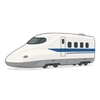
My post-war rebirth was a story of hope and hard work, and I was soon ready to show my new self to the world. A truly proud moment came in 1964 when I hosted the Summer Olympics. It was a celebration, a declaration to everyone that I was back, more vibrant and innovative than ever. That very same year, another marvel was born here: the Shinkansen, my famous bullet train, began to race across the country, shrinking distances and connecting people with incredible speed. Today, I continue to evolve. The Tokyo Skytree, a graceful spire that opened on May 22nd, 2012, now watches over my sprawling landscape. I am a global leader in technology that shapes the future, fashion that inspires creativity, and food that delights the senses. I am a city that deeply honors its past while always dreaming of tomorrow. Millions of stories unfold on my streets every single day, and I invite you to come and be a part of my next chapter.
Wow facts
About
Tokyo, originally a small fishing village named Edo, is the vibrant capital of Japan, known for its unique blend of ancient traditions and futuristic technology.
Take a Quiz
Question 1 of 5
What is the correct order of these major events in Tokyo's history?
Explore next

Want to do even more?
Go beyond exploring. Unlock tools that turn every story into real learning.

Storypie Plus for families
Full stories, quizzes, and printables. Nights and car rides, sorted.
- Unlimited audio stories
- Create Mode: your child stars in the story
- Offline downloads
- Printable worksheets & coloring pages

Why Storypie for Schools
Students engaged. Prep in seconds. Evenings back to you.
- Worksheets & Quizzes
- Classroom Management
- Formative Assessment
- Custom Curriculum & Lesson Plans
- 27 Languages

Why Storypie for Homeschool
Curriculum done. They'll ask for more. Hours back in your day.
- Worksheet Generator
- First-Person Audio Stories
- Built-in Comprehension Quizzes
- Custom Curriculum & Lesson Plans
- Print & Go Activities