English

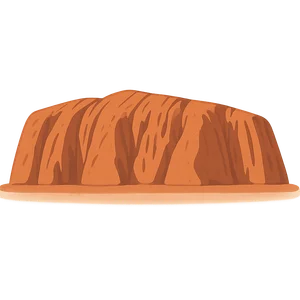
Uluru
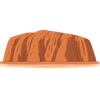
A large sandstone monolith in the southern part of the Northern Territory in Australia.
Reads at Grades 6–8 Listens at Grades 4–8
Print & create
Answer keys·No prep·Free with an account
28 worksheets · answer keys · full story · quiz · Ages 10-12 · CEFR B2
Plus adds 102,000+ more stories in 27 languages, audio for every one, and printables for all of them.
Just want Uluru?
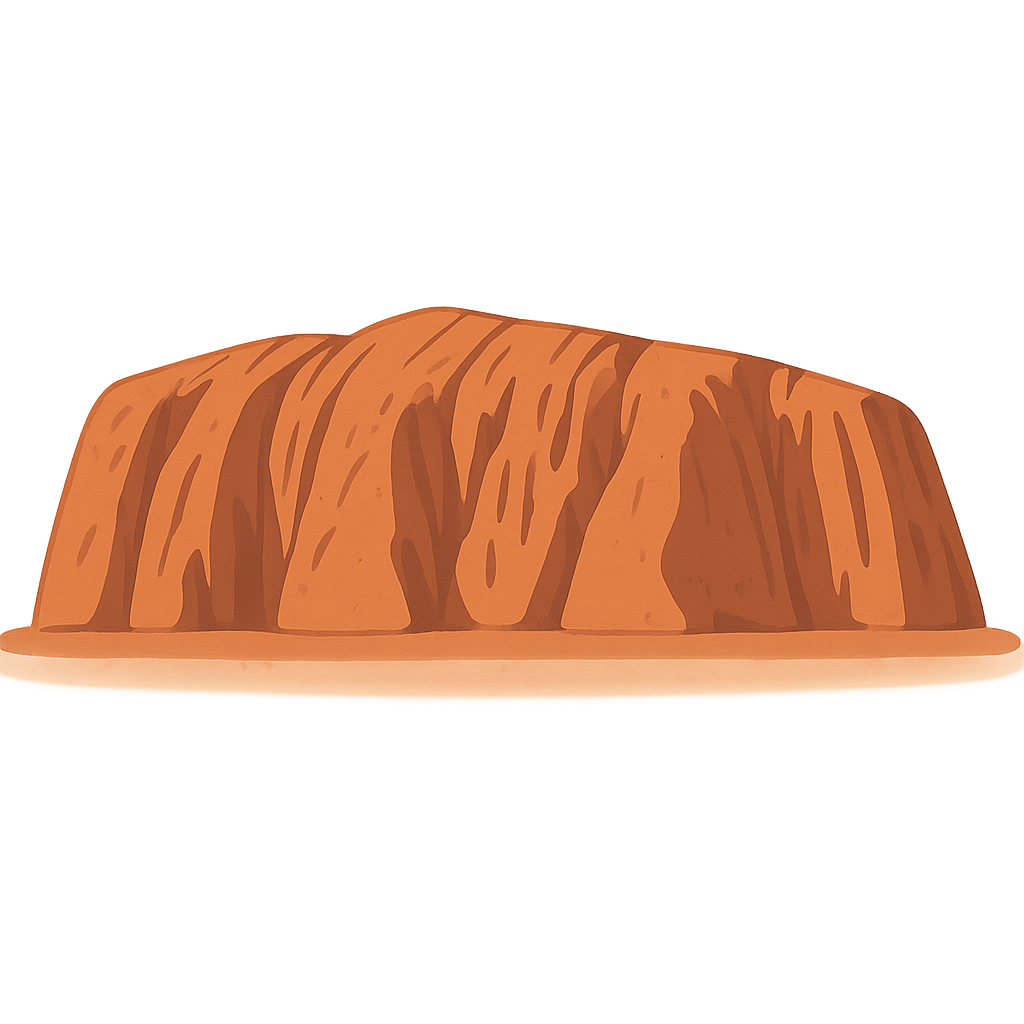
The first thing you might notice about me is the heat, a deep, radiating warmth from the red earth that surrounds me. I watch the sun journey across a vast, blue sky, and as it rises and sets, it paints my skin in a spectacular show of color. I can be a fiery orange, a soft pink, or a deep, shadowy purple, all in a single day. I am a giant sleeping in the flat desert of central Australia, a single, immense rock rising from the earth as if pushed up from its very heart. I have felt more sunrises than there are grains of sand at my feet, and I have held the stories of this land for longer than humans can count. The Anangu people, whose ancestors have known me forever, call me Uluru.
My story is written in stone because that is what I am. It began around 550 million years ago, when this dry desert was the bottom of an ancient, shallow sea. Rivers carried sand and sediment into this sea, which settled in thick layers. Over millions of years, the immense weight of the water and new layers of sediment pressed down, transforming the sand into the incredibly strong sandstone that forms my body. But I did not rise from the plains until much later. Around 400 million years ago, the earth began to move and groan. Tectonic forces, like giant hands, pushed and squeezed the land, tilting my massive slab of rock nearly ninety degrees, so that the layers of sandstone now run vertically up my sides. For eons since, the patient hands of wind and rain have acted as sculptors, smoothing my surfaces, carving the caves and hollows you see today, and shaping me into the monolith I am now.
The Story of Uluru
The first thing you might notice about me is the heat, a deep, radiating warmth from the red earth that surrounds me. I watch the sun journey across a vast, blue sky, and as it rises and sets, it paints my skin in a spectacular show of color. I can be a fiery orange, a soft pink, or a deep, shadowy purple, all in a single day. I am a giant sleeping in the flat desert of central Australia, a single, immense rock rising from the earth as if pushed up from its very heart. I have felt more sunrises than there are grains of sand at my feet, and I have held the stories of this land for longer than humans can count. The Anangu people, whose ancestors have known me forever, call me Uluru.
My story is written in stone because that is what I am. It began around 550 million years ago, when this dry desert was the bottom of an ancient, shallow sea. Rivers carried sand and sediment into this sea, which settled in thick layers. Over millions of years, the immense weight of the water and new layers of sediment pressed down, transforming the sand into the incredibly strong sandstone that forms my body. But I did not rise from the plains until much later. Around 400 million years ago, the earth began to move and groan. Tectonic forces, like giant hands, pushed and squeezed the land, tilting my massive slab of rock nearly ninety degrees, so that the layers of sandstone now run vertically up my sides. For eons since, the patient hands of wind and rain have acted as sculptors, smoothing my surfaces, carving the caves and hollows you see today, and shaping me into the monolith I am now.
While geologists see a story of rock and time, my oldest companions, the Anangu people, see a story of life and law. For at least 30,000 years, I have been the heart of their world, a physical anchor for their culture. To them, I am not just a rock. I am a living, breathing landmark, a sacred text filled with knowledge of their law and creation, which they call Tjukurpa. The Tjukurpa stories explain how the world was formed by ancestral beings, and many of those stories are recorded right here on my surface. My caves are their history books, their walls covered in rock paintings that have been layered one on top of another for thousands of years. Every crack, waterhole, and cave has a name, a purpose, and a story connected to it, providing lessons that have been passed down through countless generations of Anangu, teaching them how to live and care for this land.
For most of my existence, only the Anangu and the desert creatures knew me. But then, new people arrived. On July 19th, 1873, an explorer from Europe named William Gosse became the first of the newcomers to see me. He described me as 'the most wonderful natural feature I have ever seen' and gave me a new name: Ayers Rock, in honor of a politician from a distant city. In the decades that followed, more and more people from around the world came to gaze at my size and color. They saw me as a challenge, and a tradition began of climbing my steep, sun-baked sides. But this created a deep sadness and misunderstanding. For the Anangu, my surface is a sacred path. Climbing me was not respectful, as it went against the Tjukurpa. A time of conflict began, a struggle between two different ways of seeing and understanding me.
This difficult period eventually gave way to a new understanding, built on listening and respect. A truly wonderful day in my long history was October 26th, 1985. On that day, the Australian government officially returned ownership of me and the surrounding lands to my traditional keepers, the Anangu. It was a powerful moment, a promise kept and a recognition of the ancient connection between the people and the land. In a gesture of partnership, the Anangu leased me back to the nation so that I could be part of the Uluru-Kata Tjuta National Park, a place for all people to visit and learn. This spirit of cooperation reached another milestone on October 26th, 2019, when the climb on my back was closed forever. This decision, made by the Anangu and the park board together, honored their culture and invited people to connect with me in a new, more respectful way. Today, I am not a summit to be conquered. I am a story to be heard. I am a bridge between cultures, a symbol of resilience, and a reminder that the most important lessons are written in the land itself, waiting for those who are willing to listen.
Wow facts
About
A large sandstone monolith in the southern part of the Northern Territory in Australia. It is a sacred site to the local Aṉangu people and a UNESCO World Heritage site.
Take a Quiz
Question 1 of 5
Retell the story of Uluru's ownership in the 20th and 21st centuries, focusing on the key events and dates.
Explore next





Want to do even more?
Go beyond exploring. Unlock tools that turn every story into real learning.

Storypie Plus for families
Full stories, quizzes, and printables. Nights and car rides, sorted.
- Unlimited audio stories
- Create Mode: your child stars in the story
- Offline downloads
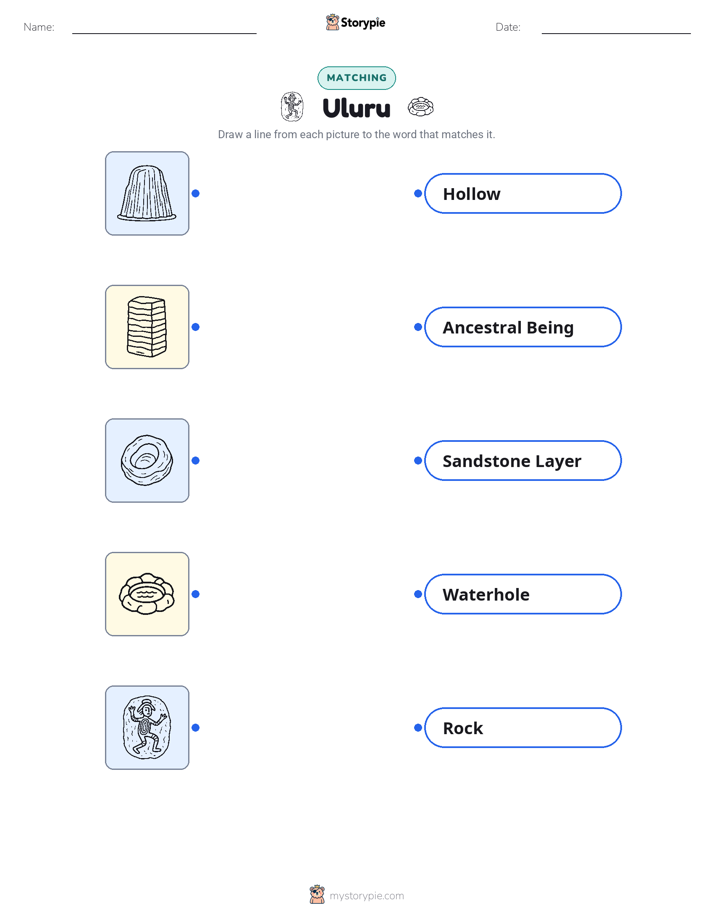
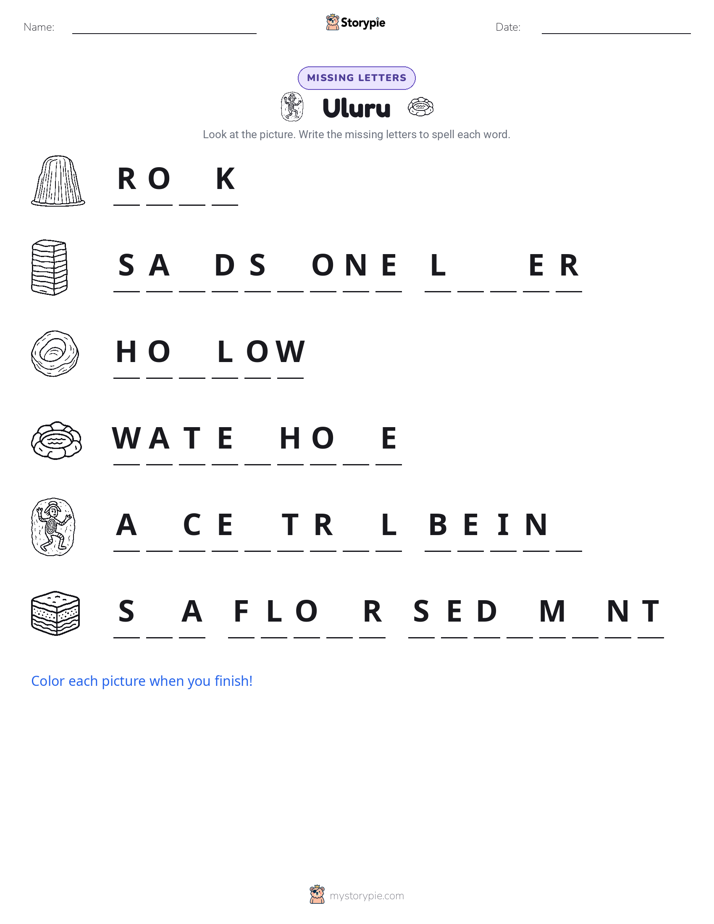
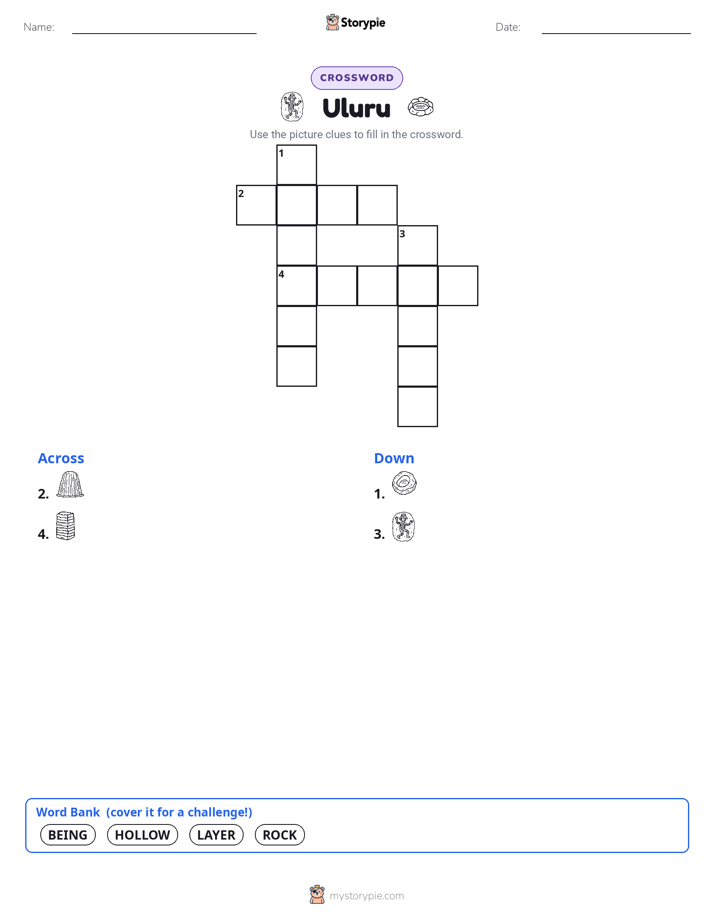
- Printable worksheets & coloring pages

Why Storypie for Schools
Students engaged. Prep in seconds. Evenings back to you.
- Worksheets & Quizzes
- Classroom Management
- Formative Assessment
- Custom Curriculum & Lesson Plans
- 27 Languages

Why Storypie for Homeschool
Curriculum done. They'll ask for more. Hours back in your day.
- Worksheet Generator
- First-Person Audio Stories
- Built-in Comprehension Quizzes
- Custom Curriculum & Lesson Plans
- Print & Go Activities