English

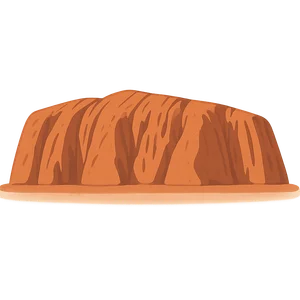
Uluru
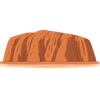
A large sandstone monolith in the southern part of the Northern Territory in Australia.
Reads at Grades K-2 Listens at K–3
Print & create
Answer keys·No prep·Free with an account
28 worksheets · answer keys · full story · quiz · Ages 6-8 · CEFR A2
Plus adds 102,000+ more stories in 27 languages, audio for every one, and printables for all of them.
Just want Uluru?
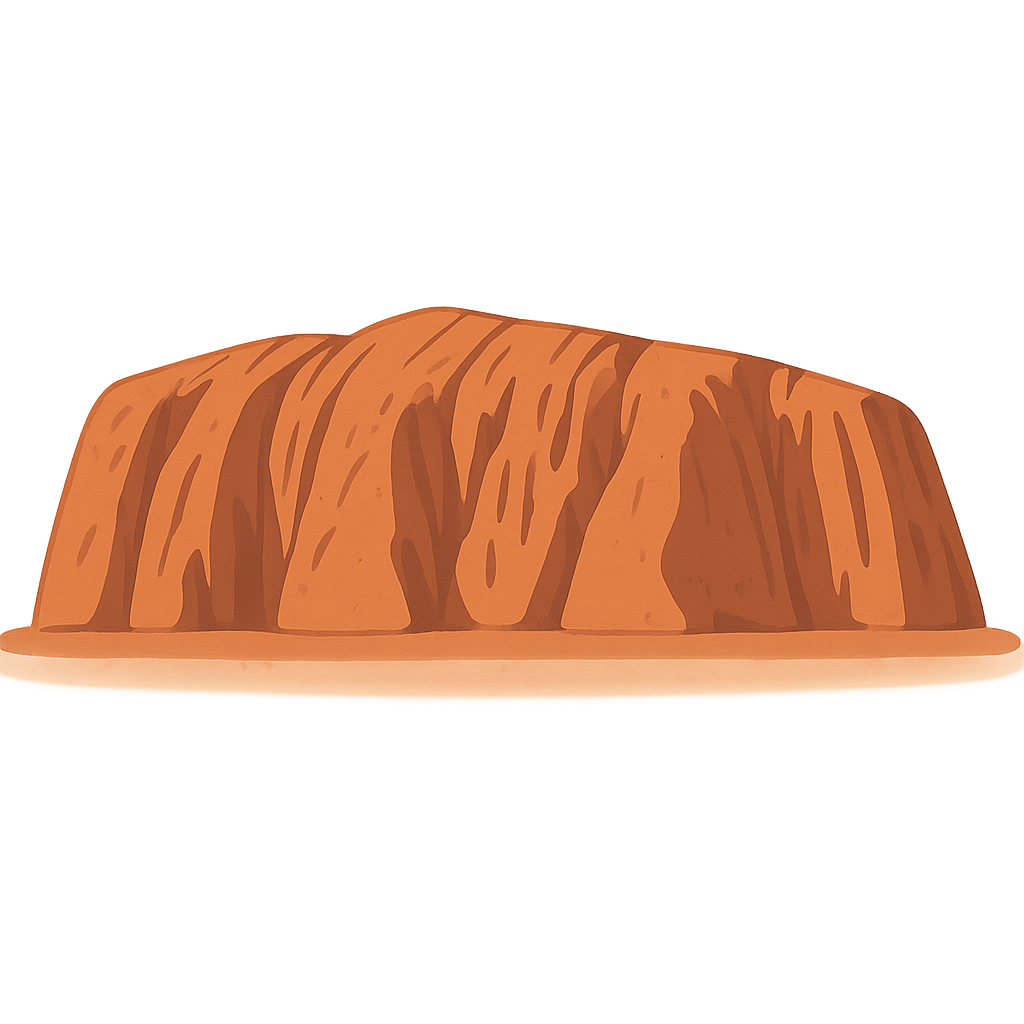
Imagine a place where the sun warms your face and the earth beneath your feet is a deep, fiery red. The sky above is bigger and bluer than you have ever seen. In the middle of this wide-open land, a giant heart of stone rises up to meet the sun. When the sun wakes up, I glow with a soft pink light. As the day grows bright, I turn a brilliant orange, and when the sun says goodbye, I dress in a deep, dreamy purple. I have watched the sun rise and set for longer than anyone can count. I am a listening, watching, sleeping giant. I am Uluru.
My story is very, very old. It began around 600 million years ago, long before there were people, or dinosaurs, or even flowers. I was not always a giant rock standing tall in the desert. I started as tiny grains of sand at the bottom of a great, ancient sea. Over millions of years, more and more sand piled on top, pressing down so hard that the sand turned into rock. Then, the earth slowly began to move. It pushed and squeezed and tilted my layers of rock until a part of me rose out of the ground. What you see today is just my tip. Most of my body is still tucked away deep underground, like a giant, stony iceberg sleeping beneath the red sand.
My very first friends have been with me for a very long time. They are the Aṉangu people, and they have lived on this land for at least 30,000 years. To them, I am not just a rock. I am a living, breathing, sacred place filled with spirit and stories. They call these important stories the Tjukurpa, which are the rules for how to live and take care of the land and each other. The Aṉangu people can read my stories in my caves, my curves, and the special waterholes at my base. To share these lessons, their ancestors painted beautiful pictures on my rock walls thousands of years ago. These paintings are like a library of ancient wisdom, showing the stories of creation and life.
The Story of Uluru, the Heart of Australia
Imagine a place where the sun warms your face and the earth beneath your feet is a deep, fiery red. The sky above is bigger and bluer than you have ever seen. In the middle of this wide-open land, a giant heart of stone rises up to meet the sun. When the sun wakes up, I glow with a soft pink light. As the day grows bright, I turn a brilliant orange, and when the sun says goodbye, I dress in a deep, dreamy purple. I have watched the sun rise and set for longer than anyone can count. I am a listening, watching, sleeping giant. I am Uluru.
My story is very, very old. It began around 600 million years ago, long before there were people, or dinosaurs, or even flowers. I was not always a giant rock standing tall in the desert. I started as tiny grains of sand at the bottom of a great, ancient sea. Over millions of years, more and more sand piled on top, pressing down so hard that the sand turned into rock. Then, the earth slowly began to move. It pushed and squeezed and tilted my layers of rock until a part of me rose out of the ground. What you see today is just my tip. Most of my body is still tucked away deep underground, like a giant, stony iceberg sleeping beneath the red sand.
My very first friends have been with me for a very long time. They are the Aṉangu people, and they have lived on this land for at least 30,000 years. To them, I am not just a rock. I am a living, breathing, sacred place filled with spirit and stories. They call these important stories the Tjukurpa, which are the rules for how to live and take care of the land and each other. The Aṉangu people can read my stories in my caves, my curves, and the special waterholes at my base. To share these lessons, their ancestors painted beautiful pictures on my rock walls thousands of years ago. These paintings are like a library of ancient wisdom, showing the stories of creation and life.
For a long, long time, it was just me and my friends, the Aṉangu people. But one day, new visitors arrived from far across the sea. On July 19th, 1873, an explorer named William Gosse saw me standing tall in the sunlight. He had never seen anything like me before. He decided to give me a new name, and he called me Ayers Rock. For many years, people called me by both names. It was a little confusing. But Uluru is my first name, my true name, the one given to me by the people who have always known my heart and listened to my stories.
One of the happiest days of my long life was October 26th, 1985. On that day, I was officially returned to my oldest friends, the Aṉangu people. They became my guardians once again, promising to protect me and share my stories with respect. Now, they work together with others to keep me safe and welcome visitors from all over the world. People come to feel my peaceful spirit and learn from the ancient culture of the Aṉangu. As a sign of respect, visitors no longer climb on my back. Instead, they walk peacefully around my base, listening to the stories I hold in the wind and in the stone. I am a bridge between the past and the present, teaching everyone the importance of listening to the land and honoring its history.
Wow facts
About
A large sandstone monolith in the southern part of the Northern Territory in Australia. It is a sacred site to the local Aṉangu people and a UNESCO World Heritage site.
Take a Quiz
Question 1 of 4
What new name was Uluru given by an explorer on July 19th, 1873?
Explore next




Want to do even more?
Go beyond exploring. Unlock tools that turn every story into real learning.

Storypie Plus for families
Full stories, quizzes, and printables. Nights and car rides, sorted.
- Unlimited audio stories
- Create Mode: your child stars in the story
- Offline downloads
- Printable worksheets & coloring pages

Why Storypie for Schools
Students engaged. Prep in seconds. Evenings back to you.
- Worksheets & Quizzes
- Classroom Management
- Formative Assessment
- Custom Curriculum & Lesson Plans
- 27 Languages

Why Storypie for Homeschool
Curriculum done. They'll ask for more. Hours back in your day.
- Worksheet Generator
- First-Person Audio Stories
- Built-in Comprehension Quizzes
- Custom Curriculum & Lesson Plans
- Print & Go Activities