English

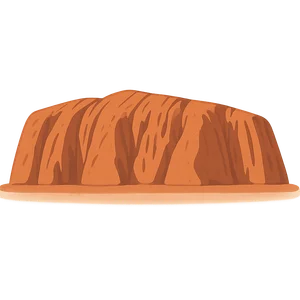
Uluru
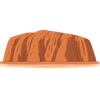
A large sandstone monolith in the southern part of the Northern Territory in Australia.
Reads at Grades 3–5 Listens at Grades 1–5
Print & create
Answer keys·No prep·Free with an account
28 worksheets · answer keys · full story · quiz · Ages 8-10 · CEFR B1
Plus adds 102,000+ more stories in 27 languages, audio for every one, and printables for all of them.
Just want Uluru?
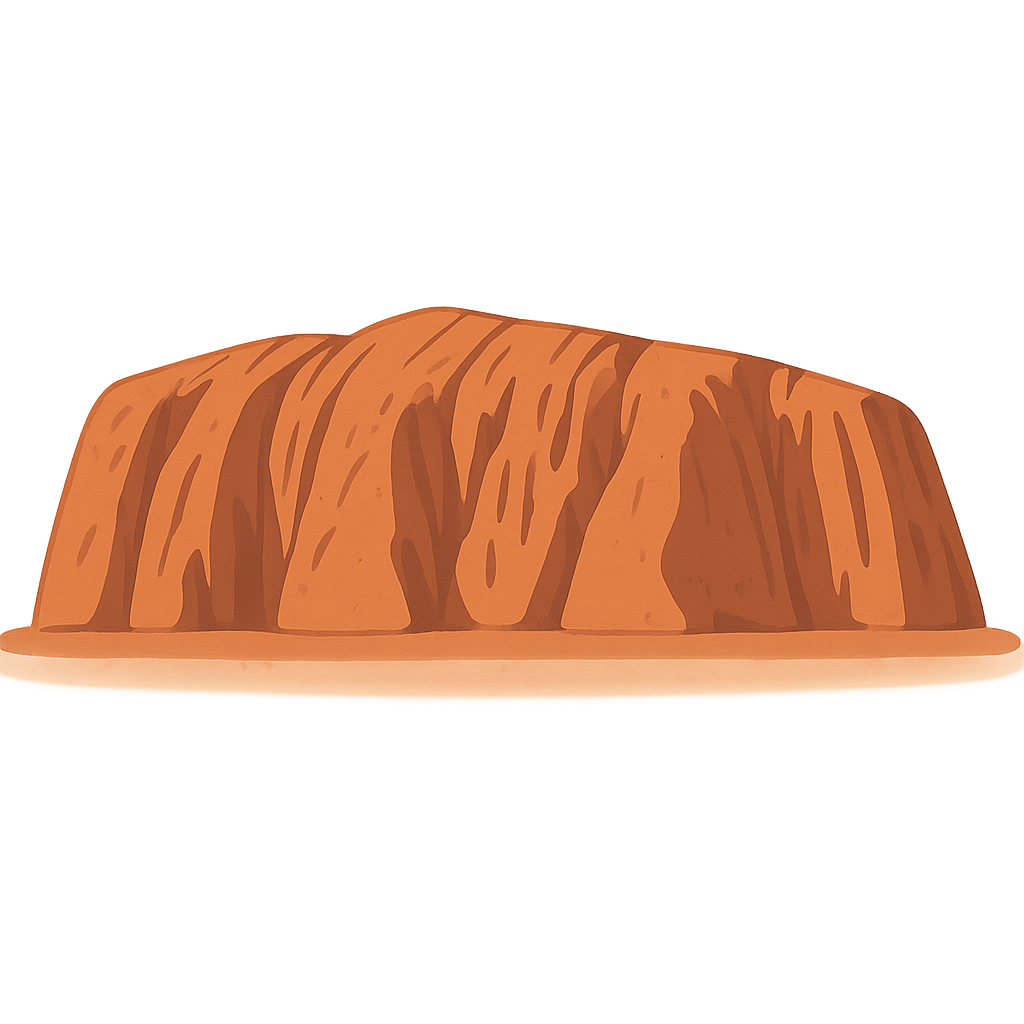
In the middle of Australia, where the earth is flat and red under a giant blue sky, I wait. I feel the sun bake my rocky skin all day and watch the stars glitter in the cool night. As the sun rises, I glow a fiery orange, waking up with the world. When it sets, I turn a deep, thoughtful purple, ready for sleep. For thousands upon thousands of years, I have stood here, a giant stone heart in the desert. I am so big that it takes hours to walk all the way around me. My sides are carved with caves and crevices, and in the cool shade of these places, ancient stories are painted on my walls. They are secrets whispered by the wind and memories held in stone. Many people have called me by different names, but my first and truest name is Uluru.
My story began long, long before any people walked the earth, around 550 million years ago. I wasn't always a single, giant rock standing alone. I was once part of a huge mountain range, taller than any you see today, buried deep under an ancient sea. Over millions of years, the sea dried up, and the powerful wind and rain became my sculptors. They patiently wore away all the softer rocks around me, washing them away as sand. They couldn't wear me away because I am made of a very hard sandstone called arkose. What you see of me today is just my tip, like the top of a giant tooth buried deep in the earth. My beautiful red color comes from the iron inside my stone. Just like a bicycle left in the rain gets rusty, the iron inside me has slowly rusted over millions of years, giving me my warm, red coat.
Uluru's Ancient Heart
In the middle of Australia, where the earth is flat and red under a giant blue sky, I wait. I feel the sun bake my rocky skin all day and watch the stars glitter in the cool night. As the sun rises, I glow a fiery orange, waking up with the world. When it sets, I turn a deep, thoughtful purple, ready for sleep. For thousands upon thousands of years, I have stood here, a giant stone heart in the desert. I am so big that it takes hours to walk all the way around me. My sides are carved with caves and crevices, and in the cool shade of these places, ancient stories are painted on my walls. They are secrets whispered by the wind and memories held in stone. Many people have called me by different names, but my first and truest name is Uluru.
My story began long, long before any people walked the earth, around 550 million years ago. I wasn't always a single, giant rock standing alone. I was once part of a huge mountain range, taller than any you see today, buried deep under an ancient sea. Over millions of years, the sea dried up, and the powerful wind and rain became my sculptors. They patiently wore away all the softer rocks around me, washing them away as sand. They couldn't wear me away because I am made of a very hard sandstone called arkose. What you see of me today is just my tip, like the top of a giant tooth buried deep in the earth. My beautiful red color comes from the iron inside my stone. Just like a bicycle left in the rain gets rusty, the iron inside me has slowly rusted over millions of years, giving me my warm, red coat.
For at least 30,000 years, I have not been alone. My first people, the Aṉangu, have lived here, and I am the heart of their home and their beliefs. For them, I am not just a rock; I am a living, sacred place, central to their Tjukurpa, which is their law and their stories of creation. Every part of my body tells a story. They see the journeys of their ancestors in my curves and cracks. The waterholes at my base, which give life to birds and animals in the dry desert, are sacred places in these stories. Thousands of years ago, their ancestors painted these stories on my cave walls. Using colors made from the earth itself, they created beautiful art to teach their children, to remember their history, and to honor the spirits of the land. I hold these precious paintings safely inside me.
Then, one day, new people with different ideas and languages arrived in my desert home. On July 19th, 1873, an explorer named William Gosse saw me from a distance. He was the first European person to see me, and he gave me a new name: Ayers Rock, after a politician who lived far away. This new name brought new kinds of visitors. Soon, people from all over the world traveled to see the giant red rock in the middle of Australia. They saw my size and my amazing colors, but many did not understand my spirit. They started to climb my steep sides, following a path with a chain. They didn't know that they were walking on a sacred path, a place deeply important to the Aṉangu people’s stories and culture.
But stories can change for the better, and people can learn to listen. A very important day in my history was October 26th, 1985. On that day, the government of Australia officially gave the land I stand on back to my traditional owners, the Aṉangu people. Now, we all work together. The Aṉangu share their ancient wisdom to protect me and the land, and park rangers help manage the park so visitors can learn about me respectfully. Another special day came on October 26th, 2019. On that day, the climb on my back was closed forever. It was a powerful sign of respect for the Aṉangu culture and for me. Today, I stand as a bridge, connecting ancient traditions with the modern world. I am not a playground to be conquered, but a teacher. I remind everyone who visits to listen quietly, to respect the land, and to hear the ancient stories that I will hold forever in my giant stone heart.
Wow facts
About
A large sandstone monolith in the southern part of the Northern Territory in Australia. It is a sacred site to the local Aṉangu people and a UNESCO World Heritage site.
Take a Quiz
Question 1 of 5
On what date was Uluru's land title officially returned to the Aṉangu people?
Explore next



Want to do even more?
Go beyond exploring. Unlock tools that turn every story into real learning.

Storypie Plus for families
Full stories, quizzes, and printables. Nights and car rides, sorted.
- Unlimited audio stories
- Create Mode: your child stars in the story
- Offline downloads
- Printable worksheets & coloring pages

Why Storypie for Schools
Students engaged. Prep in seconds. Evenings back to you.
- Worksheets & Quizzes
- Classroom Management
- Formative Assessment
- Custom Curriculum & Lesson Plans
- 27 Languages

Why Storypie for Homeschool
Curriculum done. They'll ask for more. Hours back in your day.
- Worksheet Generator
- First-Person Audio Stories
- Built-in Comprehension Quizzes
- Custom Curriculum & Lesson Plans
- Print & Go Activities