English

Using The Toilet
A fundamental wellness practice involving the safe and hygienic elimination of bodily waste (urine and feces)…
Reads at Grades 6–8 Listens at Grades 4–8
Print & create
Answer keys·No prep·Free with an account
28 worksheets · answer keys · full story · quiz · Ages 10-12 · CEFR B2
Plus adds 280,000+ more stories in 27 languages, audio for every one, and printables for all of them.
Just want Using The Toilet?
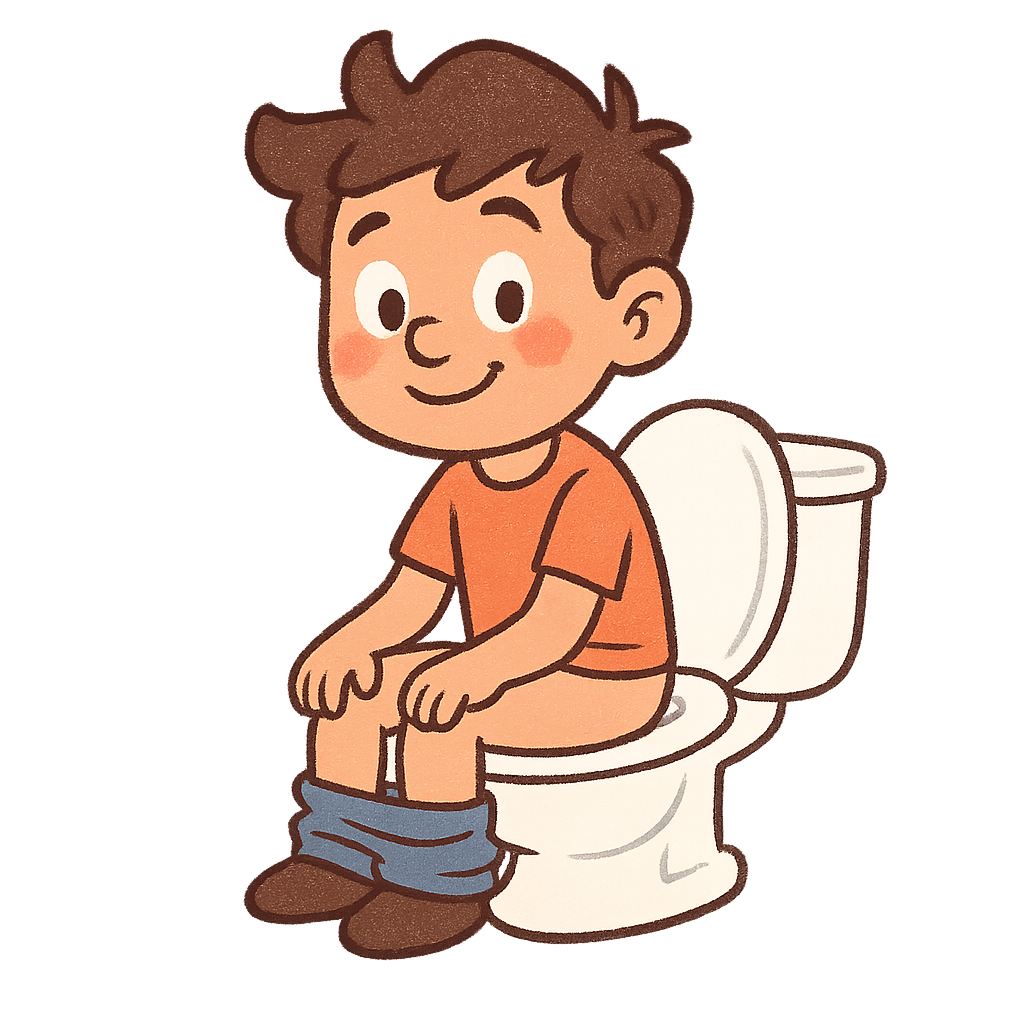
Understanding and responding to your body's signals is a fundamental part of staying healthy. Your body has an intelligent system for managing the food and drinks you consume. The bladder holds liquid waste, while the bowels manage solid waste. When either is full, nerves send a message to your brain, creating the feeling that you need to use the toilet. This is a completely normal and healthy signal that your digestive system is working correctly. It is important to listen to these cues. Ignoring them and 'holding it in' for long periods can be unhealthy. It puts unnecessary pressure on your bladder and bowel muscles, which can weaken them over time. Regularly delaying can lead to health issues such as constipation, which makes it difficult to pass solid waste, or urinary tract infections (UTIs), which are painful infections in your urinary system. Recognizing and acting on these signals is a key practice for maintaining your body’s internal health.
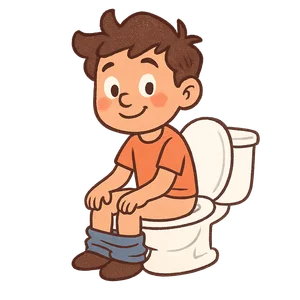
Following a consistent and hygienic routine when using the toilet is crucial for preventing the spread of germs and staying well. The process begins with sitting properly on the toilet and allowing your body to relax. Straining or pushing too hard can be harmful, so it's best to be patient and let your muscles work naturally. After you are finished, the correct wiping technique is to wipe from front to back. This is especially important because it prevents bacteria from the bowels from being moved to the urinary tract, which could cause an infection. Before you stand up, close the toilet lid and then flush. Flushing with the lid down helps to contain the aerosol plume, which is a fine mist of water droplets containing germs that can spray into the air and land on surfaces in the bathroom. The final and most critical step is thorough handwashing. Using soap and warm water, scrub all surfaces of your hands for at least 20 seconds. This simple action effectively removes harmful bacteria and viruses you may have come into contact with, protecting both you and others from getting sick.
A Guide to Healthy Toilet Habits
Understanding and responding to your body's signals is a fundamental part of staying healthy. Your body has an intelligent system for managing the food and drinks you consume. The bladder holds liquid waste, while the bowels manage solid waste. When either is full, nerves send a message to your brain, creating the feeling that you need to use the toilet. This is a completely normal and healthy signal that your digestive system is working correctly. It is important to listen to these cues. Ignoring them and 'holding it in' for long periods can be unhealthy. It puts unnecessary pressure on your bladder and bowel muscles, which can weaken them over time. Regularly delaying can lead to health issues such as constipation, which makes it difficult to pass solid waste, or urinary tract infections (UTIs), which are painful infections in your urinary system. Recognizing and acting on these signals is a key practice for maintaining your body’s internal health.
Following a consistent and hygienic routine when using the toilet is crucial for preventing the spread of germs and staying well. The process begins with sitting properly on the toilet and allowing your body to relax. Straining or pushing too hard can be harmful, so it's best to be patient and let your muscles work naturally. After you are finished, the correct wiping technique is to wipe from front to back. This is especially important because it prevents bacteria from the bowels from being moved to the urinary tract, which could cause an infection. Before you stand up, close the toilet lid and then flush. Flushing with the lid down helps to contain the aerosol plume, which is a fine mist of water droplets containing germs that can spray into the air and land on surfaces in the bathroom. The final and most critical step is thorough handwashing. Using soap and warm water, scrub all surfaces of your hands for at least 20 seconds. This simple action effectively removes harmful bacteria and viruses you may have come into contact with, protecting both you and others from getting sick.
These daily toilet habits are not just about cleanliness; they are a powerful tool for protecting your long-term health and well-being. Consistently following these steps, from responding to your body's signals to washing your hands properly, helps prevent common illnesses and infections. By minimizing your exposure to harmful germs, you reduce the burden on your immune system, allowing it to work more effectively to protect you from other sicknesses. Mastering this simple routine is an act of self-care that empowers you to take control of your personal health. It helps you stay clean, feel comfortable in your body, and move through your day with confidence, knowing you are making smart choices for a healthy life. This concept has been important for many years, as understanding hygiene is key to community health.
Wow facts
About
A fundamental wellness practice involving the safe and hygienic elimination of bodily waste (urine and feces) to maintain personal health and prevent the spread of disease.
Take a Quiz
Question 1 of 5
Based on the text, what is the main reason to flush the toilet with the lid down?
Explore next





Want to do even more?
Go beyond exploring. Unlock tools that turn every story into real learning.

Storypie Plus for families
Full stories, quizzes, and printables. Nights and car rides, sorted.
- Unlimited audio stories
- Create Mode: your child stars in the story
- Offline downloads
- Printable worksheets & coloring pages

Why Storypie for Schools
Students engaged. Prep in seconds. Evenings back to you.
- Worksheets & Quizzes
- Classroom Management
- Formative Assessment
- Custom Curriculum & Lesson Plans
- 27 Languages

Why Storypie for Homeschool
Curriculum done. They'll ask for more. Hours back in your day.
- Worksheet Generator
- First-Person Audio Stories
- Built-in Comprehension Quizzes
- Custom Curriculum & Lesson Plans
- Print & Go Activities