Nederlands

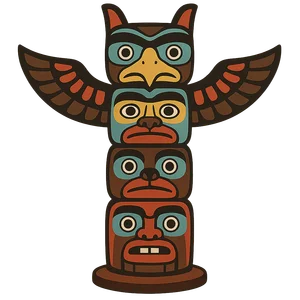
Totempaal
Een monumentale sculptuur…
Leest op Groepen 6–8 Luistert op Groepen 4–8
Afdrukken & creëren
Antwoordsleutels·Geen voorbereiding·Gratis met een account
27 werkbladen · antwoordsleutels · volledige verhaal · quiz · Leeftijden 10-12 · CEFR B2
Plus voegt 164,000+ extra verhalen toe in 27 talen, audio voor elk verhaal, en printbare materialen voor allemaal.
Wil je alleen Totempaal?
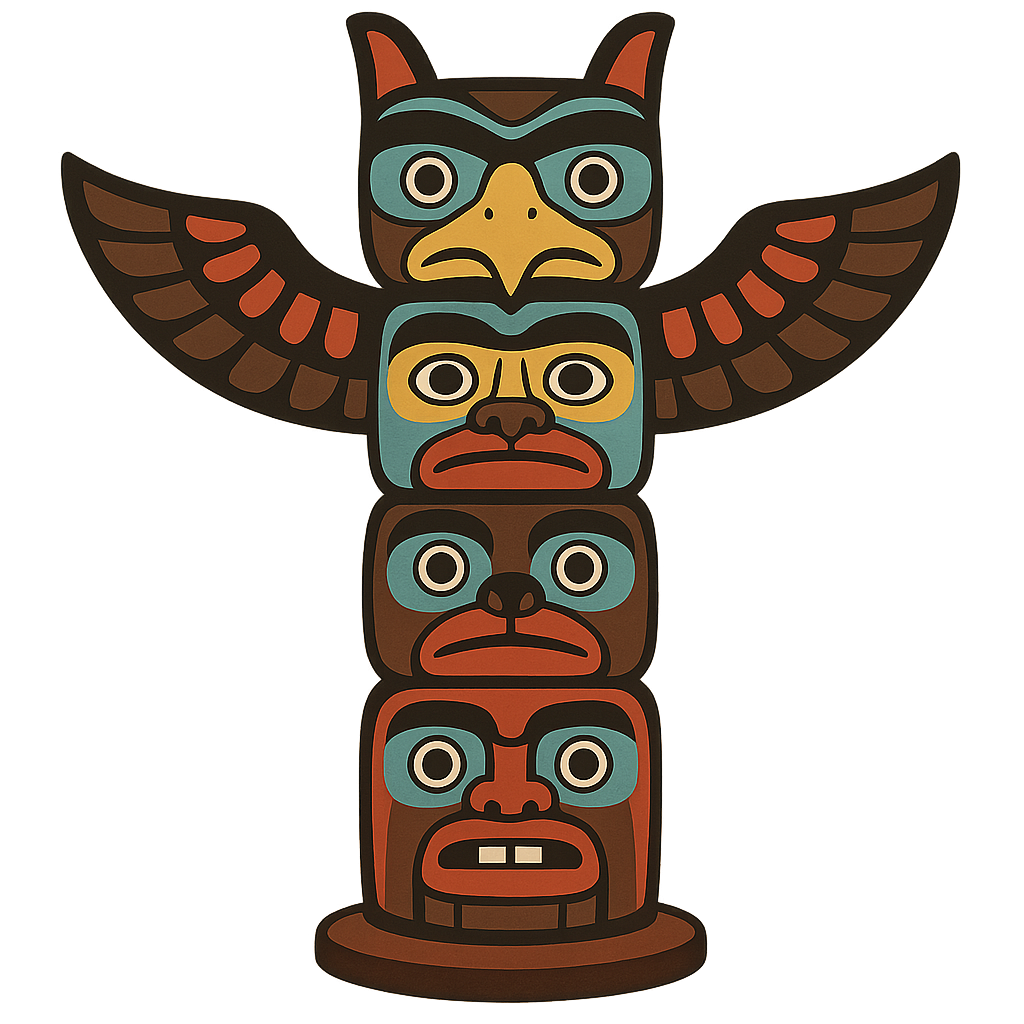
For centuries, I stood in the misty, ancient rainforest of the Pacific Northwest Coast. I was a giant, a red cedar tree whose highest branches touched the clouds. I felt the endless rain on my bark, a constant drumming that was the heartbeat of the forest. I listened to the call of eagles and the rustle of bears in the undergrowth. My roots ran deep, connecting me to generations of life and seasons of change. Then, one day, I sensed a new presence. People arrived, moving through the forest not with haste, but with a deep sense of purpose. They walked among my brothers, their hands brushing against our bark, their voices low and respectful. They chose me. Before the first tool touched me, they spoke to my spirit, thanking me for my life and explaining the great purpose I was destined to fulfill. The careful, ceremonial work of felling me began, and as I lay on the forest floor, I knew my life as a quiet giant was over. I was not just wood; I was becoming a vessel for memory. I am a Totem Pole, a story carved in cedar, ready to be told.
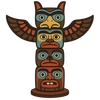
My journey from a log to a storyteller was long and transformative, guided by the patient hands of a master carver and his apprentices. For months, I lay near the village, the salty air mixing with the scent of my own cedar shavings. The carvers’ tools became an extension of their vision. They used traditional adzes and curved knives, but these were now made of sharp metal, acquired through trade since the 18th century. This newer, stronger material allowed for deeper cuts and more intricate designs than the stone, bone, or shell tools of their ancestors. Slowly, figures began to wake up on my surface, emerging from the wood that had once been my plain bark. A Thunderbird with wings so vast they could block out the sun appeared at my crown. Below it, the clever trickster Raven, who brought light to the world, took shape. A powerful Bear, a symbol of family strength and wisdom, emerged, followed by a watchful Wolf, representing loyalty and community. The carver explained to his apprentices that these were not just beautiful pictures; they were crests, the sacred symbols of a specific clan’s history, legends, rights, and identity. Each figure told a part of their story. Finally, I was brought to vibrant life with color. The carvers painted me with bold pigments made from charcoal for black, red ochre for a deep crimson, and crushed clamshells mixed with salmon eggs for a brilliant white.
The Whispering Giant
For centuries, I stood in the misty, ancient rainforest of the Pacific Northwest Coast. I was a giant, a red cedar tree whose highest branches touched the clouds. I felt the endless rain on my bark, a constant drumming that was the heartbeat of the forest. I listened to the call of eagles and the rustle of bears in the undergrowth. My roots ran deep, connecting me to generations of life and seasons of change. Then, one day, I sensed a new presence. People arrived, moving through the forest not with haste, but with a deep sense of purpose. They walked among my brothers, their hands brushing against our bark, their voices low and respectful. They chose me. Before the first tool touched me, they spoke to my spirit, thanking me for my life and explaining the great purpose I was destined to fulfill. The careful, ceremonial work of felling me began, and as I lay on the forest floor, I knew my life as a quiet giant was over. I was not just wood; I was becoming a vessel for memory. I am a Totem Pole, a story carved in cedar, ready to be told.
My journey from a log to a storyteller was long and transformative, guided by the patient hands of a master carver and his apprentices. For months, I lay near the village, the salty air mixing with the scent of my own cedar shavings. The carvers’ tools became an extension of their vision. They used traditional adzes and curved knives, but these were now made of sharp metal, acquired through trade since the 18th century. This newer, stronger material allowed for deeper cuts and more intricate designs than the stone, bone, or shell tools of their ancestors. Slowly, figures began to wake up on my surface, emerging from the wood that had once been my plain bark. A Thunderbird with wings so vast they could block out the sun appeared at my crown. Below it, the clever trickster Raven, who brought light to the world, took shape. A powerful Bear, a symbol of family strength and wisdom, emerged, followed by a watchful Wolf, representing loyalty and community. The carver explained to his apprentices that these were not just beautiful pictures; they were crests, the sacred symbols of a specific clan’s history, legends, rights, and identity. Each figure told a part of their story. Finally, I was brought to vibrant life with color. The carvers painted me with bold pigments made from charcoal for black, red ochre for a deep crimson, and crushed clamshells mixed with salmon eggs for a brilliant white.
I was created to be seen, to stand tall and declare to the world who a family is, where they come from, and what stories they hold sacred. My most important day was the day of the potlatch, the great ceremony when I would finally be raised. The entire village, and guests from neighboring nations, gathered for days of celebration. The air was filled with the rhythm of drums, the sound of powerful singing, and the energy of ceremonial dances that had been passed down for generations. The host family demonstrated their wealth, status, and generosity by giving away many valuable gifts to every one of their guests—blankets, carvings, canoes, and more. This act of giving was central to their laws and their honor. Then came my moment. Dozens of strong people gripped thick ropes woven from cedar bark, and with a great, coordinated effort, they began to heave me upright. As I rose toward the sky, an elder or chief stood before the crowd. Pointing to each crest carved into my body, he recounted the ancient stories, publicly validating the host family's lineage, rights to their lands, and the histories that I now embodied. In that moment, I was a history book for those who read stories in images, a legal document confirming rights and titles, and a grand monument to a family's legacy, all in one.
But there came a time of silence. The world was changing, and the ways of my people were threatened. In 1884, the Canadian government, not understanding our traditions, passed a law banning the potlatch ceremony. They saw the great giving of gifts as wasteful and counterproductive to their goals. For many decades, the songs were sung in secret, the ceremonies were hidden, and fewer of my kind were raised to watch over the villages. Our stories, however, were never forgotten; they were held tightly in the hearts of the elders and passed down quietly to the next generation. Then, hope returned. On January 1st, 1951, the ban was finally lifted. A cultural rebirth began, led by a new generation of brilliant carvers like Mungo Martin and Bill Reid, who studied the work of their ancestors and dedicated their lives to bringing the tradition back to life. Today, my brothers and sisters stand tall and proud once more. You can find us not only in our ancestral villages along the coast, but also in public places and museums around the world, from Stanley Park in Vancouver to the Smithsonian in Washington, D.C. We are not silent relics of a forgotten past. We are a proud, living symbol of cultural resilience and a vibrant reminder that every family, every person, has a story worth telling, honoring, and preserving for the future.
Wauw feiten
Over
Een monumentale sculptuur, gesneden uit een grote boom door inheemse volkeren van de Pacifische Noordwestkust van Noord-Amerika. Totempalen communiceren en herdenken familielijnen, geschiedenis, verhalen en rechten.
Doe een quiz
Vraag 1 van 5
In your own words, describe the totem pole's journey from being a tree in the forest to being raised in the village ceremony.
Verken volgende





Wil je nog meer doen?
Ga verder dan verkennen. Ontgrendel tools die elk verhaal omtoveren tot echte leerervaringen.

Storypie Plus voor gezinnen
Volledige verhalen, quizzen en printbare materialen. Avonden en autoritten, geregeld.
- Onbeperkte audioverhalen
- Creëer Modus: jouw kind is de ster in het verhaal
- Offline downloads
- Printbare werkbladen & kleurplaten

Waarom Storypie voor scholen
Leerlingen betrokken. Voorbereiding in seconden. Avonden weer voor jou.
- Werkbladen & Quizzen
- Klasbeheer
- Formatieve Evaluatie
- Aangepast Curriculum & Lesplannen
- 27 Talen

Waarom Storypie voor Thuisonderwijs
Curriculum voltooid. Ze zullen om meer vragen. Uren terug in uw dag.
- Werkbladgenerator
- Eerste Persoon Audioverhalen
- Ingebouwde Begripsquizzen
- Aangepast Curriculum & Lesplannen
- Print & Ga Activiteiten