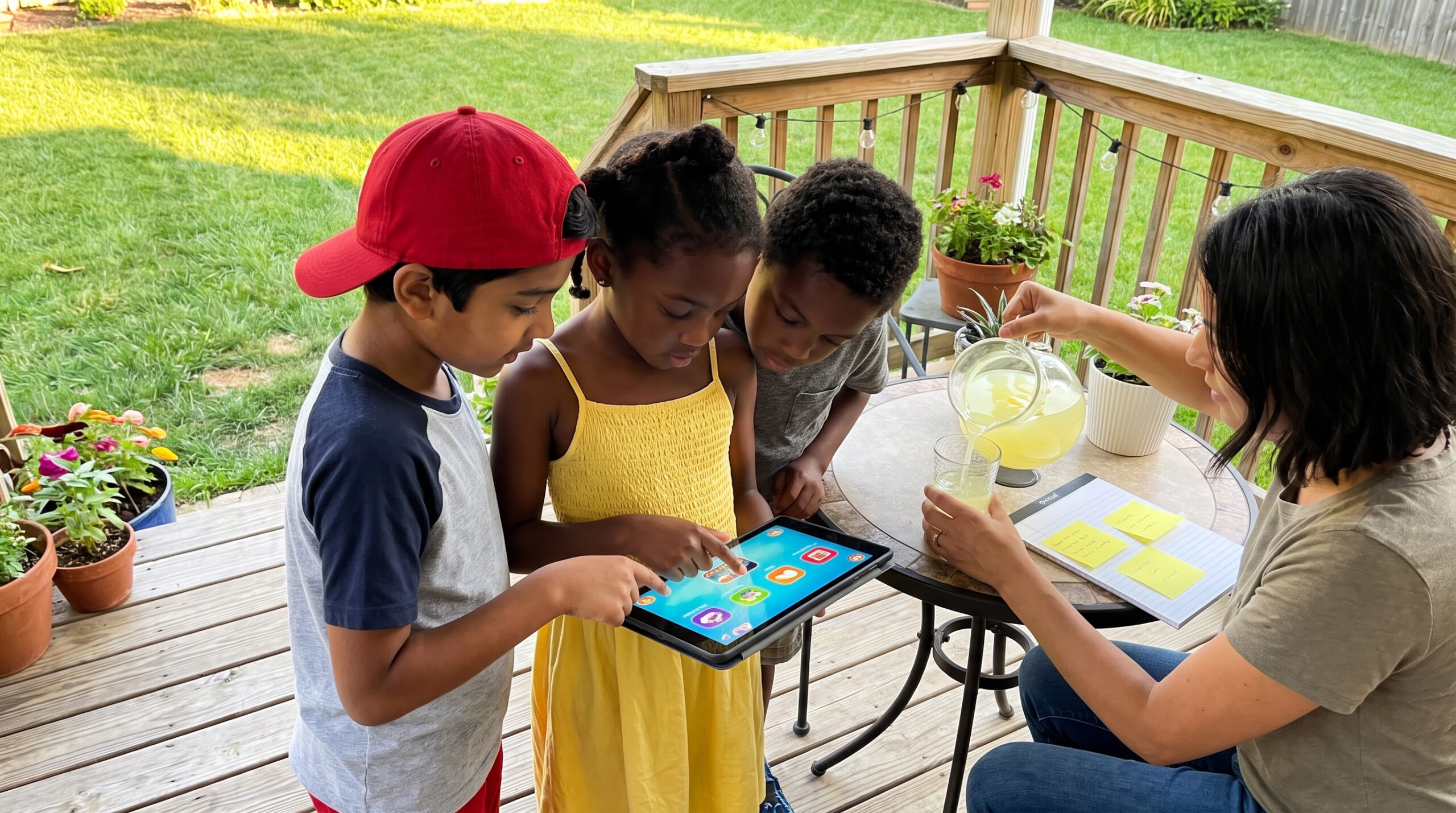
Ask a Story submissions invite one tiny idea from a child each week. Parents and teachers can send a single line. The rhythm is simple, playful, and clear.
How Ask a Story submissions work
First, each week Storypie opens a short submission window. Next, kids name one topic in a single line. Then editors choose a few entries to feature as stories the following week.
Weekly rhythm and result
The rhythm is a deadline, a chosen topic, and a published story. In addition, the selected idea becomes a short, voice-led story in the Storypie app. Children can listen, follow the text, and enjoy narration with images. This approach aligns with the trend where 46% of U.S. children ages 6–12 have listened to a podcast, highlighting their growing interest in audio storytelling.
Why Ask a Story submissions matter
Choice boosts creativity. When kids pick, they practice decision making. Also, they see their idea make a real difference. That feeling of ownership motivates further curiosity and language growth. In fact, a significant 74% of children agreed that reading fiction and nonfiction helps them understand the world, indicating the importance of storytelling in their development.
Who submits and how
Parents usually submit for younger children. Also, older children may send ideas themselves. Submissions accept short text lines, voice notes, or brief audio clips. In addition, Storypie supports multiple languages and nonverbal submissions. This inclusivity is crucial as approximately 40% of children aged 6–17 reported having difficulty finding books they like, emphasizing the need for initiatives like Ask a Story.
Safety, moderation, and privacy
Storypie reviews every entry for age appropriateness. Personal details are removed before a story is published. In addition, moderators keep the program safe and playful.
Parents confirm permissions and privacy choices. Storypie follows relevant rules for child data in each region. If you have privacy questions, consult the app settings or contact support.
How stories are made
After selection, an editor shapes each chosen topic into a short story. They set voice, pick characters, and choose cozy length. Then the story is generated with narration and artwork in the app.
Inclusion and accessibility
Ask a Story welcomes many ways to contribute. For example, children can submit written prompts, voice notes, or sounds. Also, the program accepts several languages so more families can join. Notably, in 2023, 40% of children wanted books that allow them to explore places and worlds they have never been, reflecting a strong interest in imaginative storytelling.
Submission checklist and templates
Here is a quick checklist parents can use when submitting ideas.
- Start with the child. Let them name the topic in one short line.
- Add one sentence if more context helps.
- Remove personal details like full names, addresses, or schools.
- Include a contact email for follow up.
- Submit before the weekly deadline.
Two simple templates that reflect typical Ask a Story submissions:
- Lily wants a story about a moon bakery. Why: she loves baking at night.
- My child picks pirates who are allergic to water. Short note: for a silly twist.
Parental role and permissions
Parents submit on behalf of younger children. They also confirm permission and privacy settings. Storypie removes identifying details during moderation. This process keeps stories playful and safe.
Ready to send an idea?
I love hearing tiny, brilliant ideas. Send a short line and watch a child steer a story. To submit, visit the app page at Get the Storypie app. Thank you for sharing your child’s imagination. Importantly, in 2023, 52% of children expressed a desire for books that make them laugh, marking a growing importance of humor in children’s literature, which is relevant to the Ask a Story initiative.