Welcome to jazz music for kids
Jazz music for kids opens a bright, bouncy world of sound. It teaches rhythm, listening, and cultural history with joy. Keep explanations simple. Say that players often make music up as they go. That improvisation is the fun, magical part.
What is jazz music?
Jazz began in New Orleans around 1900. It grew from African rhythms, spirituals, blues, ragtime, and brass bands. Jazz mixes syncopation, swing, blue notes, and call and response. Early jazz rode riverboats and marched in parades. Later it filled Harlem clubs and big ballrooms. That story mixes music and social history.
Sounds and instruments to point out
Point out one instrument at a time. Trumpet, trombone, saxophone, and clarinet often carry the tune. Piano and guitar give harmony. Double bass keeps the pulse. Drums add texture. You may also hear vibraphone or banjo in older recordings. Ask a child to listen for a chosen instrument for one minute. Then celebrate when they find it.
Big moments and friendly names
Introduce one artist at a time. For example, Louis Armstrong opened a joyful door with his trumpet. Duke Ellington led elegant bands. Ella Fitzgerald sang with playful swings. Charlie Parker and Miles Davis changed how players improvise. Use short sentences and a little wonder. A single sentence about an artist is enough for young ears.
Quick listening rituals
Try a 60 second listening ritual. Sit quietly and press play. Ask your child to close their eyes for ten seconds. Then open and name one sound they liked. Repeat twice. Small, repeated rituals build attention and calm.
A three step listening game
- Listen for the beat and clap.
- Name a horn or drum you heard.
- Move one way for loud, the other for soft.
Keep each round under three minutes. Short, playful rounds work best.
Tiny craft and call and response
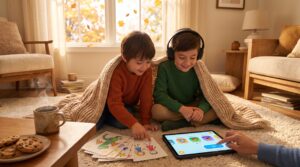
Make an instrument card basket. Write trumpet, piano, and drum on small cards. Pull one card each time you listen. Place the matching card in the basket when you hear it. Little rituals make listening playful and predictable.
Explain improvisation as making music up in the moment. Try a quick call and response. You play a short rhythm. Ask your child to reply with their own simple rhythm. Celebrate every attempt. That teaches risk taking and listening.
Safety and live shows
Keep volume moderate and tracks short for young ears. For daytime live shows pack snacks, earplugs, and a familiar toy. Bring a quiet corner and a 15 minute exit plan. Those steps help everyone enjoy the set.
Why jazz music matters
Jazz grew from African American communities and became a global language. It influenced blues, rock, hip hop, and pop. Teaching jazz music for kids shares history, creativity, and respect for culture. It builds listening and openness. In fact, the popularity of jazz music events is on the rise, with 58,524 total events added in 2025, averaging 161 events uploaded per day. This shows a significant year-over-year growth from previous years, highlighting its current cultural impact.
Our Storypie pick
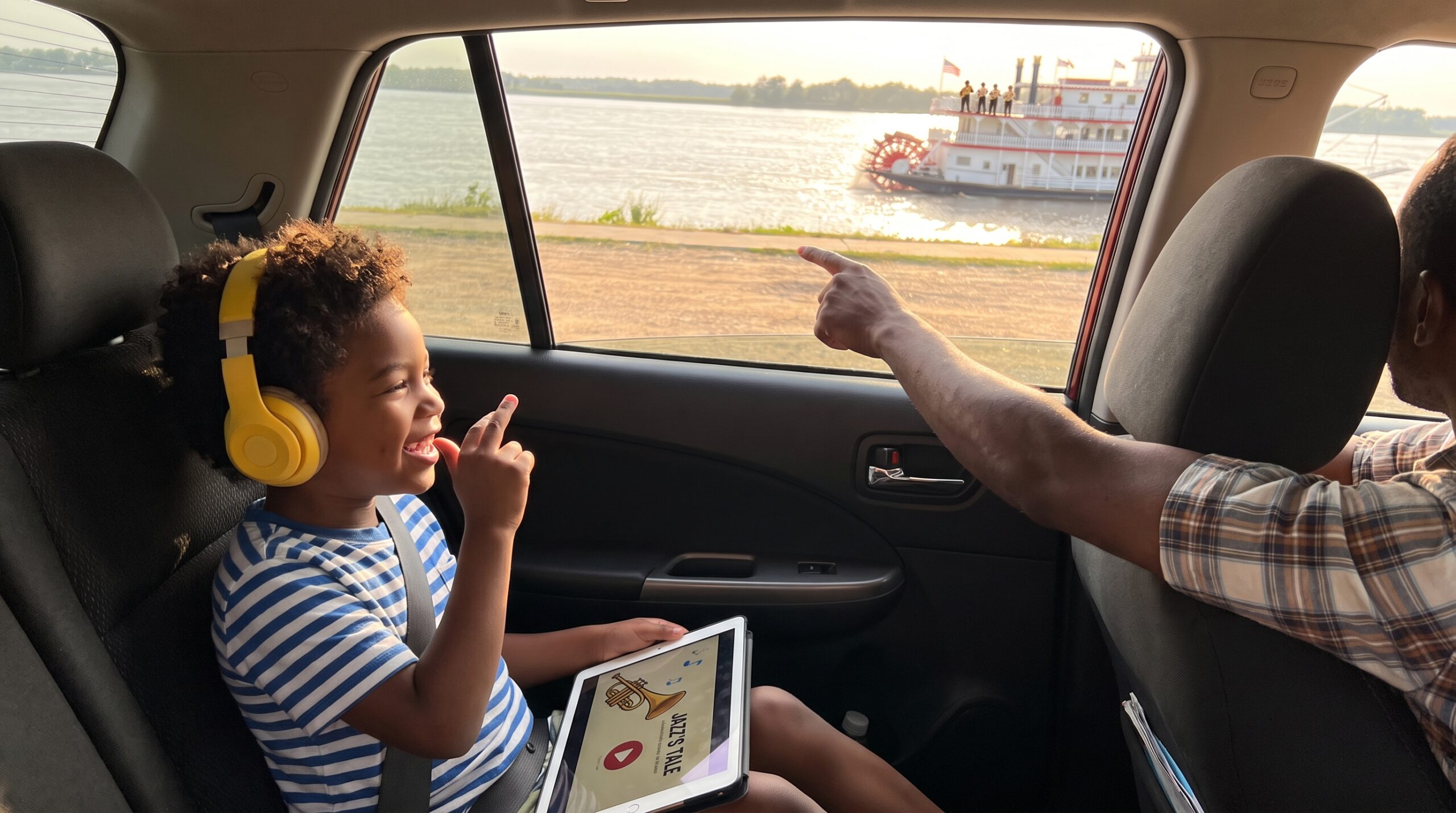
Jazz’s tale began in New Orleans and rode the Mississippi to spark the Jazz Age. Play it on a relaxed drive. Ask your child to name one sound they liked. It builds listening skills and joyful moments.
Read or listen to a story about Jazz Music now: Read or listen to a story about Jazz Music now: For 3-5 year olds, For 6-8 year olds, For 8-10 year olds, and For 10-12 year olds.
Want more kid-friendly audio stories? Visit Storypie for gentle, high-quality listening experiences.