Kindness rituals for kids start small
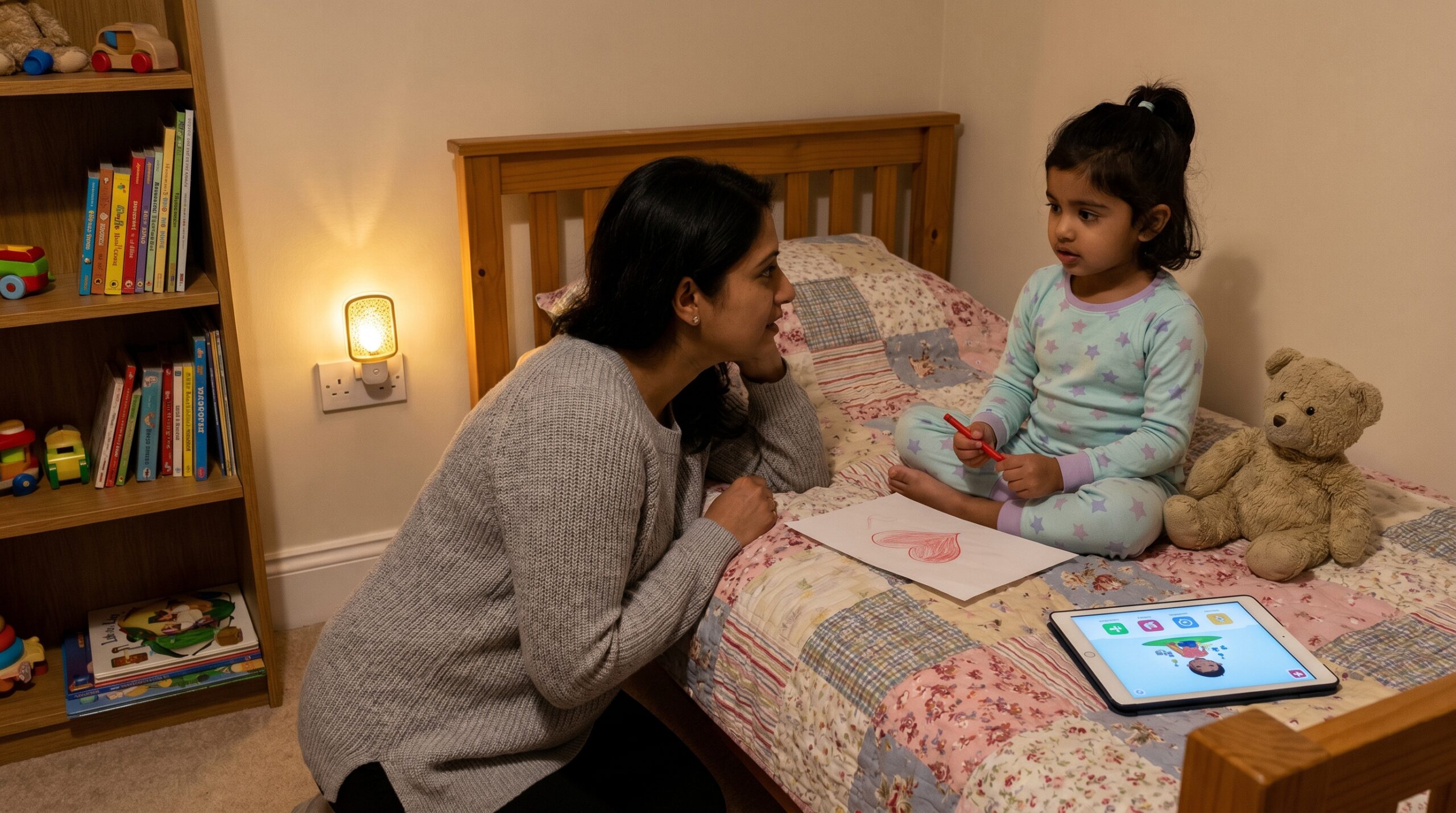
Kindness rituals for kids begin with tiny, repeatable moments. A soft lamp at storytime can set the mood. A tiny kindness jar on the kitchen counter catches small wins. These little habits nudge children toward helping. For example, a shared crayon or a friendly hello can matter a lot. In fact, a 2025 study found that 77% of U.S. respondents had performed a recent random act of kindness, highlighting the everyday nature of such behaviors.
How kindness rituals for kids develop
Babies show concern early. Toddlers may comfort a crying friend. Preschoolers learn to share and take turns. School-age kids plan helpful acts. Teens organize and advocate for causes they care about. Development follows clear steps, but practice matters more than timing. Adults shape the path through modeling and gentle praise.
Why kindness rituals for kids matter
Kind kids often regulate emotions better. They build stronger friendships and deepen family trust. Giving care lowers stress and boosts mood. These benefits feel simple, but they run deep. Over time, small acts add up into a kinder household and a safer classroom. Research shows that 83.3% of prosocial intervention studies found improvements in health outcomes, underscoring the broader impact of kindness on well-being.
Simple kindness rituals for kids
Try easy rituals that fit your day. Keep them tactile and visible. Kids respond to touch, light, and small objects. So make rituals sensory and repeatable. Here are playful, practical ideas.
- Nightly reflection. Each night, ask your child to name one kind thing they did. This one question builds attention and pride.
- Tiny tasks. Let toddlers help set the table. Ask preschoolers to make a get-well card. Give school-age kids small responsibilities like watering a neighbor’s plants.
- Visible wins. Place a tiny kindness jar on the counter. Drop a token when someone helps. Rotate a weekly hero card for the kindest deed.
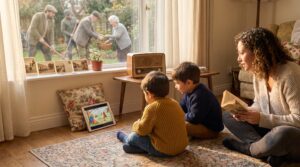
- Storytime practice. Read short tales about helping, then try a one-day kindness challenge together. Soft light and slow pages make the lesson gentle and memorable.
Make rituals tactile
Use a soft lamp, a low chair, a jar of bright tokens, and a small basket for thank-you notes. Read together on the couch and point out kind acts in the story. Also, use Storypie stories to practice scripts and invitations to help.
Teaching kindness with care
Kindness is not the same as niceness. It can be brave and honest. Teach consent and safety. Always ask before hugging and never encourage risky behavior. Praise the intention, not just the outcome. Role-play simple phrases like, “Do you need help?” or “I can share my toy.”
Classroom and community ideas
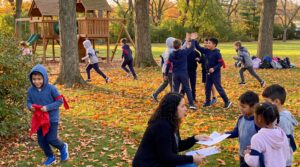
Teachers can use buddy systems and mini service projects. Small classroom rituals, such as a kindness board or rotating helper, make caring visible. Community volunteering, when age-appropriate, connects children to wider needs. These steps reinforce habits beyond home.
Cultural notes and self-kindness
Kindness looks different across cultures. Hospitality, quiet service, and neighborly checks all count. Also teach self-kindness. Rest, boundaries, and saying no are vital parts of caring for others.
Read or listen to a story about Kindness now: For 3-5 year olds, For 6-8 year olds, For 8-10 year olds, and For 10-12 year olds.
Try it tonight. Tiny sparks can light a big heart. For more gentle stories and ideas, visit Storypie.