
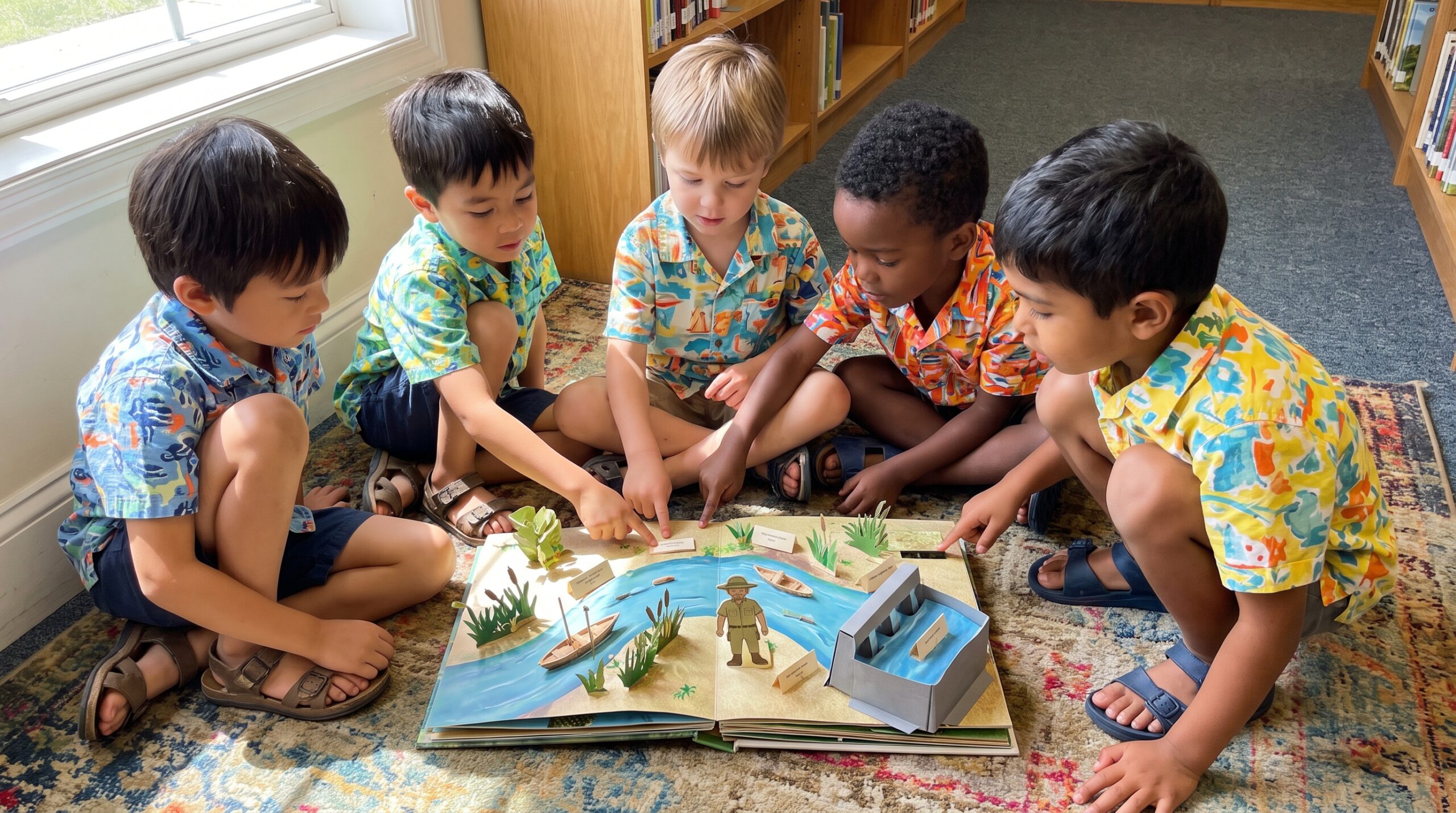
The Nile River for kids can feel like a long watery road from highlands to sea. Also, it flows north through deserts and green farms. The river drains into the Mediterranean and brings life along its banks.
Nile River for kids: Source to sea
The Nile measures about 6,853 kilometers or 4,258 miles, making it the world’s longest river, flowing northward across some 35 degrees of latitude. The Nile has two main tributaries. First, the White Nile rises near Lake Victoria. Next, the Blue Nile begins at Lake Tana in Ethiopia. They meet at Khartoum, Sudan. Then the river continues north toward the Mediterranean because the land slopes that way.
Countries, cities, and life along the Nile
Several countries touch the Nile. For example, Uganda, South Sudan, Sudan and Egypt sit along its main course. Major cities include Khartoum, Luxor, Aswan and Cairo. Also, many ancient and modern settlements grew where the river made travel and farming easy. The Nile Basin covers about 3.2 million square kilometers, which is nearly 10% of the African continent’s landmass, influencing the lives of approximately 272 million people living within the basin as of 2018—representing about 10% of Africa’s population according to the Nile Basin Initiative.
Why the Nile mattered to ancient Egypt
The Nile shaped daily life and culture for thousands of years. Each summer, the Blue Nile’s rains carried silt downstream. Therefore, fields received fresh soil and farmers could plant again. As a result, temples, cities and monuments rose where water and soil met. The river made quiet, steady generosity possible.
Modern changes and challenges
People have built dams to control the Nile. The Aswan High Dam, finished in 1970, created Lake Nasser. Also, the dams give electricity and steady irrigation. The mean annual flow at the Aswan High Dam is about 84 billion cubic meters per year, helping manage water resources in the region according to a World Bank Fact File. However, they reduced the sediment reaching the coast. This change causes coastal erosion and alters habitats. Meanwhile, projects like the Grand Ethiopian Renaissance Dam raise new questions about water sharing. Research predicts that by 2025, the Nile Basin could experience significant changes in peak discharges due to climate change, highlighting the river’s vulnerability and the importance of sustainable management according to Communications Earth & Environment.
Wildlife and the Nile Delta
The Nile supports rich wildlife and wet places. For example, papyrus marshes, hippos, Nile crocodiles and many fish thrive there. The Nile Delta is a fan of fertile soil and people. Also, pollution and sea level rise now threaten the delta and its homes.
Short timeline
- 1770s: James Bruce traced the Blue Nile to Lake Tana.
- 1858: John Hanning Speke linked Lake Victoria to the White Nile.
- 1970: Completion of the Aswan High Dam and the creation of Lake Nasser.
Simple activities for story time
- Trace the Nile on a map with blue yarn and count the countries crossed. It’s hands on and fun.
- Do a sticker or pebble challenge: place one pebble for each animal you spot in river photos.
Finally, try a tiny ritual during story hour. Dim the lights, add a small felt boat, and listen for a curious pause.
Glossary
- Tributary: a smaller river that joins a larger one.
- Delta: fan shaped land at a river mouth.
- Reservoir: a manmade lake used for storage.
- Silt: fine soil left by floods.
- Basin: the whole area drained by a river.
Bring the Nile to life with Storypie. Read or listen to a story about Nile River now: For 3-5 year olds, For 6-8 year olds, For 8-10 year olds, and For 10-12 year olds.
Also, explore the main page for more place stories and gentle learning on Storypie.