
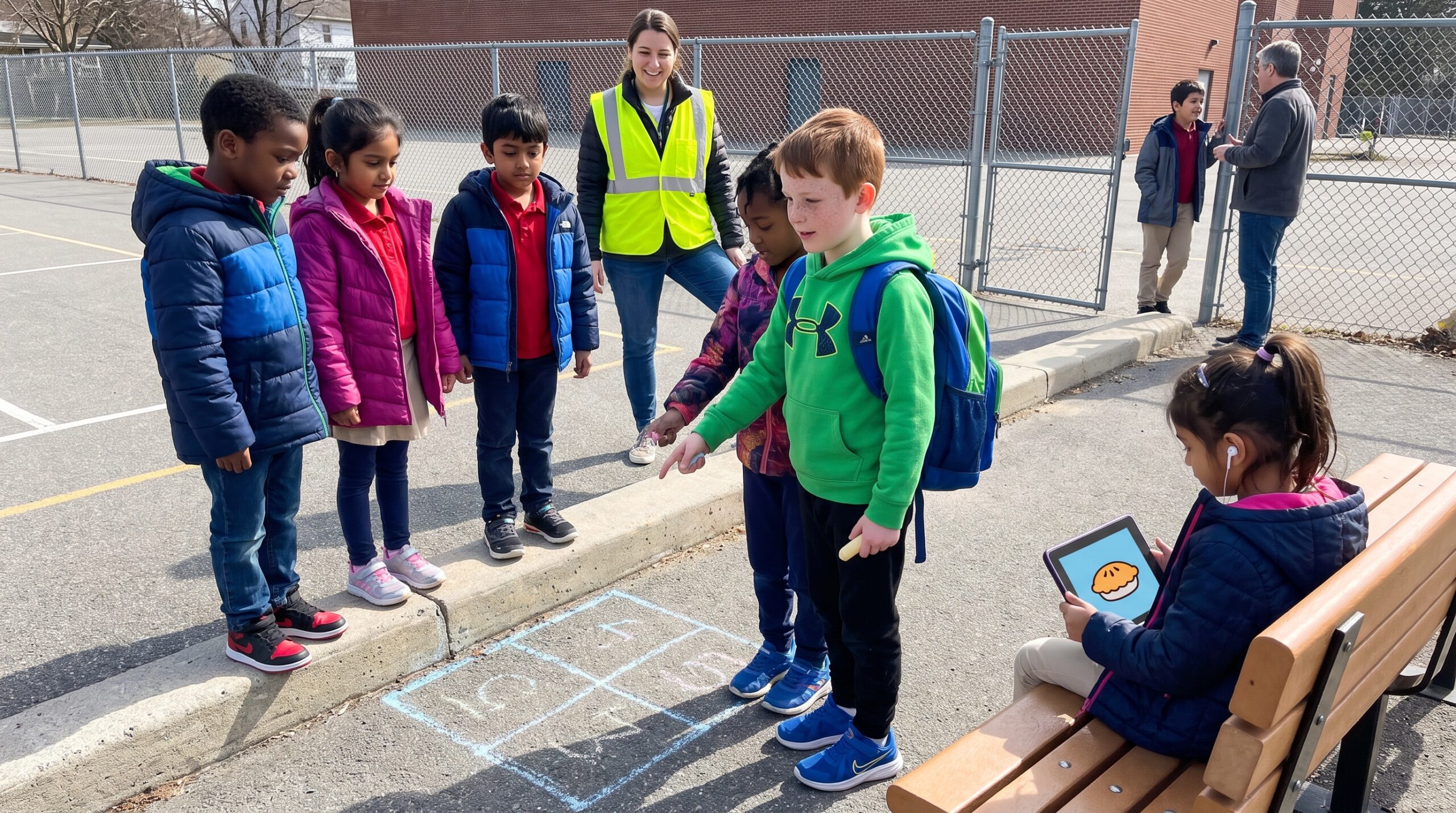
Peer pressure in children shapes how they belong and how they decide. It can push kids toward helpful habits or risky choices. For parents and teachers, spotting it early matters.
Peer pressure in children: why it matters
Peer pressure in children nudges them to fit in. For example, a child might join a risky game to avoid being left out. Yet the same social pull can boost cooperation and kindness. Knowing both sides helps adults guide children without shame. In fact, a March 2025 Pew Research Center survey found that 68% of U.S. teens feel pressure to get good grades, highlighting the academic pressures that can accompany social dynamics.
What peer pressure looks like
Peer pressure shows up in clear ways. Also it can be subtle. Here are common forms:
- Positive pressure: Friends encourage study, helpful habits, or sports practice.
- Negative pressure: Peers push risky or harmful choices.
- Direct pressure: A dare or explicit request to act.
- Indirect pressure: Social cues and the quiet need to fit in.
- Online pressure: Viral trends, group chats, and social challenges.
Where peer pressure happens
Peer pressure appears at recess, in class, during sports, at parties, and online. Often it begins with a small nudge. Then choices escalate quickly. Watch for sudden changes in behavior or secrecy. Additionally, the same survey noted that 47% of teens feel pressure to look good and 41% feel pressure to fit in socially, illustrating the diverse sources of influence they encounter.
Signs to watch
- Behavior changes or mood swings.
- New rules-breaking or unexplained injuries.
- Increased anxiety about fitting in.
- A sudden shift in friends or activities.
Simple scripts and gentle strategies
Short words and practice make a big difference. First rehearse one line with your child. Then praise any attempt to use it. Below are kid-friendly scripts you can try.
Quick scripts kids can try
- Young children: “No thanks. I will play over here. Want to join me?”
- Older kids: “No. That is dangerous. I am out.”
- Alternative: “No, that is not for me. Want to try something else?”
When to take stronger action
If pressure involves safety risks, act right away. For instance, with substance use, self-harm, sexual coercion, or violence, contact school staff. Also seek professional help and protect the child’s safety without delay.
Tiny tools that help
Role-play, short rehearsals, and a single practiced sentence increase a child’s chance of resisting pressure. Visual aids help too. Try printable script cards, classroom posters, or short role-play videos for practice.
Read or listen to a story about Peer Pressure now: For 3-5 year olds, For 6-8 year olds, For 8-10 year olds, and For 10-12 year olds.
Finally, a small script can be surprisingly powerful. Practice one short line, praise the try, and watch a child’s confidence grow. For more gentle supports and prompts, visit Storypie.