English

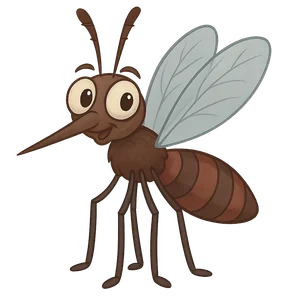
Mosquito
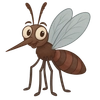
Mosquitoes are a group of small, flying insects from the Culicidae family…
Reads at Grades 6–8 Listens at Grades 4–8
Print & create
Answer keys·No prep·Free with an account
28 worksheets · answer keys · full story · quiz · Ages 10-12 · CEFR B2
Plus adds 244,000+ more stories in 27 languages, audio for every one, and printables for all of them.
Just want Mosquito?
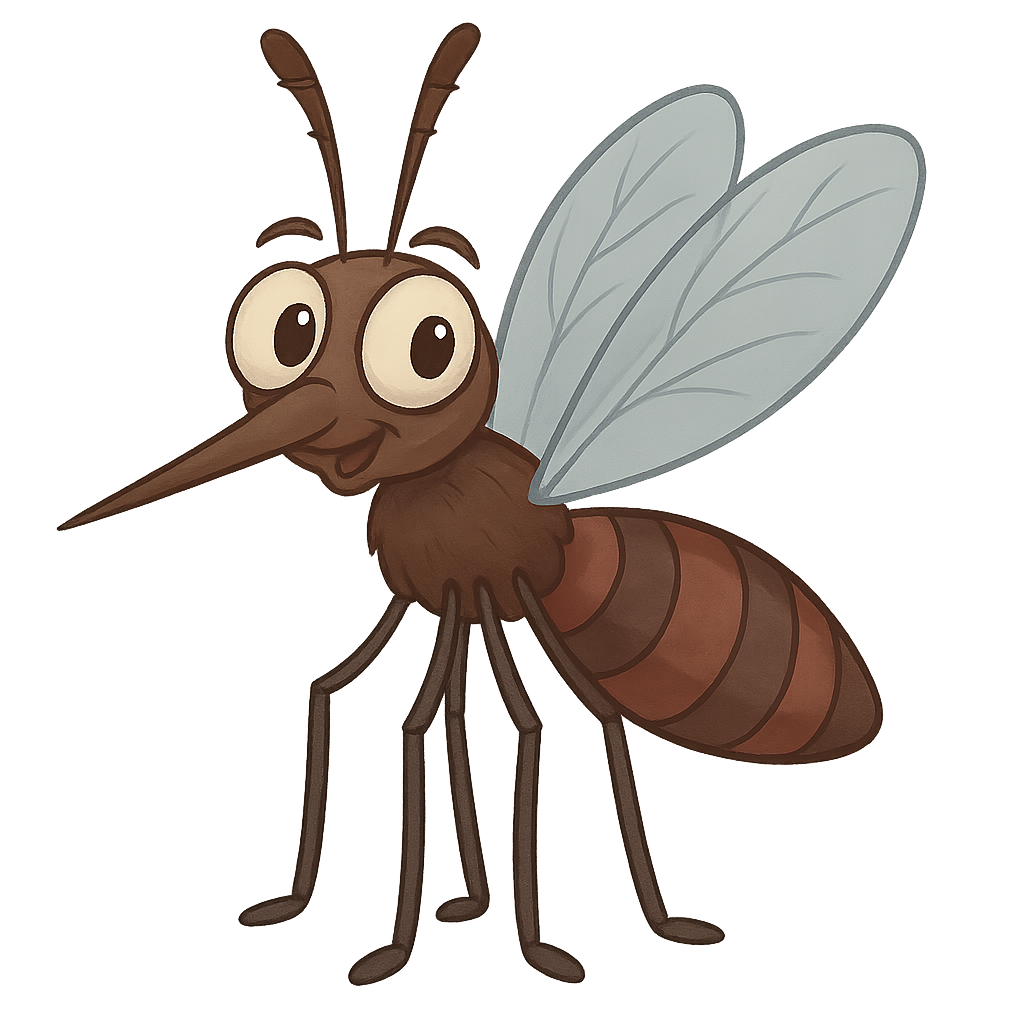
Hello. I am a mosquito, and my family has one of the oldest stories on Earth. You might only know me as a tiny flying insect, but my ancestors were soaring through ancient skies long before humans existed. We flew when giant dinosaurs like Tyrannosaurus Rex roamed the land during the Cretaceous Period, around 100 million years ago. It’s hard to imagine, but it’s true. How do scientists know this? They have discovered some of my ancient relatives perfectly preserved inside fossilized tree resin, which you might know as amber. These tiny time capsules give researchers a clear window into the distant past, showing them what my family looked like and proving that we have been part of this world for a very, very long time. My story is written in the very history of our planet.
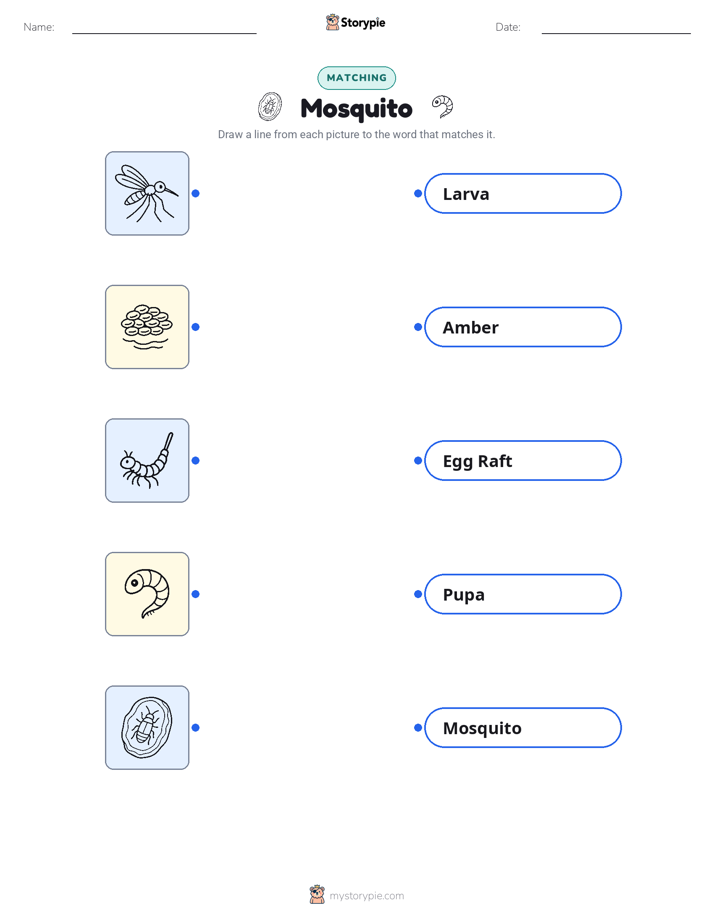
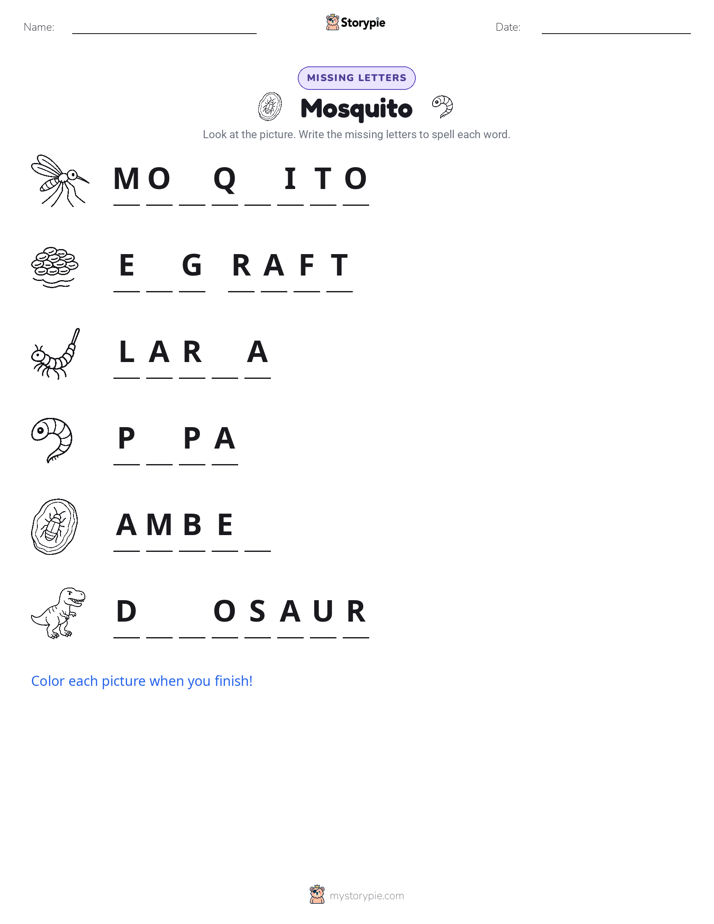
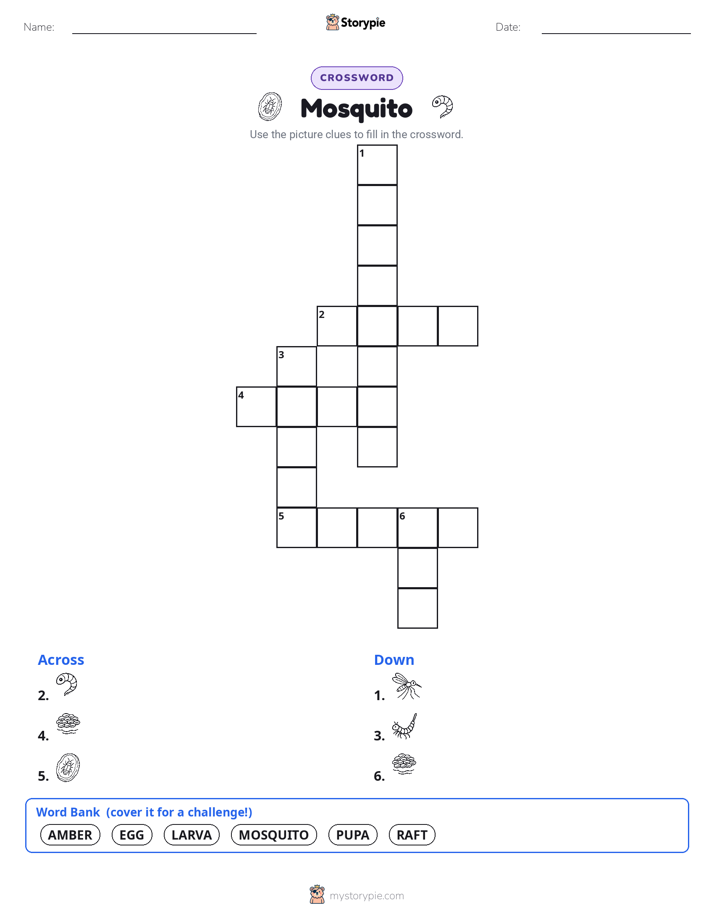
My own life began not in the air, but in the water. I started as a tiny egg, laid with hundreds of my siblings in a floating cluster called a raft on the surface of still, quiet water. Soon, I hatched and became a larva, a stage where I was called a 'wriggler.' I spent my days wiggling through the water, feeding on tiny particles of algae and organic matter. To breathe, I didn't use gills like a fish; instead, I had a special breathing tube on my tail called a siphon, which I would poke through the water’s surface to get air. After growing and shedding my skin a few times, I entered the next phase of my life as a pupa, or 'tumbler.' I no longer ate, but tumbled through the water while my body prepared for its final, incredible transformation. Finally, the moment came. I broke free from my pupal case at the water’s surface and emerged as a winged adult, ready to take my first flight into the wide, open world.
An Ancient Story in the Air
Hello. I am a mosquito, and my family has one of the oldest stories on Earth. You might only know me as a tiny flying insect, but my ancestors were soaring through ancient skies long before humans existed. We flew when giant dinosaurs like Tyrannosaurus Rex roamed the land during the Cretaceous Period, around 100 million years ago. It’s hard to imagine, but it’s true. How do scientists know this? They have discovered some of my ancient relatives perfectly preserved inside fossilized tree resin, which you might know as amber. These tiny time capsules give researchers a clear window into the distant past, showing them what my family looked like and proving that we have been part of this world for a very, very long time. My story is written in the very history of our planet.
My own life began not in the air, but in the water. I started as a tiny egg, laid with hundreds of my siblings in a floating cluster called a raft on the surface of still, quiet water. Soon, I hatched and became a larva, a stage where I was called a 'wriggler.' I spent my days wiggling through the water, feeding on tiny particles of algae and organic matter. To breathe, I didn't use gills like a fish; instead, I had a special breathing tube on my tail called a siphon, which I would poke through the water’s surface to get air. After growing and shedding my skin a few times, I entered the next phase of my life as a pupa, or 'tumbler.' I no longer ate, but tumbled through the water while my body prepared for its final, incredible transformation. Finally, the moment came. I broke free from my pupal case at the water’s surface and emerged as a winged adult, ready to take my first flight into the wide, open world.
As a flying adult, I experience the world through a symphony of scents and signals that are invisible to you. My senses are incredibly sharp and tuned for survival. From over 75 feet away, I can detect the plume of carbon dioxide that you exhale with every breath. It’s like a signpost in the air, letting me know that a potential meal is nearby. As I get closer, I can sense the heat radiating from your body, another clue that guides my flight. Finally, I can pick up on specific chemical signals on your skin, a unique signature that tells me I have found my target. It’s important for you to know that not all of us do this. My brothers, the male mosquitoes, have no interest in finding you. They are perfectly content sipping sweet nectar from flowers, leaving the search for blood meals entirely to the females of our species.
Now, you might wonder why I, a female mosquito, go to such lengths to find you. It’s a common misconception that I drink blood for my own food or energy. Like my brothers, I get my daily energy from sugars found in plant nectar. The reason I need a blood meal is far more critical: it is for the survival of the next generation. Your blood is rich in the specific protein and iron that I need to produce and nourish my eggs. Without it, I cannot reproduce. When I land on your skin, I use a specialized mouthpart called a proboscis. It is a complex tool, not just a simple straw. As I draw blood, my proboscis also injects a small amount of my saliva, which contains an anticoagulant to keep the blood flowing smoothly. It is this saliva, not the bite itself, that causes the itchy bump you feel later.
I understand that my relationship with humans is complicated. For centuries, I was seen simply as a pest. But in 1897, a British doctor named Sir Ronald Ross made a major discovery that changed how people saw some of my relatives. He found that certain species of mosquitoes can carry tiny passengers, microscopic organisms called parasites, that can cause diseases like malaria. It is an unfortunate and unintentional consequence of my biology. We don’t seek to cause harm; these tiny organisms can simply live inside of us and be passed along when we feed. This discovery helped people understand that the small itch from my bite could sometimes have much larger implications, and it forever defined the complex connection between our two species.
Although I am known for my bite, my role in the ecosystem is much larger and more positive than you might think. I am a vital link in the web of life. During my time in the water as a larva and pupa, I am a crucial food source for countless animals, including fish, dragonflies, and frogs. Once I become a winged adult, my journey continues to support other species; I become food for birds, bats, spiders, and other insects. Furthermore, as my brothers and I travel from flower to flower to feed on nectar, we act as pollinators, helping plants reproduce just like bees and butterflies do. So, while I may seem like a nuisance, I am a necessary part of a food web that has existed for millions of years. I help maintain the delicate balance of nature, a job my family has been doing since the age of the dinosaurs.
Wow facts
About
Mosquitoes are a group of small, flying insects from the Culicidae family, known for their slender bodies and long legs. Female mosquitoes are notable for consuming blood from other animals, which they need to produce eggs, while males feed on nectar.
Take a Quiz
Question 1 of 5
What is the primary reason the female mosquito narrator seeks a blood meal?
Explore next


Want to do even more?
Go beyond exploring. Unlock tools that turn every story into real learning.

Storypie Plus for families
Full stories, quizzes, and printables. Nights and car rides, sorted.
- Unlimited audio stories
- Create Mode: your child stars in the story
- Offline downloads
- Printable worksheets & coloring pages

Why Storypie for Schools
Students engaged. Prep in seconds. Evenings back to you.
- Worksheets & Quizzes
- Classroom Management
- Formative Assessment
- Custom Curriculum & Lesson Plans
- 27 Languages

Why Storypie for Homeschool
Curriculum done. They'll ask for more. Hours back in your day.
- Worksheet Generator
- First-Person Audio Stories
- Built-in Comprehension Quizzes
- Custom Curriculum & Lesson Plans
- Print & Go Activities