English

Brahmagupta
Brahmagupta was an influential Indian mathematician and astronomer who established key rules for computing…
Reads at Grades 6–8 Listens at Grades 4–8
Print & create
Answer keys·No prep·Free with an account
28 worksheets · answer keys · full story · quiz · Ages 10-12 · CEFR B2
Plus adds 164,000+ more stories in 27 languages, audio for every one, and printables for all of them.
Just want Brahmagupta?
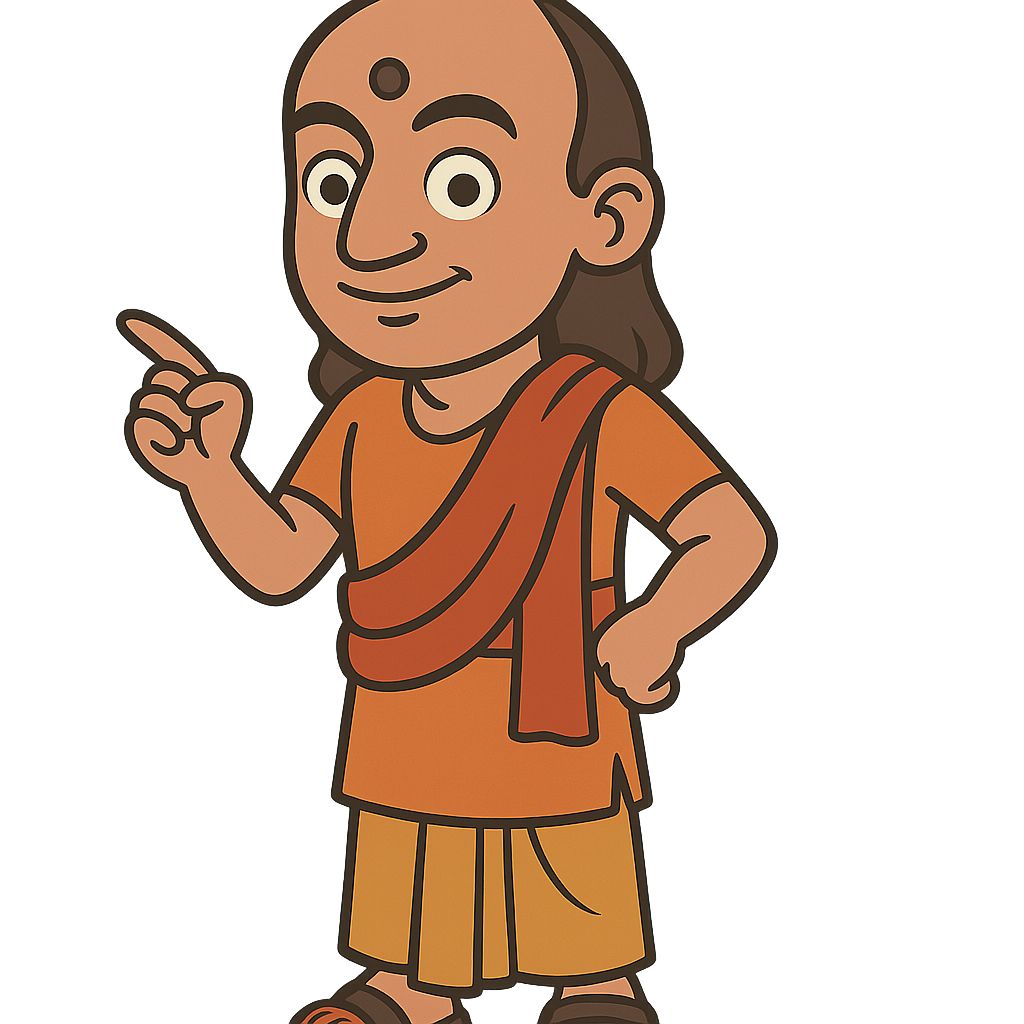
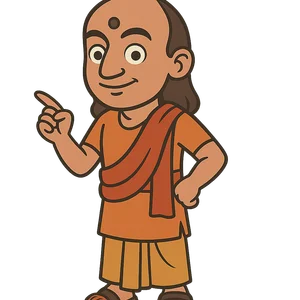
Hello! My name is Brahmagupta. My story begins a very long time ago, in the year 598 CE, in a bustling city in India called Bhillamāla. Even as a young boy, I was fascinated by two things: the endless sea of stars in the night sky and the magical world of numbers. I would look up at the moon and planets and wonder how they moved. I saw numbers not just as tools for counting, but as a secret language that could explain the universe. My home was a wonderful place, but I heard tales of an even greater city, Ujjain, which was famous for its brilliant astronomers and mathematicians. It had a grand observatory, a special place for studying the heavens. I knew, deep in my heart, that Ujjain was where I needed to be.
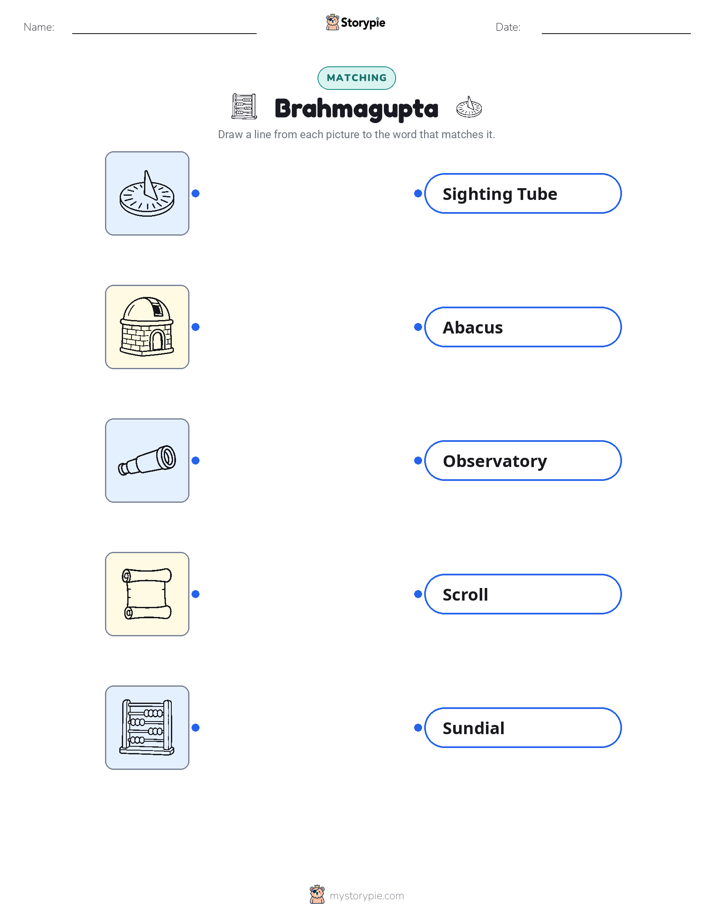
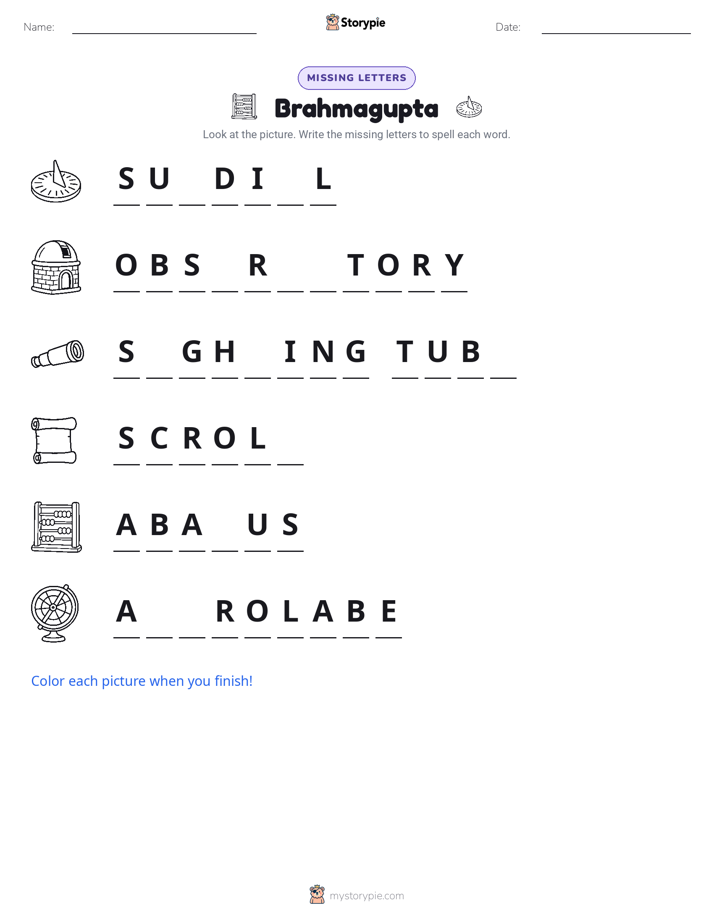
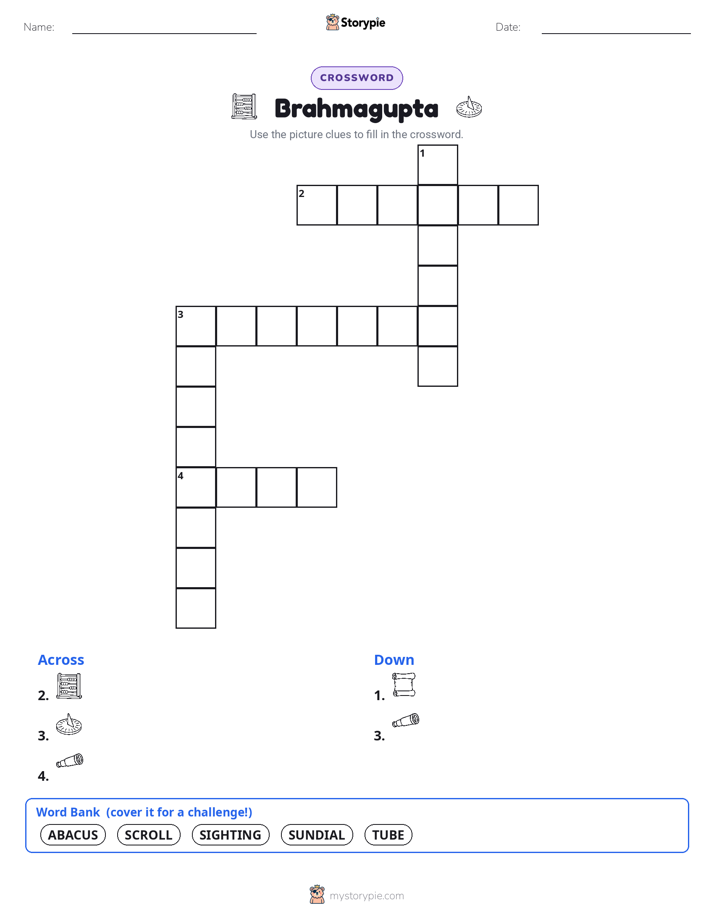
My dream came true! I traveled to the magnificent city of Ujjain and dedicated myself to learning. The city was alive with scholars, poets, and thinkers. The greatest honor of my life came when I was chosen to be the head of the astronomical observatory. Imagine a building designed just for watching the stars! We didn't have powerful telescopes like you do today. Instead, we used incredible instruments like gnomons, which were like giant sundials, and sighting tubes to carefully track the paths of the sun, moon, and planets across the sky. To make sense of all our observations, we needed mathematics. In fact, astronomy and mathematics were like two best friends who couldn't work without each other. We used numbers to predict when seasons would change, when a solar or lunar eclipse would happen, and to create accurate calendars. It was my job to lead this important work, and I poured all my energy into solving the mathematical puzzles the universe presented to us each night.
Brahmagupta: The Man Who Gave Zero Its Power
Hello! My name is Brahmagupta. My story begins a very long time ago, in the year 598 CE, in a bustling city in India called Bhillamāla. Even as a young boy, I was fascinated by two things: the endless sea of stars in the night sky and the magical world of numbers. I would look up at the moon and planets and wonder how they moved. I saw numbers not just as tools for counting, but as a secret language that could explain the universe. My home was a wonderful place, but I heard tales of an even greater city, Ujjain, which was famous for its brilliant astronomers and mathematicians. It had a grand observatory, a special place for studying the heavens. I knew, deep in my heart, that Ujjain was where I needed to be.
My dream came true! I traveled to the magnificent city of Ujjain and dedicated myself to learning. The city was alive with scholars, poets, and thinkers. The greatest honor of my life came when I was chosen to be the head of the astronomical observatory. Imagine a building designed just for watching the stars! We didn't have powerful telescopes like you do today. Instead, we used incredible instruments like gnomons, which were like giant sundials, and sighting tubes to carefully track the paths of the sun, moon, and planets across the sky. To make sense of all our observations, we needed mathematics. In fact, astronomy and mathematics were like two best friends who couldn't work without each other. We used numbers to predict when seasons would change, when a solar or lunar eclipse would happen, and to create accurate calendars. It was my job to lead this important work, and I poured all my energy into solving the mathematical puzzles the universe presented to us each night.
By the year 628 CE, when I was 30 years old, I felt I had discovered so many new things that I had to write them all down. I compiled all my knowledge into my most important book, which I called the Brāhmasphuṭasiddhānta. That's a long name, but it means 'The Correctly Established Doctrine of Brahma.' In this book, I wrote about one of my favorite ideas: the number zero. Before my time, people often used zero just as a placeholder, like the '0' in the number 105. But I explained that zero was a number all on its own! I wrote down the rules for it: any number plus zero is the same number, any number minus zero is the same number, and any number multiplied by zero is zero. I also explored what happens when you try to divide by zero, a question that would challenge mathematicians for centuries! I didn't stop there. I also created clear rules for working with negative numbers. I thought of them as 'debts' and positive numbers as 'fortunes.' This helped people understand how to solve problems that involved owing something. My book also included a special formula to find the area of any four-sided shape that can be drawn inside a circle, a discovery that is still known as Brahmagupta's formula today.
My mind never stopped buzzing with ideas. My first book was very theoretical, full of big concepts. But I wanted to create something that other astronomers could use in their daily work. So, in the year 665 CE, I wrote a second book called the Khaṇḍakhādyaka. This book was a practical handbook. It was filled with tables and simpler methods for calculating the positions of the planets for any day of the year. It helped astronomers predict the exact times of sunrises, sunsets, and eclipses. It was very important to me that my work was not just beautiful in theory, but also useful for understanding the world and navigating through it. Mathematics was the key that unlocked the secrets of the heavens, and I wanted to share that key with as many people as I could.
I lived a long and fulfilling life, spending my days exploring the universe with the power of numbers. I lived to be about 70 years old, and after my time, my ideas began a journey of their own. Traders and scholars carried my books from India across the world. My work was translated into Arabic and, from there, my rules for zero and negative numbers traveled all the way to Europe. I am so proud that the concepts I worked on in my observatory in Ujjain so long ago became a part of the foundation of modern mathematics. Every time you use the number zero or solve an algebra problem, you are using ideas that I helped bring to the world.
Wow facts
About
Brahmagupta was an influential Indian mathematician and astronomer who established key rules for computing with the number zero, negative numbers, and made significant contributions to algebra and astronomy.
Take a Quiz
Question 1 of 5
What was the main purpose of Brahmagupta's second book, the Khaṇḍakhādyaka, written in 665 CE?
Explore next






Want to do even more?
Go beyond exploring. Unlock tools that turn every story into real learning.

Storypie Plus for families
Full stories, quizzes, and printables. Nights and car rides, sorted.
- Unlimited audio stories
- Create Mode: your child stars in the story
- Offline downloads
- Printable worksheets & coloring pages

Why Storypie for Schools
Students engaged. Prep in seconds. Evenings back to you.
- Worksheets & Quizzes
- Classroom Management
- Formative Assessment
- Custom Curriculum & Lesson Plans
- 27 Languages

Why Storypie for Homeschool
Curriculum done. They'll ask for more. Hours back in your day.
- Worksheet Generator
- First-Person Audio Stories
- Built-in Comprehension Quizzes
- Custom Curriculum & Lesson Plans
- Print & Go Activities