English

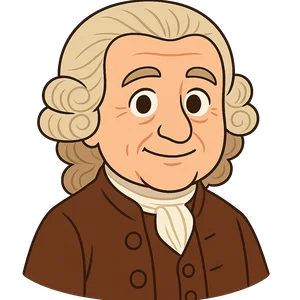
Carl Linnaeus
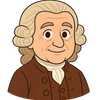
Carl Linnaeus was a Swedish botanist, zoologist, taxonomist…
Reads at Grades 6–8 Listens at Grades 4–8
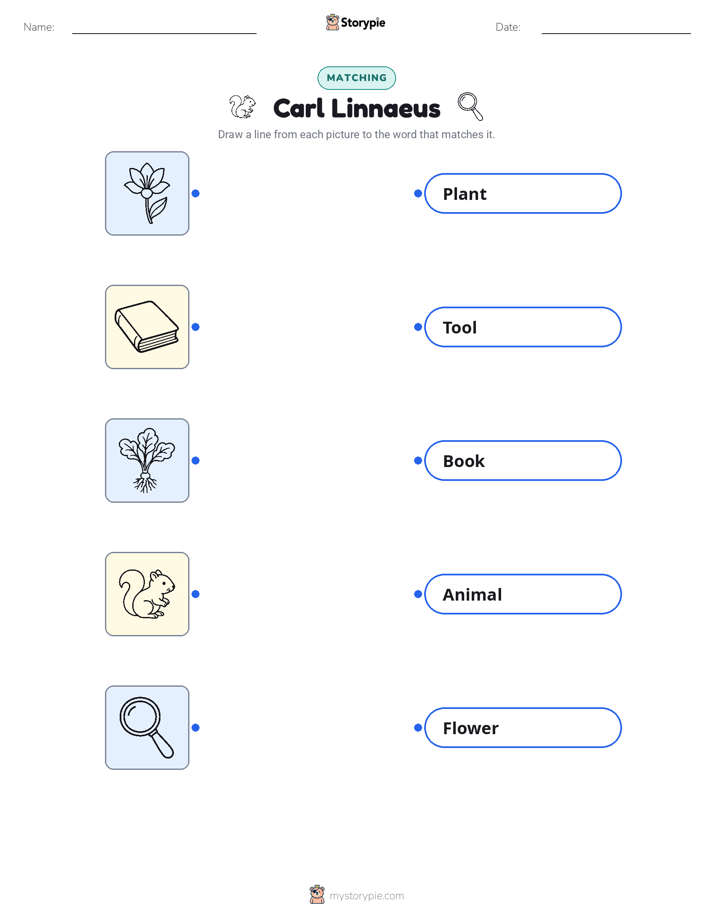
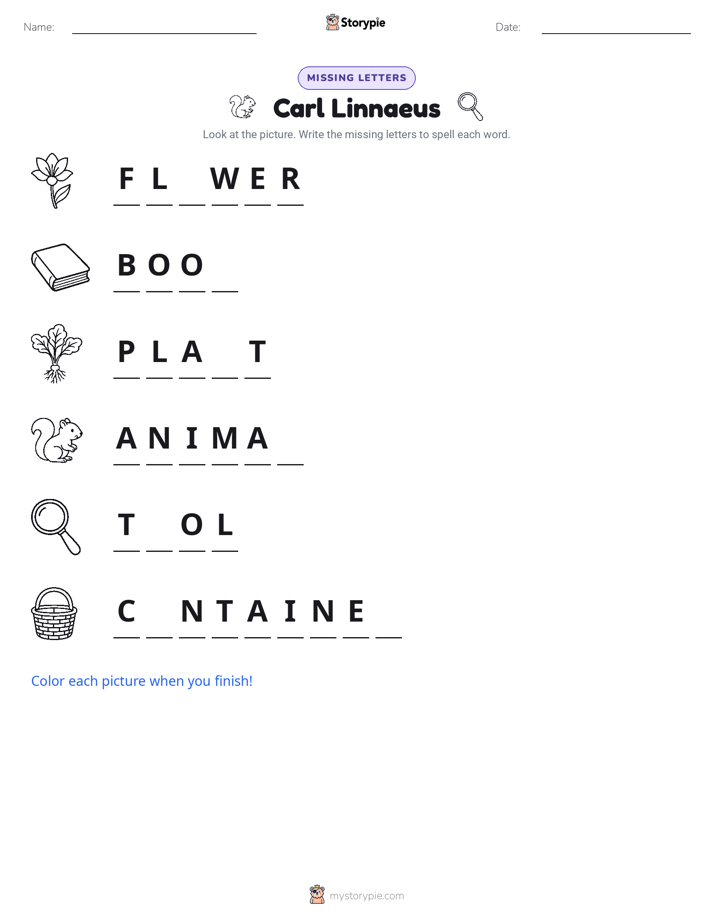
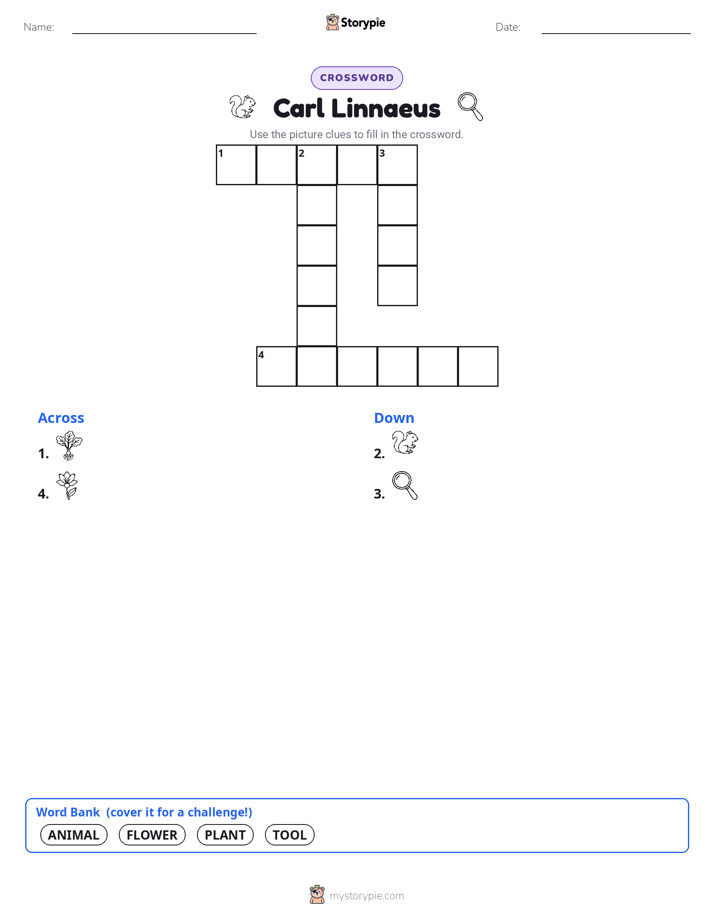
Print & create
Answer keys·No prep·Free with an account
28 worksheets · answer keys · full story · quiz · Ages 10-12 · CEFR B2
Plus adds 164,000+ more stories in 27 languages, audio for every one, and printables for all of them.
Just want Carl Linnaeus?
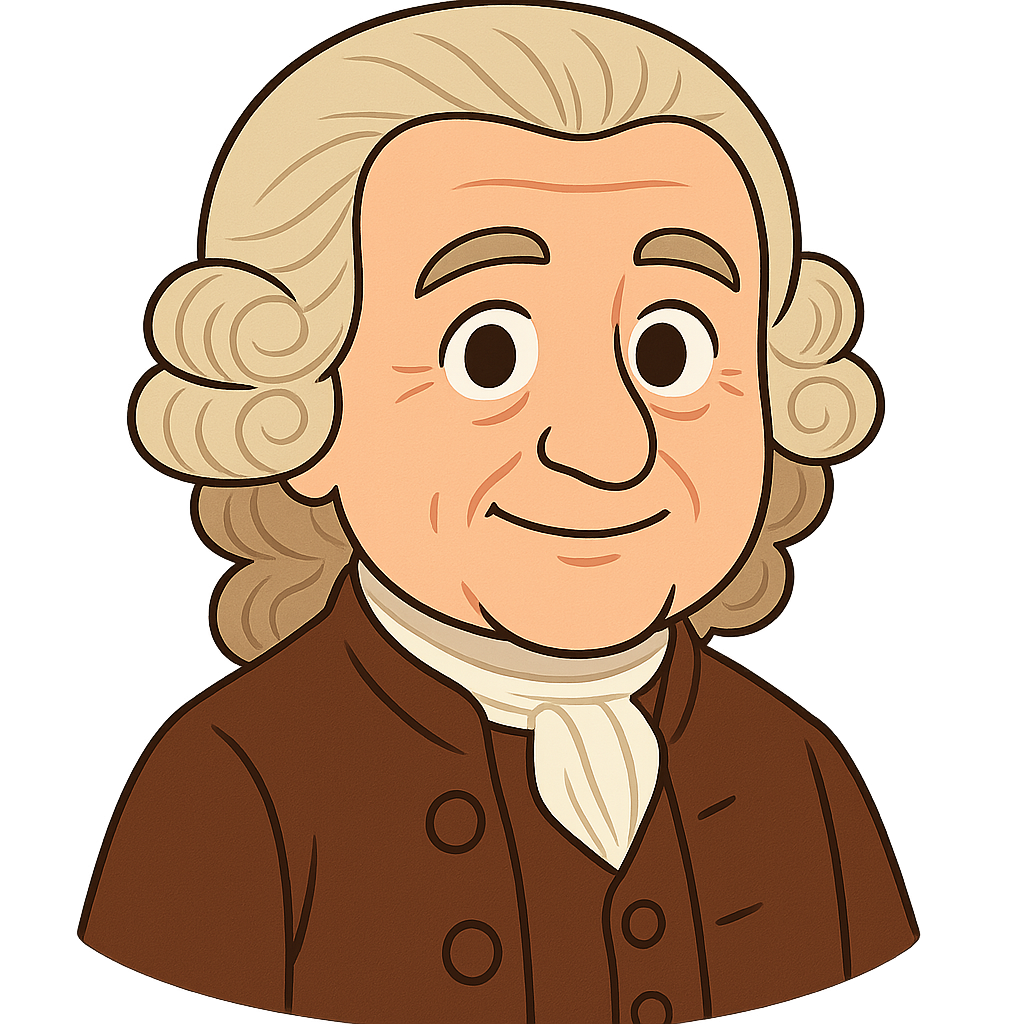
Hello! My name is Carl Linnaeus, and you might think of me as a great organizer of the natural world. I was born on May 23rd, 1707, in a small village in Sweden called Råshult. My father served as a church minister, but his true passion was tending to our garden, which was always filled with a wonderful variety of flowers. From the time I was very young, I was his little helper, and soon everyone in the village began to call me 'the little botanist.' I wasn't just content to look at the beautiful plants; I had a deep desire to learn all their names and understand how they were connected to one another. While my teachers hoped I would pursue a more traditional field of study, my heart was always outdoors, exploring the incredible world of plants.
In 1728, I enrolled at Uppsala University to study medicine. In those days, botany and medicine were closely linked because doctors relied on plants to create remedies for illnesses. I was completely fascinated by my studies, but I quickly noticed a significant problem. Scientists from different countries were using long, complicated, and inconsistent names for the very same plants. It was as if everyone was speaking a different scientific language, making it nearly impossible to share knowledge. In 1732, I embarked on a thrilling expedition to Lapland, a remote region in northern Sweden. For five months, I traveled more than 1,200 miles, carefully documenting all the plants, animals, and minerals I discovered. This incredible journey strengthened my resolve to create a simple, logical system for organizing nature that scientists everywhere could use and understand.
Carl Linnaeus: The Great Organizer of Nature
Hello! My name is Carl Linnaeus, and you might think of me as a great organizer of the natural world. I was born on May 23rd, 1707, in a small village in Sweden called Råshult. My father served as a church minister, but his true passion was tending to our garden, which was always filled with a wonderful variety of flowers. From the time I was very young, I was his little helper, and soon everyone in the village began to call me 'the little botanist.' I wasn't just content to look at the beautiful plants; I had a deep desire to learn all their names and understand how they were connected to one another. While my teachers hoped I would pursue a more traditional field of study, my heart was always outdoors, exploring the incredible world of plants.
In 1728, I enrolled at Uppsala University to study medicine. In those days, botany and medicine were closely linked because doctors relied on plants to create remedies for illnesses. I was completely fascinated by my studies, but I quickly noticed a significant problem. Scientists from different countries were using long, complicated, and inconsistent names for the very same plants. It was as if everyone was speaking a different scientific language, making it nearly impossible to share knowledge. In 1732, I embarked on a thrilling expedition to Lapland, a remote region in northern Sweden. For five months, I traveled more than 1,200 miles, carefully documenting all the plants, animals, and minerals I discovered. This incredible journey strengthened my resolve to create a simple, logical system for organizing nature that scientists everywhere could use and understand.
My journey took me to the Netherlands in 1735, where I went to complete my medical degree. It was there that I published the first edition of my most important book, Systema Naturae, which translates to 'The System of Nature.' Initially, it was just a small booklet, but it introduced my revolutionary idea for classifying all living things. I proposed a simple, two-part naming system for every species, a method we now call binomial nomenclature. The first name identifies the broader group, or genus, while the second name identifies the specific organism, or species. For instance, I gave our own species the name Homo sapiens, which means 'wise man.' This system was a vast improvement over the long, descriptive phrases that had been used before. After spending three years abroad, I returned to Sweden in 1738. A few years later, in 1741, I was honored to become a professor at my old university in Uppsala. It was the perfect role for me, as it allowed me to teach my new classification system to hundreds of eager students.
From my position at Uppsala University, I sent my students on expeditions all over the world. I playfully called them my 'apostles,' and their mission was to explore faraway lands like America, Japan, and Australia to collect new types of plants and animals. They returned with thousands of specimens, which I would then study, classify, and name using my system. All this new information allowed me to continue updating and expanding my book, Systema Naturae. In 1753, I published another one of my key works, Species Plantarum. This book applied my naming system to thousands of plant species and is still considered the official starting point for modern plant naming. My work gained so much recognition that in 1757, the King of Sweden honored me with a title of nobility, and I adopted the new name Carl von Linné.
I spent the remainder of my career teaching, writing, and caring for the botanical garden at Uppsala. I lived to be 70 years old. My greatest contribution was giving the world a shared, universal language to describe the wonders of nature. Today, scientists all across the globe still use my system of binomial nomenclature to name and classify every living thing. Every time you see a scientific name, from the mighty Tyrannosaurus rex to the common dandelion, Taraxacum officinale, you are seeing my dream of an orderly system for nature brought to life. I hope my story shows you that with curiosity and a love for order, you can help the whole world see things in a new way.
Wow facts
About
Carl Linnaeus was a Swedish botanist, zoologist, taxonomist, and physician who formalized binomial nomenclature, the modern system of naming organisms. He is known as the 'father of modern taxonomy'.
Take a Quiz
Question 1 of 5
What was the main problem Carl Linnaeus identified with naming plants when he was at Uppsala University in 1728?
Explore next



Want to do even more?
Go beyond exploring. Unlock tools that turn every story into real learning.

Storypie Plus for families
Full stories, quizzes, and printables. Nights and car rides, sorted.
- Unlimited audio stories
- Create Mode: your child stars in the story
- Offline downloads
- Printable worksheets & coloring pages

Why Storypie for Schools
Students engaged. Prep in seconds. Evenings back to you.
- Worksheets & Quizzes
- Classroom Management
- Formative Assessment
- Custom Curriculum & Lesson Plans
- 27 Languages

Why Storypie for Homeschool
Curriculum done. They'll ask for more. Hours back in your day.
- Worksheet Generator
- First-Person Audio Stories
- Built-in Comprehension Quizzes
- Custom Curriculum & Lesson Plans
- Print & Go Activities