English

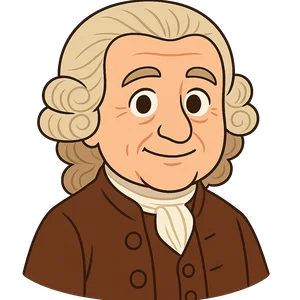
Carl Linnaeus
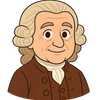
Carl Linnaeus was a Swedish botanist, zoologist, taxonomist…
Reads at Grades 3–5 Listens at Grades 1–5
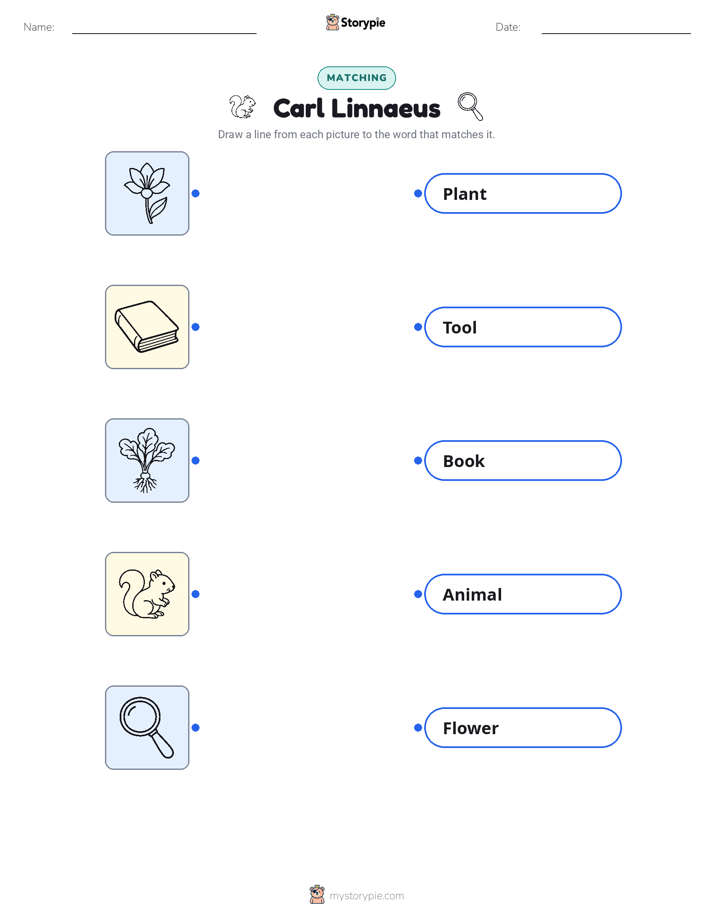
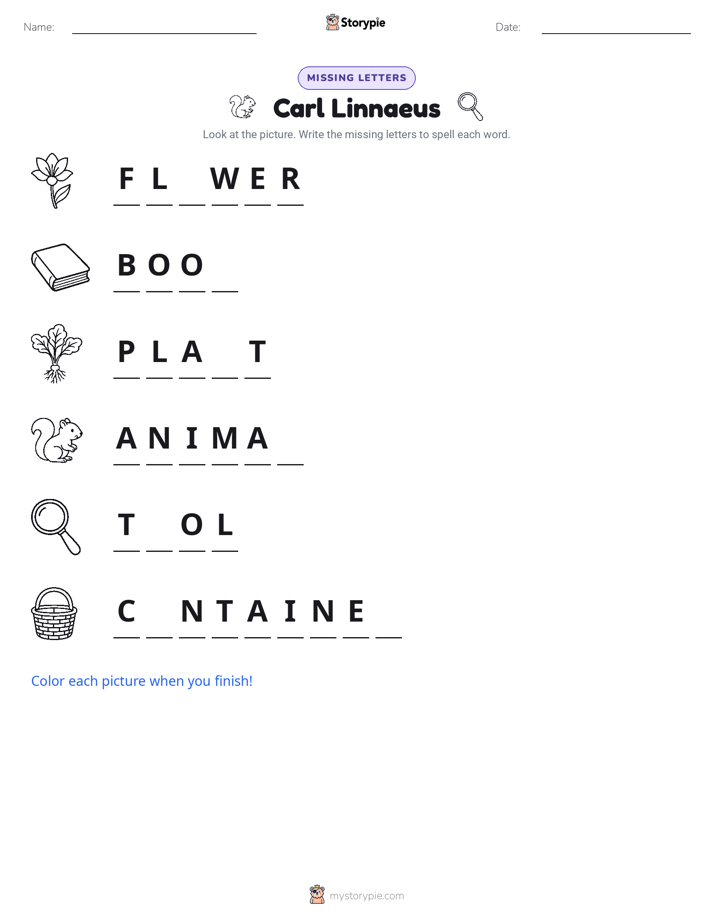
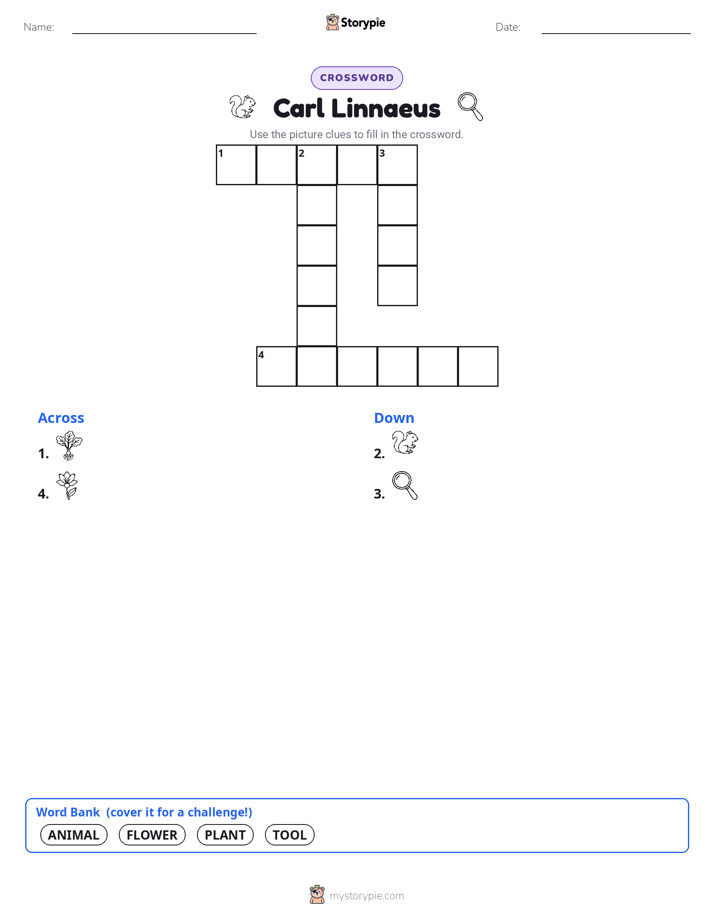
Print & create
Answer keys·No prep·Free with an account
28 worksheets · answer keys · full story · quiz · Ages 8-10 · CEFR B1
Plus adds 164,000+ more stories in 27 languages, audio for every one, and printables for all of them.
Just want Carl Linnaeus?
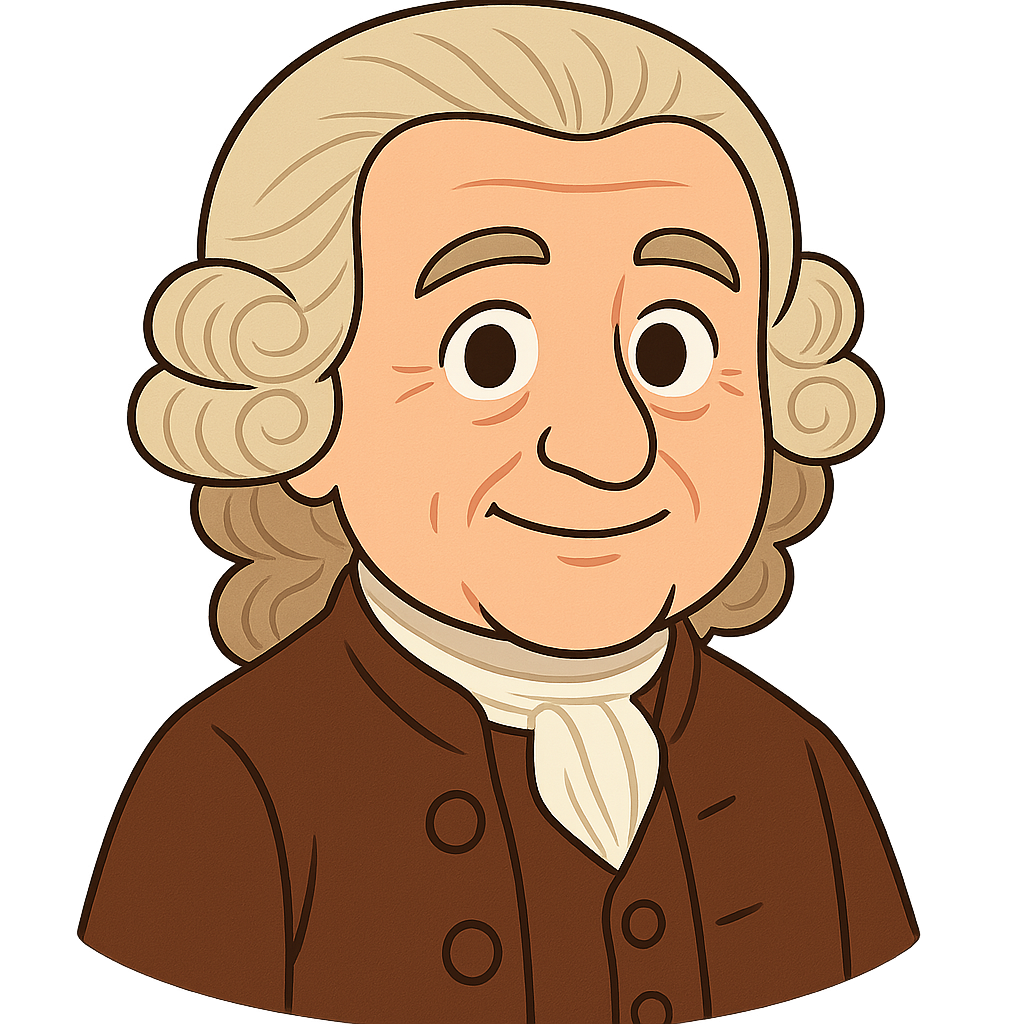
Hello! My name is Carl Linnaeus. I want to tell you the story of how I gave a special name to every living thing on Earth. I was born in a little town in Sweden called Råshult on May 23rd, 1707. My father was a pastor, but his greatest joy was his garden. From the time I could walk, I was his little helper. I didn't care much for regular toys; instead, I wanted flowers. I would spend hours in the garden, learning their names and watching the bees and butterflies visit each one. My love for nature was so great that people in our town started calling me 'the little botanist.'
When I grew up, I decided to study medicine. In those days, doctors had to know all about plants to make remedies for sick people. I first went to Lund University in 1727 and then moved to Uppsala University a year later in 1728. As I studied, I found a big problem. People all over the world had different names for the same plant or animal. Some of the names were so long they were like whole sentences! It was very messy and confusing for everyone. I thought to myself, 'There must be a better, simpler way to organize the natural world!'
In 1732, I was given the chance to go on a great adventure. I traveled to a wild, remote region in the north called Lapland. For five months, I journeyed on foot and by horse, exploring rugged mountains and deep forests. During my travels, I carefully collected hundreds of plants, rocks, and insects that I had never seen before. This trip opened my eyes to just how many different kinds of living things there were in the world. Seeing this incredible variety made me even more determined to create a system to keep track of them all.
Carl Linnaeus: The Man Who Named Nature
Hello! My name is Carl Linnaeus. I want to tell you the story of how I gave a special name to every living thing on Earth. I was born in a little town in Sweden called Råshult on May 23rd, 1707. My father was a pastor, but his greatest joy was his garden. From the time I could walk, I was his little helper. I didn't care much for regular toys; instead, I wanted flowers. I would spend hours in the garden, learning their names and watching the bees and butterflies visit each one. My love for nature was so great that people in our town started calling me 'the little botanist.'
When I grew up, I decided to study medicine. In those days, doctors had to know all about plants to make remedies for sick people. I first went to Lund University in 1727 and then moved to Uppsala University a year later in 1728. As I studied, I found a big problem. People all over the world had different names for the same plant or animal. Some of the names were so long they were like whole sentences! It was very messy and confusing for everyone. I thought to myself, 'There must be a better, simpler way to organize the natural world!'
In 1732, I was given the chance to go on a great adventure. I traveled to a wild, remote region in the north called Lapland. For five months, I journeyed on foot and by horse, exploring rugged mountains and deep forests. During my travels, I carefully collected hundreds of plants, rocks, and insects that I had never seen before. This trip opened my eyes to just how many different kinds of living things there were in the world. Seeing this incredible variety made me even more determined to create a system to keep track of them all.
A few years later, in 1735, I published a book that shared my big idea with the world. It was called Systema Naturae, which means 'The System of Nature.' In my book, I proposed that every living thing should have a simple, two-part scientific name. The first name would identify its group, or genus, and the second name would be for the specific species. For example, I called humans Homo sapiens. This system, which we now call binomial nomenclature, made it easy for scientists everywhere to speak the same language when talking about nature.
I returned to Sweden and, in 1741, I became a professor at Uppsala University. It was one of the happiest times of my life. I loved teaching students about the wonders of the natural world. I even sent some of my best students on journeys across the globe. I called them my 'apostles.' They traveled to faraway places like America, Japan, and Africa to find and name new species using my system. Together, we were creating a giant library of all life on Earth.
I spent the rest of my life teaching, writing, and adding to my great catalogue of nature. I lived to be 70 years old and passed away on January 10th, 1778. I am often called the 'Father of Modern Taxonomy,' and I am so proud that the naming system I created is still used by scientists today. Every time a new species is discovered, it is given a two-part name, just as I planned so long ago, helping us all understand our amazing planet.
Wow facts
About
Carl Linnaeus was a Swedish botanist, zoologist, taxonomist, and physician who formalized binomial nomenclature, the modern system of naming organisms. He is known as the 'father of modern taxonomy'.
Take a Quiz
Question 1 of 5
Why was Carl Linnaeus called 'the little botanist' as a child?
Explore next



Want to do even more?
Go beyond exploring. Unlock tools that turn every story into real learning.

Storypie Plus for families
Full stories, quizzes, and printables. Nights and car rides, sorted.
- Unlimited audio stories
- Create Mode: your child stars in the story
- Offline downloads
- Printable worksheets & coloring pages

Why Storypie for Schools
Students engaged. Prep in seconds. Evenings back to you.
- Worksheets & Quizzes
- Classroom Management
- Formative Assessment
- Custom Curriculum & Lesson Plans
- 27 Languages

Why Storypie for Homeschool
Curriculum done. They'll ask for more. Hours back in your day.
- Worksheet Generator
- First-Person Audio Stories
- Built-in Comprehension Quizzes
- Custom Curriculum & Lesson Plans
- Print & Go Activities