English

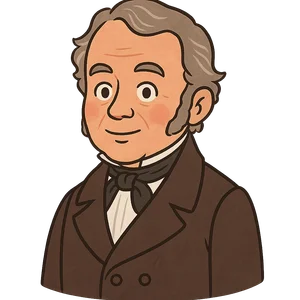
Hans Christian Ørsted
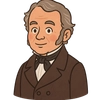
Hans Christian Ørsted was a Danish physicist and chemist who discovered in 1820 that electric currents create…
Reads at Grades 3–5 Listens at Grades 1–5
Print & create
Answer keys·No prep·Free with an account
28 worksheets · answer keys · full story · quiz · Ages 8-10 · CEFR B1
Plus adds 164,000+ more stories in 27 languages, audio for every one, and printables for all of them.
Just want Hans Christian Ørsted?
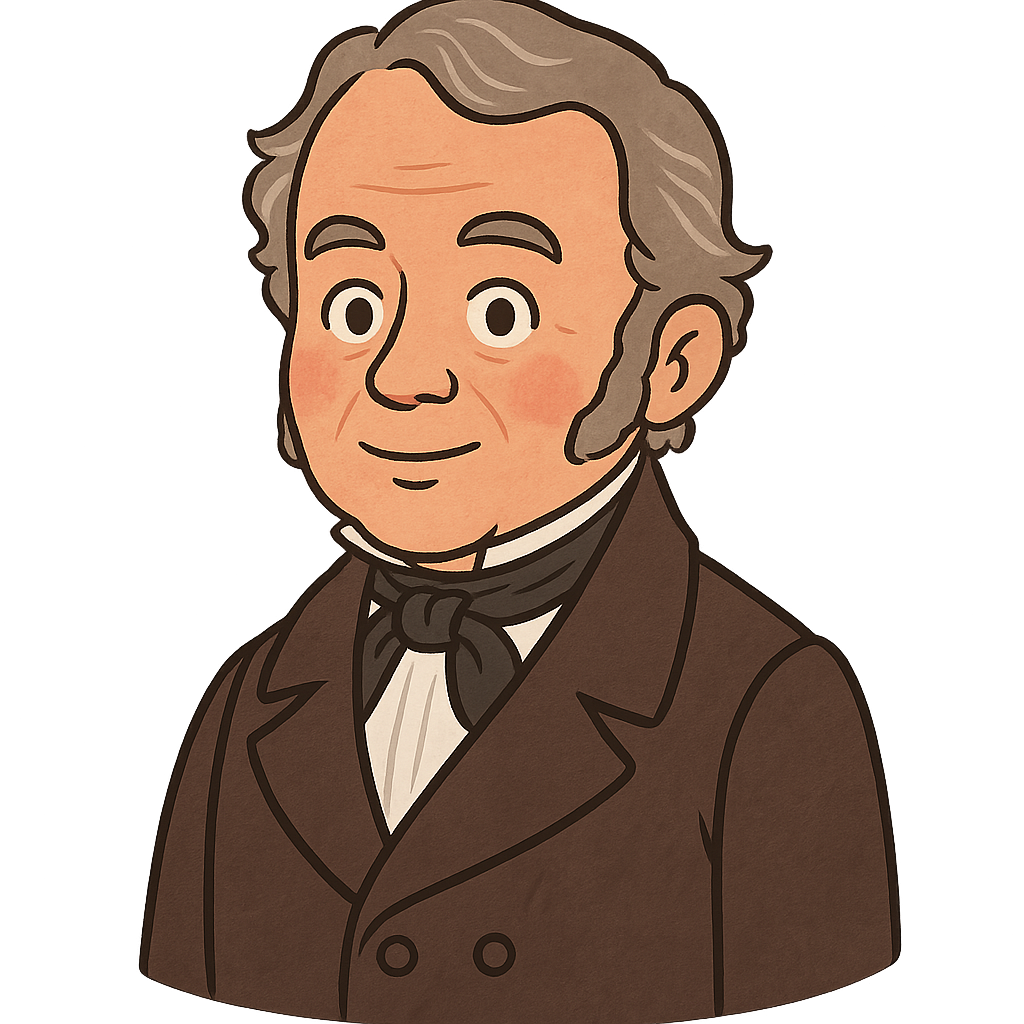
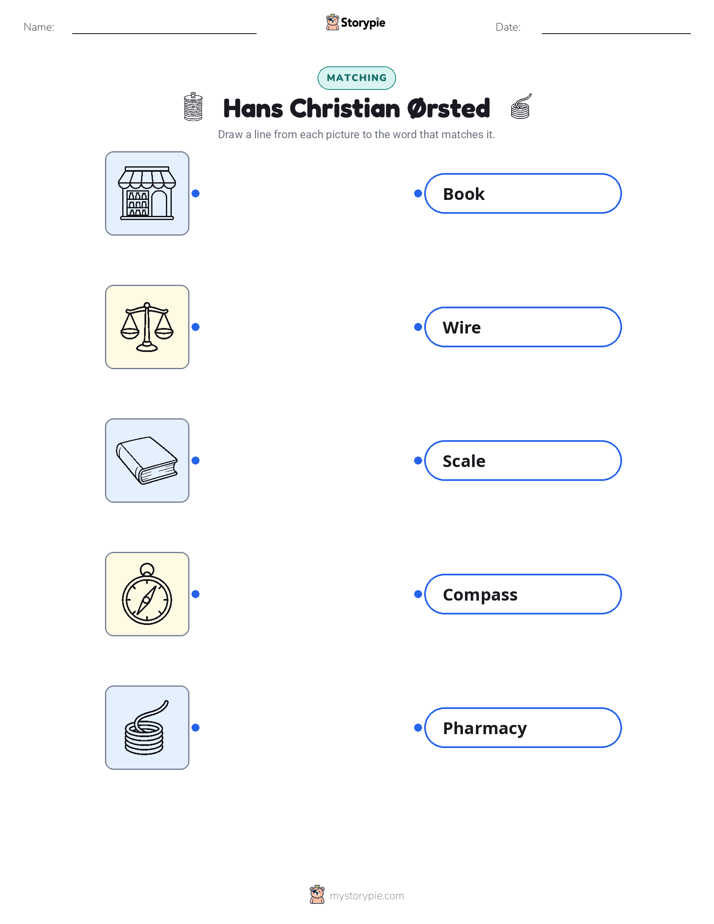
Hello! My name is Hans Christian Ørsted, and I want to tell you about my life and a discovery that sparked a whole new world of inventions. I was born on August 14th, 1777, in a small town in Denmark called Rudkøbing. My father was a pharmacist, and our home was above his shop. For my brother Anders and me, it was the most exciting place in the world! It was like a science laboratory filled with colorful liquids, strange powders, and mysterious tools. I loved watching my father work, and he let me help him mix ingredients. Watching simple things combine to make something completely new filled me with wonder and made me ask a million questions about how the world worked.
My curiosity followed me all the way to the University of Copenhagen, which I started attending in 1793. I was fascinated by the invisible forces of nature, especially electricity and magnetism. At the time, scientists knew about the electricity that made lightning flash in the sky, and they had recently learned how to create a steady flow of it using a new invention called the electric battery. They also knew about magnetism, the strange force that made a compass needle always point north. But everyone thought these two forces were completely separate. I had a feeling, a deep curiosity, that they might be connected somehow, like secret cousins. I just needed to figure out how.
The big moment came in the spring of 1820. I was a professor at the university, and I was giving a lecture to my students. On my table, I had my equipment ready: a wire that I could connect to a powerful battery, and nearby, a simple magnetic compass. As I was explaining things to my class, I connected the wire to the battery, letting the electric current flow. Out of the corner of my eye, I saw something amazing happen. The needle of the compass, which was sitting near the wire, suddenly jumped and wiggled! It wasn't pointing north anymore. My heart leaped! When I disconnected the battery, the needle swung back to pointing north. I had found it! The electricity flowing through the wire was creating its own magnetic field. Electricity and magnetism were connected! I spent the next few months doing more experiments to be sure, and on July 21st, 1820, I published my findings for the whole world to see.
Hans Christian Ørsted: The Man Who Found a Secret Connection
Hello! My name is Hans Christian Ørsted, and I want to tell you about my life and a discovery that sparked a whole new world of inventions. I was born on August 14th, 1777, in a small town in Denmark called Rudkøbing. My father was a pharmacist, and our home was above his shop. For my brother Anders and me, it was the most exciting place in the world! It was like a science laboratory filled with colorful liquids, strange powders, and mysterious tools. I loved watching my father work, and he let me help him mix ingredients. Watching simple things combine to make something completely new filled me with wonder and made me ask a million questions about how the world worked.
My curiosity followed me all the way to the University of Copenhagen, which I started attending in 1793. I was fascinated by the invisible forces of nature, especially electricity and magnetism. At the time, scientists knew about the electricity that made lightning flash in the sky, and they had recently learned how to create a steady flow of it using a new invention called the electric battery. They also knew about magnetism, the strange force that made a compass needle always point north. But everyone thought these two forces were completely separate. I had a feeling, a deep curiosity, that they might be connected somehow, like secret cousins. I just needed to figure out how.
The big moment came in the spring of 1820. I was a professor at the university, and I was giving a lecture to my students. On my table, I had my equipment ready: a wire that I could connect to a powerful battery, and nearby, a simple magnetic compass. As I was explaining things to my class, I connected the wire to the battery, letting the electric current flow. Out of the corner of my eye, I saw something amazing happen. The needle of the compass, which was sitting near the wire, suddenly jumped and wiggled! It wasn't pointing north anymore. My heart leaped! When I disconnected the battery, the needle swung back to pointing north. I had found it! The electricity flowing through the wire was creating its own magnetic field. Electricity and magnetism were connected! I spent the next few months doing more experiments to be sure, and on July 21st, 1820, I published my findings for the whole world to see.
That discovery, which we now call electromagnetism, was my most famous, but my curiosity didn't stop there. A few years later, in 1825, I became the first person to produce a small amount of the metal aluminum. It was a lumpy, gray powder, but I knew it was a brand-new element. I also believed that science wasn't just for scientists in labs; it was for everyone. I worked hard to bring science to the people of Denmark, starting schools and societies so that anyone who was curious could learn about the world.
I lived to be 73 years old, and my work continued until I passed away in 1851. My discovery that electricity could create magnetism was just the beginning. It was like opening a door that no one knew was there. Other scientists used my work to build incredible new things like the electric motor and the telegraph, which eventually led to the telephones, computers, and all the amazing electric devices you use today. So, the next time you flip a light switch or use a computer, you can think of that day in 1820 when a little compass needle wiggled and showed us the secret connection that powers our world.
Wow facts
About
Hans Christian Ørsted was a Danish physicist and chemist who discovered in 1820 that electric currents create magnetic fields, a fundamental principle of electromagnetism.
Take a Quiz
Question 1 of 5
What happened to the compass needle when I connected the wire to the battery during my lecture in 1820?
Explore next


Want to do even more?
Go beyond exploring. Unlock tools that turn every story into real learning.

Storypie Plus for families
Full stories, quizzes, and printables. Nights and car rides, sorted.
- Unlimited audio stories
- Create Mode: your child stars in the story
- Offline downloads
- Printable worksheets & coloring pages

Why Storypie for Schools
Students engaged. Prep in seconds. Evenings back to you.
- Worksheets & Quizzes
- Classroom Management
- Formative Assessment
- Custom Curriculum & Lesson Plans
- 27 Languages

Why Storypie for Homeschool
Curriculum done. They'll ask for more. Hours back in your day.
- Worksheet Generator
- First-Person Audio Stories
- Built-in Comprehension Quizzes
- Custom Curriculum & Lesson Plans
- Print & Go Activities