English

Bureaucracy
A system for organizing people and work in large groups, like governments or companies…
Reads at Grades 6–8 Listens at Grades 4–8
 Screen-free speaker. Built for your kids.
No card, no commitment. One email when there is real news, and one click to stop.
Print & create
Answer keys·No prep·Free with an account
28 worksheets · answer keys · full story · quiz · Ages 10-12 · CEFR B2
Plus adds 102,000+ more stories in 27 languages, audio for every one, and printables for all of them.
Just want Bureaucracy?
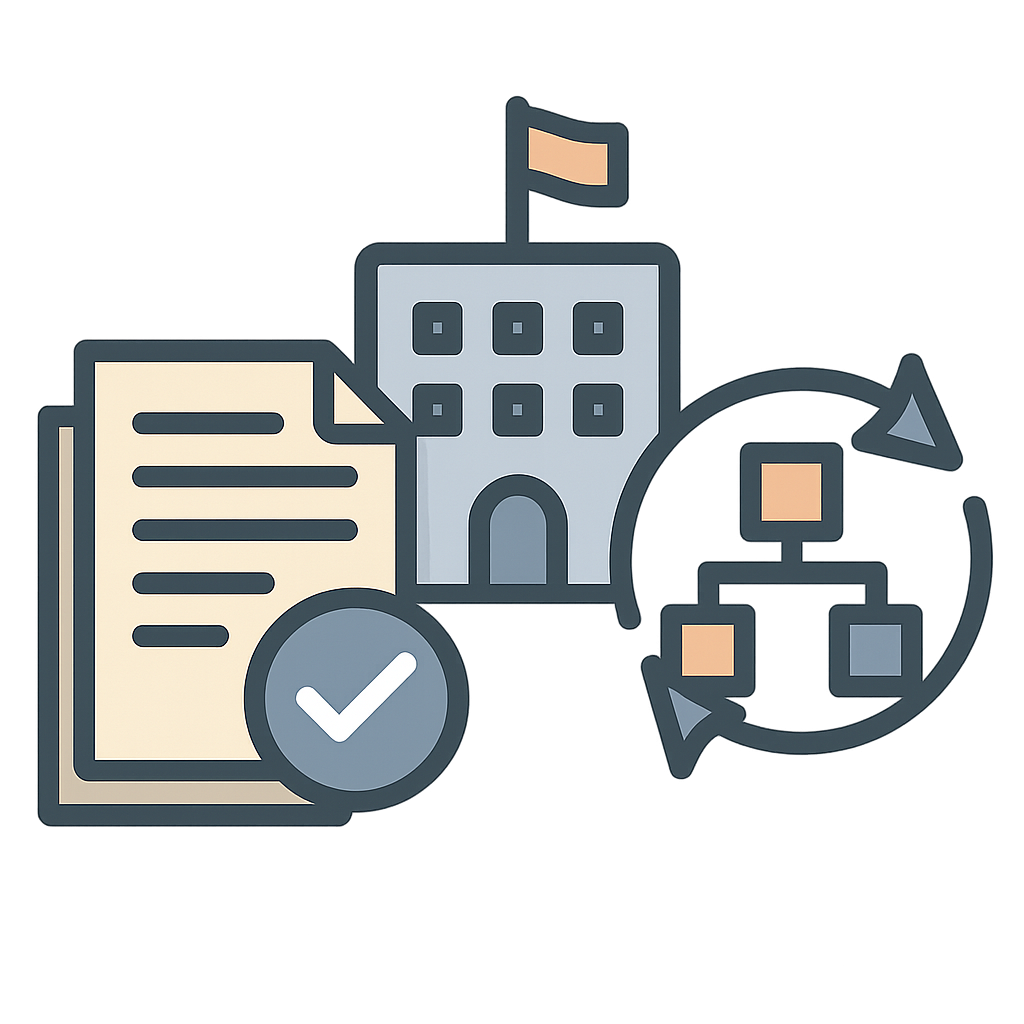
Have you ever looked at the world around you and wondered how the really enormous projects get done. Not just building a sandcastle, but building a city. Not just mailing one letter, but running a postal service for an entire nation. How does a library with a million books make sure you can find the exact one you’re looking for. How did ancient builders, thousands of years ago, coordinate the labor of countless people to raise the great pyramids from the desert sand, each stone weighing more than a car. The answer isn't a single brilliant mind or a magical spell. The answer is a plan, a system, an invisible architecture of rules and roles that guides every action toward a common goal. I am that architecture. I am the quiet, steady hum of a well-run hospital, where patient records are kept carefully so doctors have the right information. I am the intricate, invisible path a package takes across the world to arrive at your door, tracked and transported by people following a precise set of steps. I am the detailed checklist that keeps astronauts safe as they hurtle through space, a written promise that no critical procedure is ever forgotten. I exist in the quiet rustle of papers being filed, the orderly queues that ensure fairness, and the shared understanding that makes teamwork on a massive scale not just possible, but powerful. I am the secret to getting big things done together. You can call me Bureaucracy.
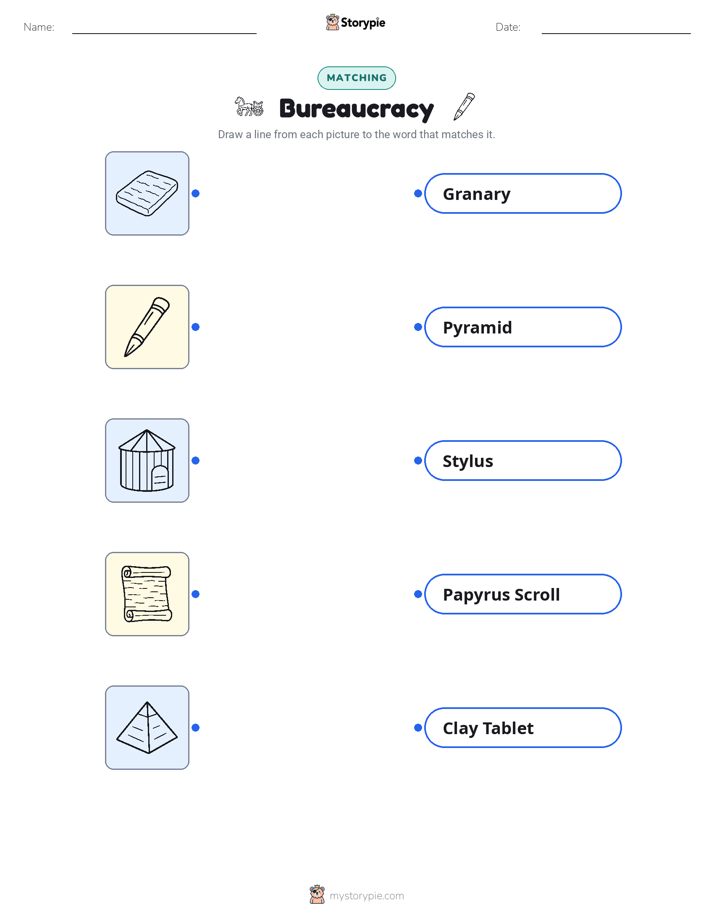
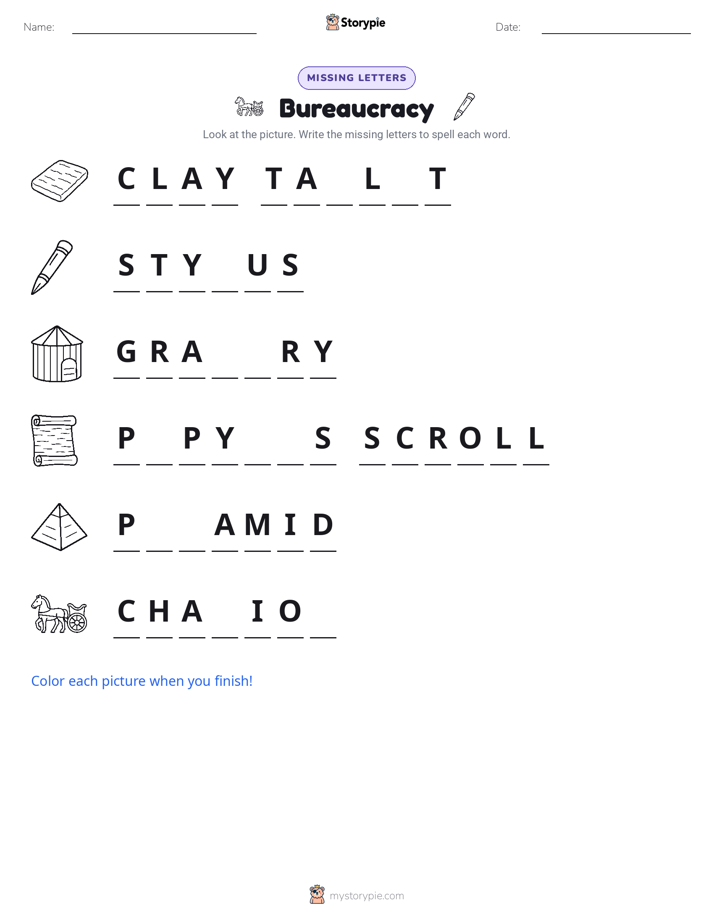
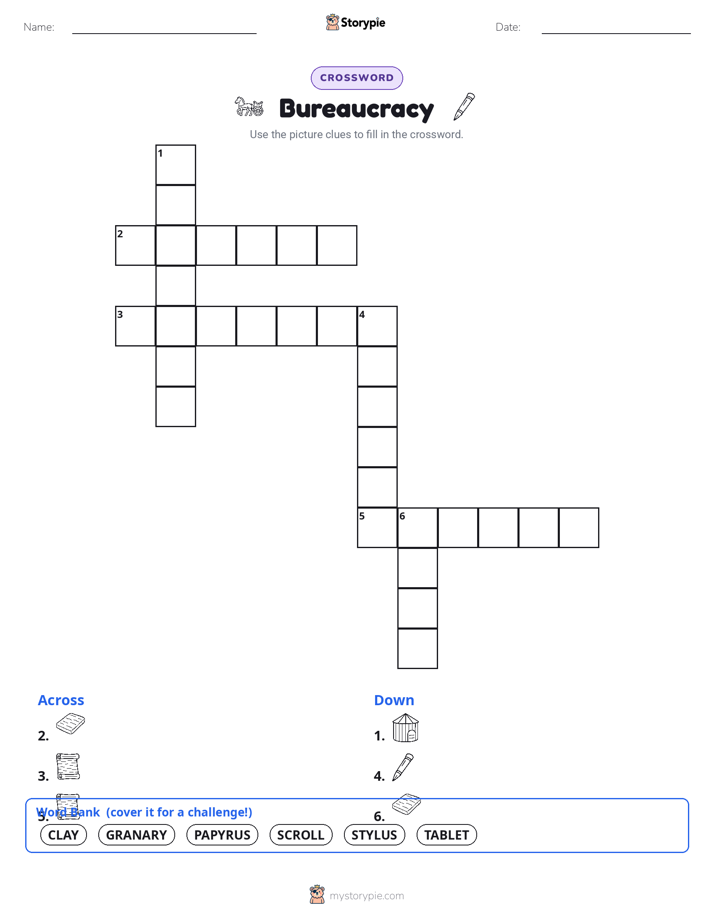
My story is as old as civilization itself, though I didn't have a name for most of it. I was born from a simple need: to remember. Imagine the world of ancient Sumer, around 3500 BCE. Cities were growing, and farmers were bringing vast amounts of grain into shared storehouses. How could anyone keep track of it all. That's where I came in, carried on the tip of a stylus. Scribes, the world's first accountants, began pressing marks into wet clay tablets, creating detailed records of who brought what and how much. Those lists, those inventories, were my earliest form—a system for organizing a community's wealth. From there, I traveled down the Nile River to Ancient Egypt around 2600 BCE. Pharaohs had a monumental task: building the pyramids. This required organizing tens of thousands of workers, quarrying and moving massive stones, and distributing food and tools. I was the plan. I was the system of overseers and scribes who recorded rations, assigned tasks, and tracked progress. Without me, the pyramids would have been nothing more than a chaotic pile of rocks. My biggest leap forward, however, happened much later and farther east, in China during the powerful Han Dynasty, which began around 206 BCE. For centuries, important government jobs had been given to the sons of wealthy and powerful families. But the Han emperors had a revolutionary idea: what if jobs were given to the most capable people, regardless of their birth. To make this happen, they created me in a new form: the civil service examination system. For the first time in history, any man could study the classics, take a difficult series of tests, and earn a position as a government official based on his own merit and knowledge. This was a profound shift. It made the government more efficient and fair, and it gave people a path to improve their lives through education. It was an idea so powerful that it would influence governments for the next two thousand years. For millennia, I worked without a proper name. People used me, relied on me, and built empires with my help, but they simply called me 'the administration' or 'the system'. It wasn't until the 18th century in France that I was officially christened. An economist named Vincent de Gournay, observing the growing number of government officials sitting at their desks, or 'bureaus', combined that word with a Greek root for 'rule'. He called me 'Bureaucracy,' which literally means 'rule from a desk'. The name stuck, though sometimes people said it with a sigh. Finally, in the early 20th century, a brilliant German sociologist named Max Weber took a long, serious look at me. He wasn't interested in complaining; he wanted to understand how I worked. Weber saw that when I was at my best, I was the most rational, impartial, and efficient way to run large organizations. My power, he explained, came from my key features: a clear hierarchy, written rules that apply to everyone equally, and officials chosen for their expertise. He saw that I could be a force for fairness, protecting people from the whims of unpredictable rulers.
The Great Organizer
Have you ever looked at the world around you and wondered how the really enormous projects get done. Not just building a sandcastle, but building a city. Not just mailing one letter, but running a postal service for an entire nation. How does a library with a million books make sure you can find the exact one you’re looking for. How did ancient builders, thousands of years ago, coordinate the labor of countless people to raise the great pyramids from the desert sand, each stone weighing more than a car. The answer isn't a single brilliant mind or a magical spell. The answer is a plan, a system, an invisible architecture of rules and roles that guides every action toward a common goal. I am that architecture. I am the quiet, steady hum of a well-run hospital, where patient records are kept carefully so doctors have the right information. I am the intricate, invisible path a package takes across the world to arrive at your door, tracked and transported by people following a precise set of steps. I am the detailed checklist that keeps astronauts safe as they hurtle through space, a written promise that no critical procedure is ever forgotten. I exist in the quiet rustle of papers being filed, the orderly queues that ensure fairness, and the shared understanding that makes teamwork on a massive scale not just possible, but powerful. I am the secret to getting big things done together. You can call me Bureaucracy.
My story is as old as civilization itself, though I didn't have a name for most of it. I was born from a simple need: to remember. Imagine the world of ancient Sumer, around 3500 BCE. Cities were growing, and farmers were bringing vast amounts of grain into shared storehouses. How could anyone keep track of it all. That's where I came in, carried on the tip of a stylus. Scribes, the world's first accountants, began pressing marks into wet clay tablets, creating detailed records of who brought what and how much. Those lists, those inventories, were my earliest form—a system for organizing a community's wealth. From there, I traveled down the Nile River to Ancient Egypt around 2600 BCE. Pharaohs had a monumental task: building the pyramids. This required organizing tens of thousands of workers, quarrying and moving massive stones, and distributing food and tools. I was the plan. I was the system of overseers and scribes who recorded rations, assigned tasks, and tracked progress. Without me, the pyramids would have been nothing more than a chaotic pile of rocks. My biggest leap forward, however, happened much later and farther east, in China during the powerful Han Dynasty, which began around 206 BCE. For centuries, important government jobs had been given to the sons of wealthy and powerful families. But the Han emperors had a revolutionary idea: what if jobs were given to the most capable people, regardless of their birth. To make this happen, they created me in a new form: the civil service examination system. For the first time in history, any man could study the classics, take a difficult series of tests, and earn a position as a government official based on his own merit and knowledge. This was a profound shift. It made the government more efficient and fair, and it gave people a path to improve their lives through education. It was an idea so powerful that it would influence governments for the next two thousand years. For millennia, I worked without a proper name. People used me, relied on me, and built empires with my help, but they simply called me 'the administration' or 'the system'. It wasn't until the 18th century in France that I was officially christened. An economist named Vincent de Gournay, observing the growing number of government officials sitting at their desks, or 'bureaus', combined that word with a Greek root for 'rule'. He called me 'Bureaucracy,' which literally means 'rule from a desk'. The name stuck, though sometimes people said it with a sigh. Finally, in the early 20th century, a brilliant German sociologist named Max Weber took a long, serious look at me. He wasn't interested in complaining; he wanted to understand how I worked. Weber saw that when I was at my best, I was the most rational, impartial, and efficient way to run large organizations. My power, he explained, came from my key features: a clear hierarchy, written rules that apply to everyone equally, and officials chosen for their expertise. He saw that I could be a force for fairness, protecting people from the whims of unpredictable rulers.
My long journey through history has brought me right into your world, where I work quietly in the background of your everyday life. When you go to school, I am the administration that creates class schedules, keeps track of attendance, and makes sure your report card gets to your parents. I am the system that ensures your teachers are qualified and that the school building is safe. When your parents go to the Department of Motor Vehicles, I am the set of procedures that ensures every driver on the road has passed a test and knows the rules, making travel safer for everyone. I'm there when a new public park is designed and built, managing the plans and the budget to create a space for the whole community to enjoy. I am the Dewey Decimal System in your library, an organized plan that allows millions of books to be arranged so that anyone can find the exact story or piece of information they need. Now, I know I don't always have the best reputation. You've probably heard adults complain about me, using phrases like 'red tape' to describe my forms and procedures. It's true that sometimes, my rules can feel slow or overly complicated. But there is a reason for that caution. My main purpose is to treat everyone the same, whether they are rich or poor, famous or unknown. To do that, I must have clear, written rules that are followed for every single person. This process of being careful and fair for a huge number of people can take time. It prevents favoritism and ensures that decisions are made based on established principles, not personal feelings. So while it may feel frustrating, that red tape is often a shield protecting fairness. I am the quiet, steady force that allows communities to work together to achieve amazing things. From building bridges that connect cities to launching rockets that explore the cosmos, I help turn humanity's biggest ideas into reality, one organized, documented, and deliberate step at a time.
Wow facts
About
A system for organizing people and work in large groups, like governments or companies, based on a hierarchy of officials, fixed rules, and specialized roles.
Take a Quiz
Question 1 of 5
What is the main idea of the story?
Explore next



Want to do even more?
Go beyond exploring. Unlock tools that turn every story into real learning.

Storypie Plus for families
Full stories, quizzes, and printables. Nights and car rides, sorted.
- Unlimited audio stories
- Create Mode: your child stars in the story
- Offline downloads
- Printable worksheets & coloring pages

Why Storypie for Schools
Students engaged. Prep in seconds. Evenings back to you.
- Worksheets & Quizzes
- Classroom Management
- Formative Assessment
- Custom Curriculum & Lesson Plans
- 27 Languages

Why Storypie for Homeschool
Curriculum done. They'll ask for more. Hours back in your day.
- Worksheet Generator
- First-Person Audio Stories
- Built-in Comprehension Quizzes
- Custom Curriculum & Lesson Plans
- Print & Go Activities