English

Samba
Samba is a Brazilian musical genre and dance style with its roots in Africa…
Reads at Grades 6–8 Listens at Grades 4–8
Print & create
Answer keys·No prep·Free with an account
28 worksheets · answer keys · full story · quiz · Ages 10-12 · CEFR B2
Plus adds 164,000+ more stories in 27 languages, audio for every one, and printables for all of them.
Just want Samba?
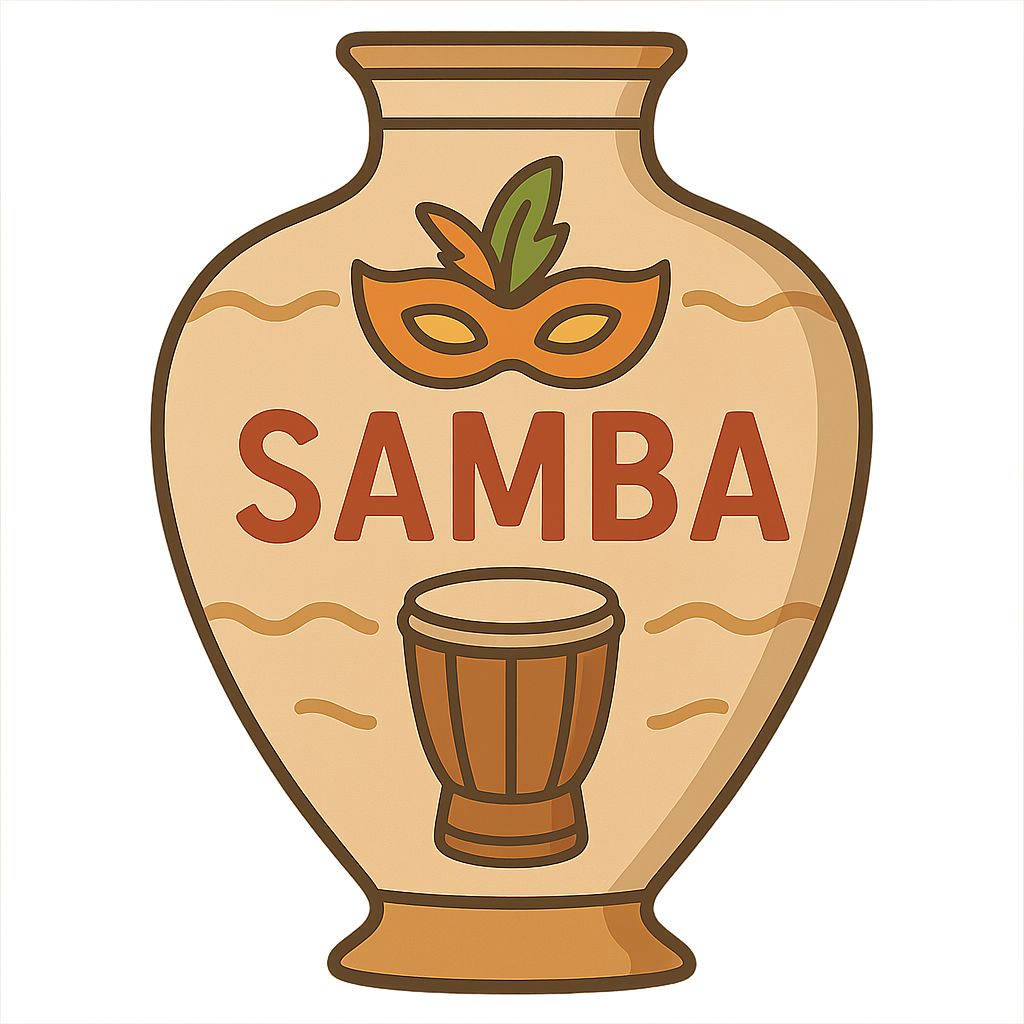
Before you knew my name, you felt my presence. I am the deep, resonant thrum of the atabaque drum, a sound that feels as old as the earth itself. I am the crisp rustle of a shaker, like water rushing over stones, and the bright, cheerful strum of a cavaquinho, a small guitar whose notes dance in the air. Imagine a warm, humid night, a space filled with people whose feet refuse to stay still. They are moved by a rhythm that connects them, a pulse of pure joy that feels both ancient and brand new. I existed as this energy long before I was given a formal name. I am the spirit that makes you want to move, to sing, to celebrate life with every part of your being. I am the living, breathing soul of a nation. I am Samba.
My story did not begin in one single place or on one specific day. It is a story of a long journey. I was born in the hearts and memories of African people who were taken from their homes in places like Angola and the Congo, beginning in the 16th century. They were forced to cross the vast Atlantic Ocean and brought to a new land called Brazil. In this strange and often cruel place, they held onto me as a link to their past and a source of strength for their future. In the 19th century, in a northeastern region of Brazil called Bahia, I truly began to take shape. There, I became known as the 'Samba de Roda,' or circle samba. Picture it: a circle of people clapping complex rhythms with their hands, singing in a call-and-response pattern, while one dancer at a time spins, leaps, and moves with incredible skill and spirit in the center. This was my childhood, a powerful expression of community and resilience.
I Am Samba: The Heartbeat of Brazil
Before you knew my name, you felt my presence. I am the deep, resonant thrum of the atabaque drum, a sound that feels as old as the earth itself. I am the crisp rustle of a shaker, like water rushing over stones, and the bright, cheerful strum of a cavaquinho, a small guitar whose notes dance in the air. Imagine a warm, humid night, a space filled with people whose feet refuse to stay still. They are moved by a rhythm that connects them, a pulse of pure joy that feels both ancient and brand new. I existed as this energy long before I was given a formal name. I am the spirit that makes you want to move, to sing, to celebrate life with every part of your being. I am the living, breathing soul of a nation. I am Samba.
My story did not begin in one single place or on one specific day. It is a story of a long journey. I was born in the hearts and memories of African people who were taken from their homes in places like Angola and the Congo, beginning in the 16th century. They were forced to cross the vast Atlantic Ocean and brought to a new land called Brazil. In this strange and often cruel place, they held onto me as a link to their past and a source of strength for their future. In the 19th century, in a northeastern region of Brazil called Bahia, I truly began to take shape. There, I became known as the 'Samba de Roda,' or circle samba. Picture it: a circle of people clapping complex rhythms with their hands, singing in a call-and-response pattern, while one dancer at a time spins, leaps, and moves with incredible skill and spirit in the center. This was my childhood, a powerful expression of community and resilience.
As the 19th century came to a close, many Afro-Brazilians, including the strong women known as the 'Tias Baianas' or 'Bahian Aunts,' moved south to the bustling city of Rio de Janeiro. They brought me with them, tucked away in their songs and their steps. My new home was often in the backyard of a woman named Tia Ciata. Her house was a sanctuary, a place where musicians, dancers, and poets could gather freely to let me grow and evolve. It was there, in that vibrant community, that a pivotal moment in my life occurred. On November 27th, 1916, a musician named Ernesto dos Santos, better known as Donga, registered a song at the National Library. It was called 'Pelo Telefone,' or 'On the Telephone,' and it is remembered as the first song to ever be officially recorded as a 'samba.' For the first time, I had my name on paper. But my journey wasn't easy. Because I was born from Afro-Brazilian culture, the authorities were often suspicious of me. The police would sometimes raid gatherings and try to silence my drums, viewing my joy as a threat. But my spirit was woven from something far too powerful to be stopped.
My true moment in the spotlight arrived with Brazil's biggest celebration: Carnival. I became its official soundtrack, its very heartbeat. In 1928, a group of musicians in the Estácio neighborhood of Rio, led by a man named Ismael Silva, created something new: the very first 'escola de samba,' or samba school. They called it 'Deixa Falar,' which means 'Let Them Talk.' These schools weren't for formal lessons; they were, and still are, huge community clubs where people from a neighborhood work all year long to prepare for the great Carnival parade. They compose new songs, build enormous, elaborate floats, and create thousands of dazzling, feathered costumes. The competition culminates in a spectacular parade down a special avenue built just for me, the Sambadrome, where thousands of performers dance and sing their hearts out. By the 1930s, the Brazilian government, which had once tried to silence me, began to celebrate me. I was no longer just the music of a specific community; I had become a proud symbol of all of Brazil.
My rhythm, once confined to the backyards of Bahia and the hills of Rio, has since traveled the globe. In the 1950s and 1960s, my complex beats and passionate melodies helped give birth to a new, smoother sound called Bossa Nova, which captivated the world. You can hear me in movies, at international music festivals, and in dance classes on every continent. But I am more than just music and dance. I am a living history, a story of survival against unimaginable hardship. I am proof that joy can be a form of resistance and that culture is a treasure to be protected. My heartbeat connects people across time and distance, from the ancestors who first carried me across the sea to the children learning my steps today. I remind everyone to find their own rhythm, to celebrate their heritage, and to always, always dance together.
Wow facts
About
Samba is a Brazilian musical genre and dance style with its roots in Africa, which developed in the communities of former enslaved people in Brazil and became a symbol of Brazilian national identity.
Take a Quiz
Question 1 of 5
Using details from the story, retell Samba's journey from its origins in Africa to becoming a star in Rio's Carnival.
Explore next


Want to do even more?
Go beyond exploring. Unlock tools that turn every story into real learning.

Storypie Plus for families
Full stories, quizzes, and printables. Nights and car rides, sorted.
- Unlimited audio stories
- Create Mode: your child stars in the story
- Offline downloads
- Printable worksheets & coloring pages

Why Storypie for Schools
Students engaged. Prep in seconds. Evenings back to you.
- Worksheets & Quizzes
- Classroom Management
- Formative Assessment
- Custom Curriculum & Lesson Plans
- 27 Languages

Why Storypie for Homeschool
Curriculum done. They'll ask for more. Hours back in your day.
- Worksheet Generator
- First-Person Audio Stories
- Built-in Comprehension Quizzes
- Custom Curriculum & Lesson Plans
- Print & Go Activities