English

Mechanical Clock
A device that measures the passage of time using a system of gears, weights or springs…
Reads at Grades K-2 Listens at K–3
Print & create
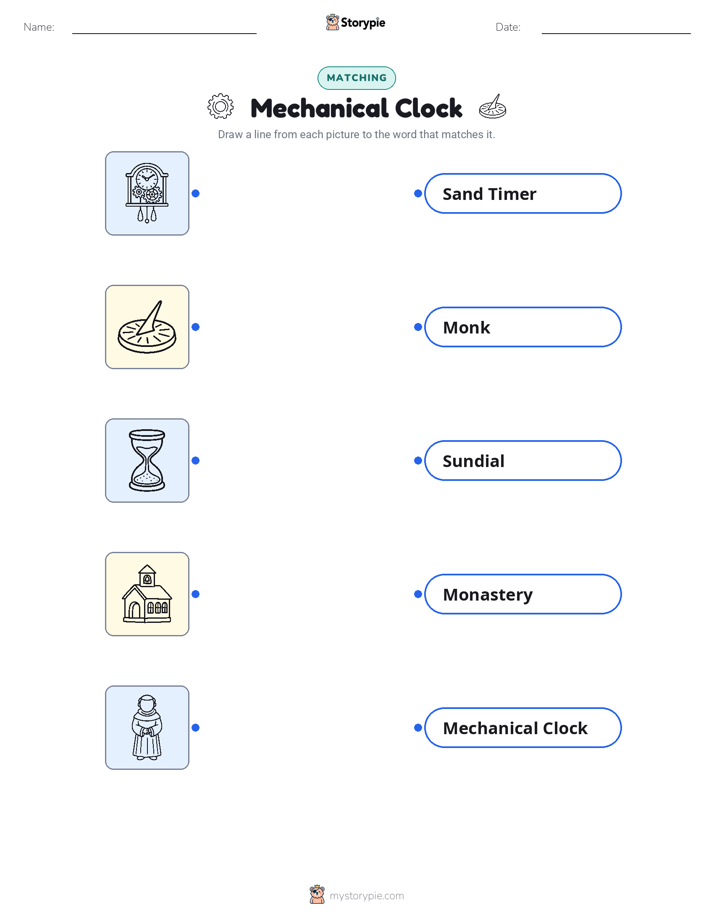
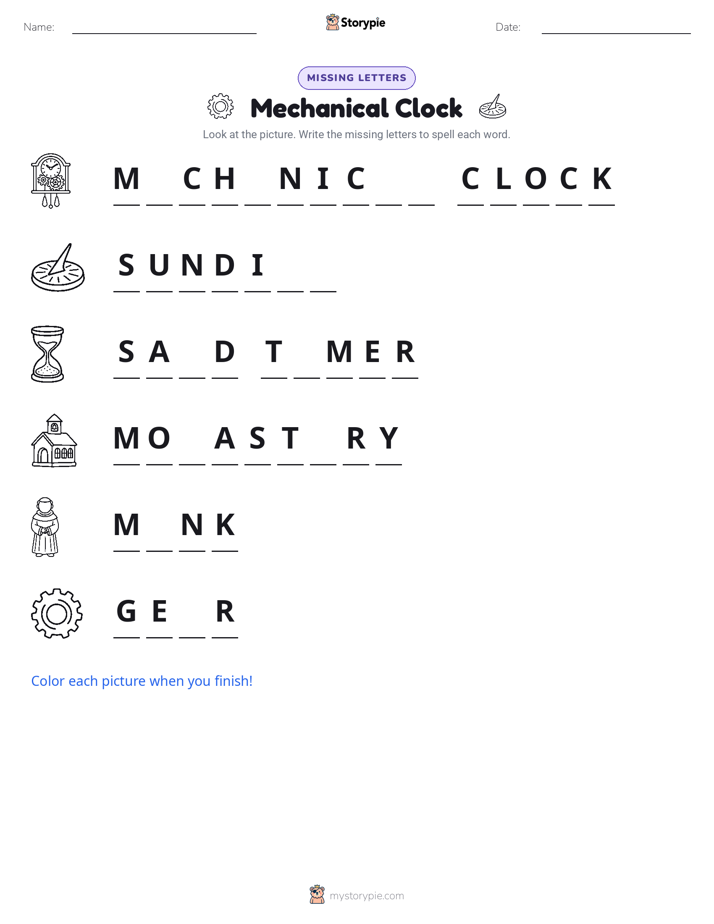
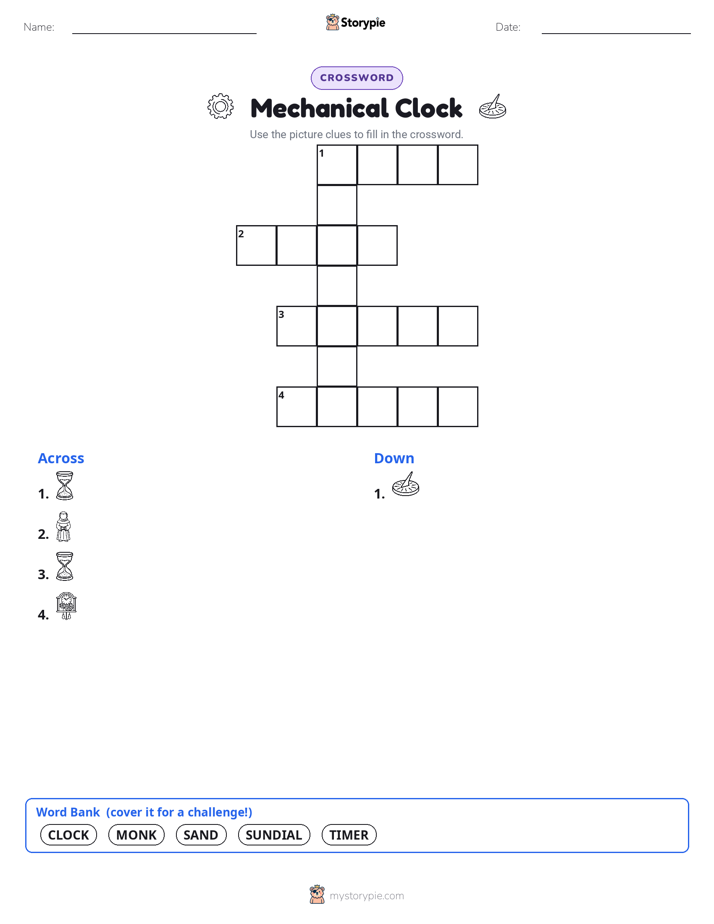
Answer keys·No prep·Free with an account
28 worksheets · answer keys · full story · quiz · Ages 6-8 · CEFR A2
Plus adds 164,000+ more stories in 27 languages, audio for every one, and printables for all of them.
Just want Mechanical Clock?
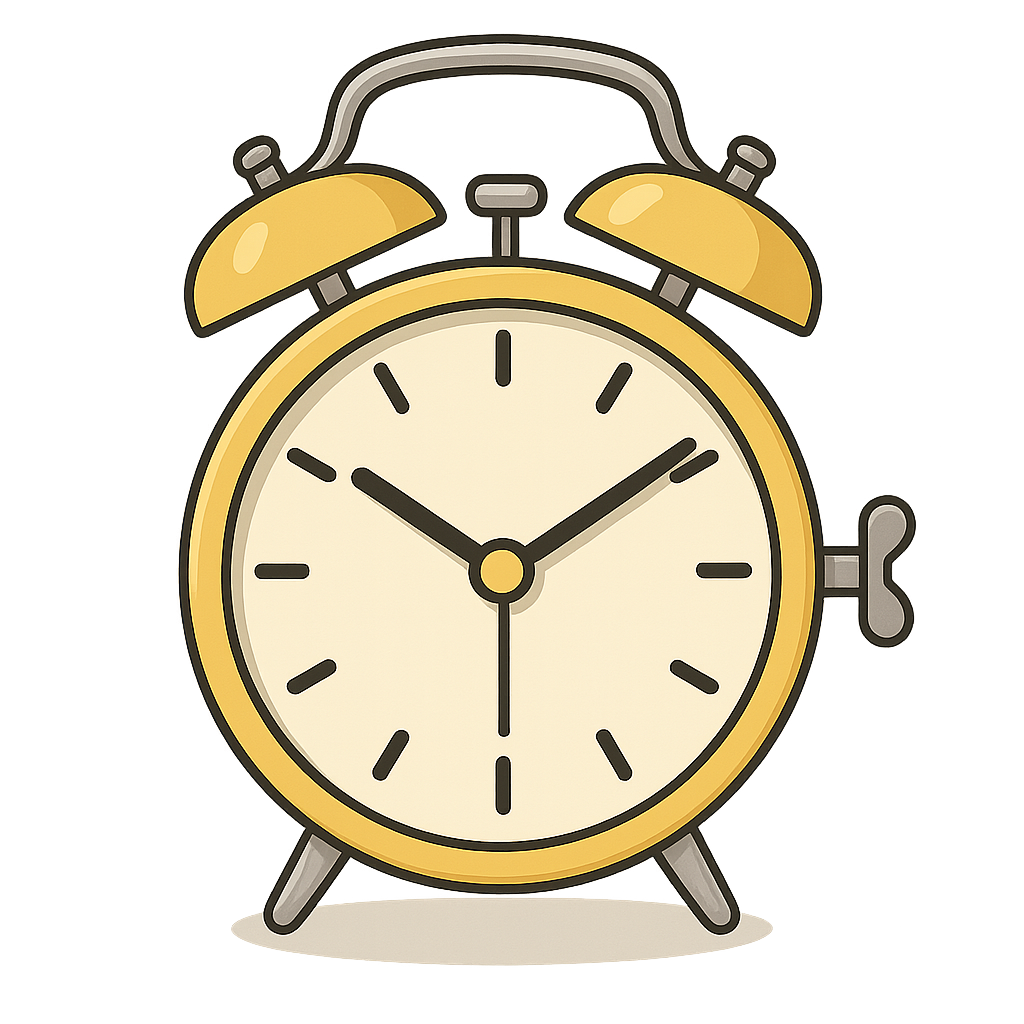
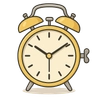
Hello there! My name is a bit of a mouthful, they call me a mechanical clock. But you can just listen for my friendly sound: tick-tock, tick-tock. When I have something important to say, like a new hour has started, I let out a big, happy DING-DONG! Before I came along, telling time was very tricky. People used sundials, but what happened on a cloudy day? No time! They tried water clocks, but they could be drippy and messy. I was born a very, very long time ago, way back in the late 1200s. I was a brand-new idea, created to help everyone know the time, whether the sun was shining bright or the moon was sleeping in the night sky. I was built to be steady and reliable, a friend everyone could count on.
My story begins in quiet monasteries in Europe. Clever monks needed a way to know exactly when it was time for their prayers, day and night. So, they gathered their tools and their big ideas and brought me to life! It might seem like magic, but how I work is quite simple. Heavy weights hang from ropes, and as gravity pulls them down, they turn my big, metal gears. Round and round they go. The most special part of me is my 'heart,' which is called an escapement. It's the part that makes my gentle 'tick-tock' sound. It stops my gears from spinning wildly and makes sure I keep a steady, even pace. My first homes weren't in houses, but way up high in tall church towers. One of my famous relatives is the Salisbury Cathedral clock, which started ticking around the year 1386. At first, I didn't even have a face with hands pointing to the numbers. I just had a loud bell. When the hour came, I would ring it loud and clear so the whole town would hear me and know the time.
The Story of the Mechanical Clock
Hello there! My name is a bit of a mouthful, they call me a mechanical clock. But you can just listen for my friendly sound: tick-tock, tick-tock. When I have something important to say, like a new hour has started, I let out a big, happy DING-DONG! Before I came along, telling time was very tricky. People used sundials, but what happened on a cloudy day? No time! They tried water clocks, but they could be drippy and messy. I was born a very, very long time ago, way back in the late 1200s. I was a brand-new idea, created to help everyone know the time, whether the sun was shining bright or the moon was sleeping in the night sky. I was built to be steady and reliable, a friend everyone could count on.
My story begins in quiet monasteries in Europe. Clever monks needed a way to know exactly when it was time for their prayers, day and night. So, they gathered their tools and their big ideas and brought me to life! It might seem like magic, but how I work is quite simple. Heavy weights hang from ropes, and as gravity pulls them down, they turn my big, metal gears. Round and round they go. The most special part of me is my 'heart,' which is called an escapement. It's the part that makes my gentle 'tick-tock' sound. It stops my gears from spinning wildly and makes sure I keep a steady, even pace. My first homes weren't in houses, but way up high in tall church towers. One of my famous relatives is the Salisbury Cathedral clock, which started ticking around the year 1386. At first, I didn't even have a face with hands pointing to the numbers. I just had a loud bell. When the hour came, I would ring it loud and clear so the whole town would hear me and know the time.
Once I started chiming from the tall towers, everything began to change. For the first time, everyone in town could share the same time. The farmers knew when to bring their vegetables to the market. The workers knew when their day should start and end. And families knew when it was time to gather for dinner. I helped whole communities work together like, well, clockwork! Over hundreds of years, many brilliant people worked hard to make me better. They made me smaller, so I could fit inside homes. They made me more accurate, so I was always right on time. My simple idea of gears and springs inspired so many others. It led to beautiful grandfather clocks that stand in hallways, cheerful cuckoo clocks that pop out from walls, and even the tiny digital clocks you see on phones and computers today. I am so proud that my steady tick-tocking heart helped organize the world. And I still love helping you know exactly when it's time to learn, time to play, and time to rest.
Wow facts
About
A device that measures the passage of time using a system of gears, weights or springs, and an oscillating mechanism, without using electricity. It revolutionized how societies organized their day.
Take a Quiz
Question 1 of 4
Why did the monks first build the mechanical clock?
Explore next




Want to do even more?
Go beyond exploring. Unlock tools that turn every story into real learning.

Storypie Plus for families
Full stories, quizzes, and printables. Nights and car rides, sorted.
- Unlimited audio stories
- Create Mode: your child stars in the story
- Offline downloads
- Printable worksheets & coloring pages

Why Storypie for Schools
Students engaged. Prep in seconds. Evenings back to you.
- Worksheets & Quizzes
- Classroom Management
- Formative Assessment
- Custom Curriculum & Lesson Plans
- 27 Languages

Why Storypie for Homeschool
Curriculum done. They'll ask for more. Hours back in your day.
- Worksheet Generator
- First-Person Audio Stories
- Built-in Comprehension Quizzes
- Custom Curriculum & Lesson Plans
- Print & Go Activities