English

Kenya Wildlife Service
A Kenyan state corporation that conserves and manages the nation's wildlife for its people and the world by…
Reads at Grades 6–8 Listens at Grades 4–8
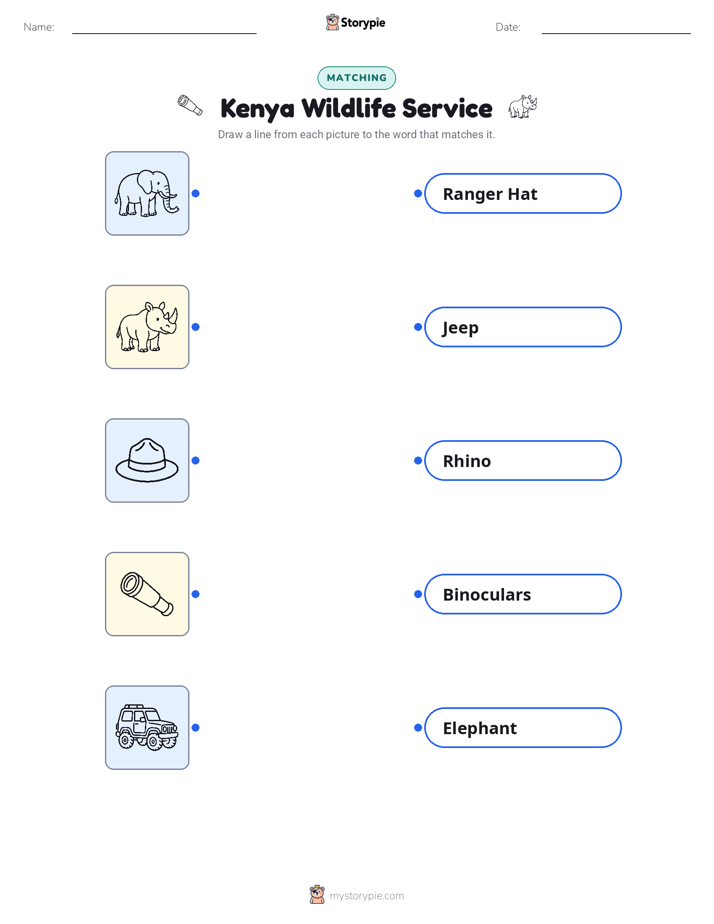
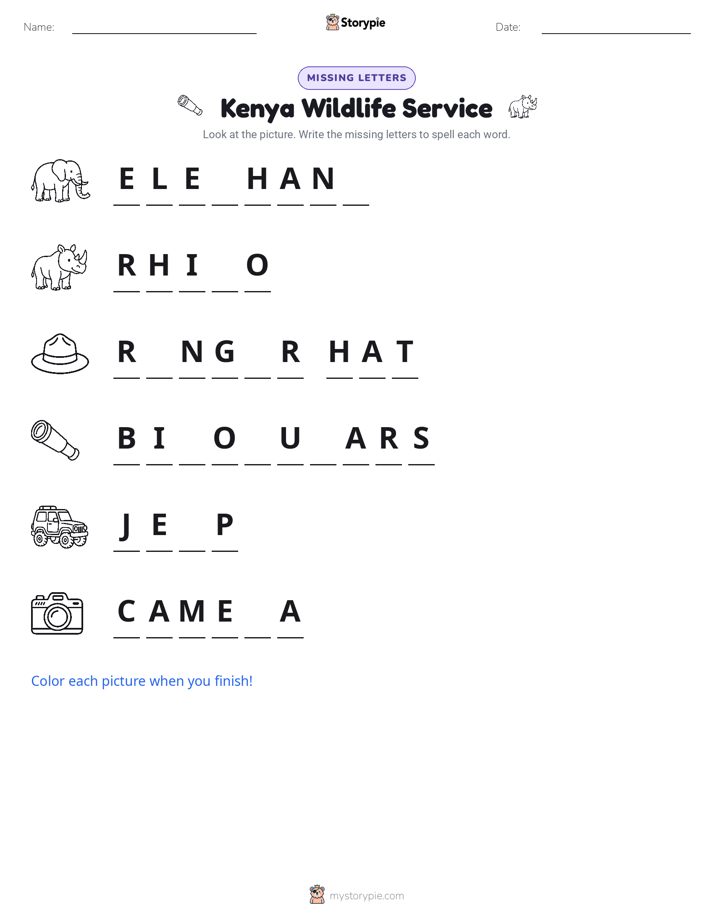
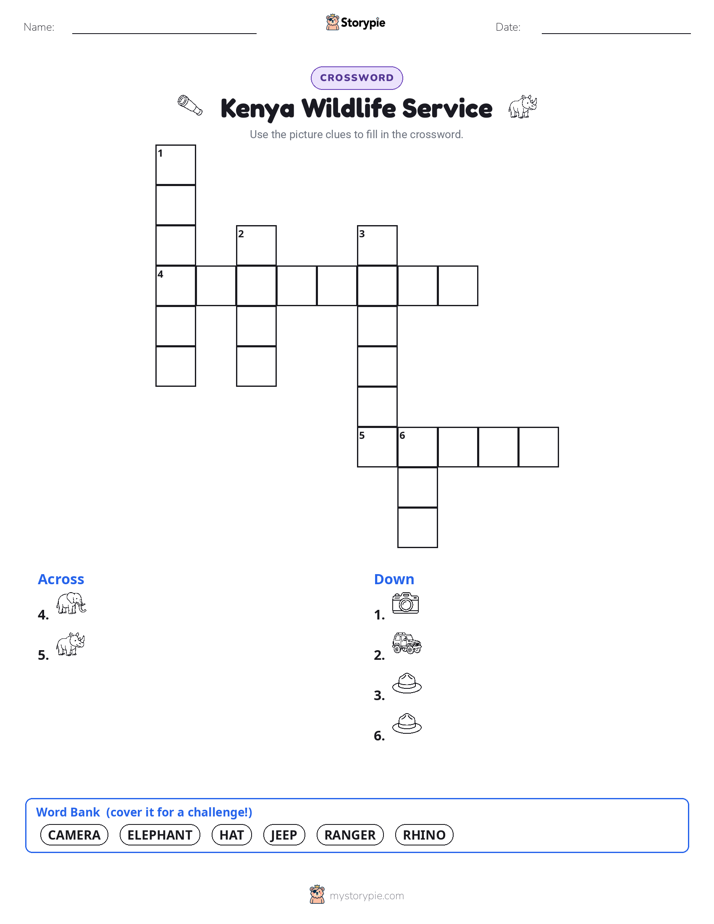
Print & create
Answer keys·No prep·Free with an account
28 worksheets · answer keys · full story · quiz · Ages 10-12 · CEFR B2
Plus adds 116,000+ more stories in 27 languages, audio for every one, and printables for all of them.
Just want Kenya Wildlife Service?
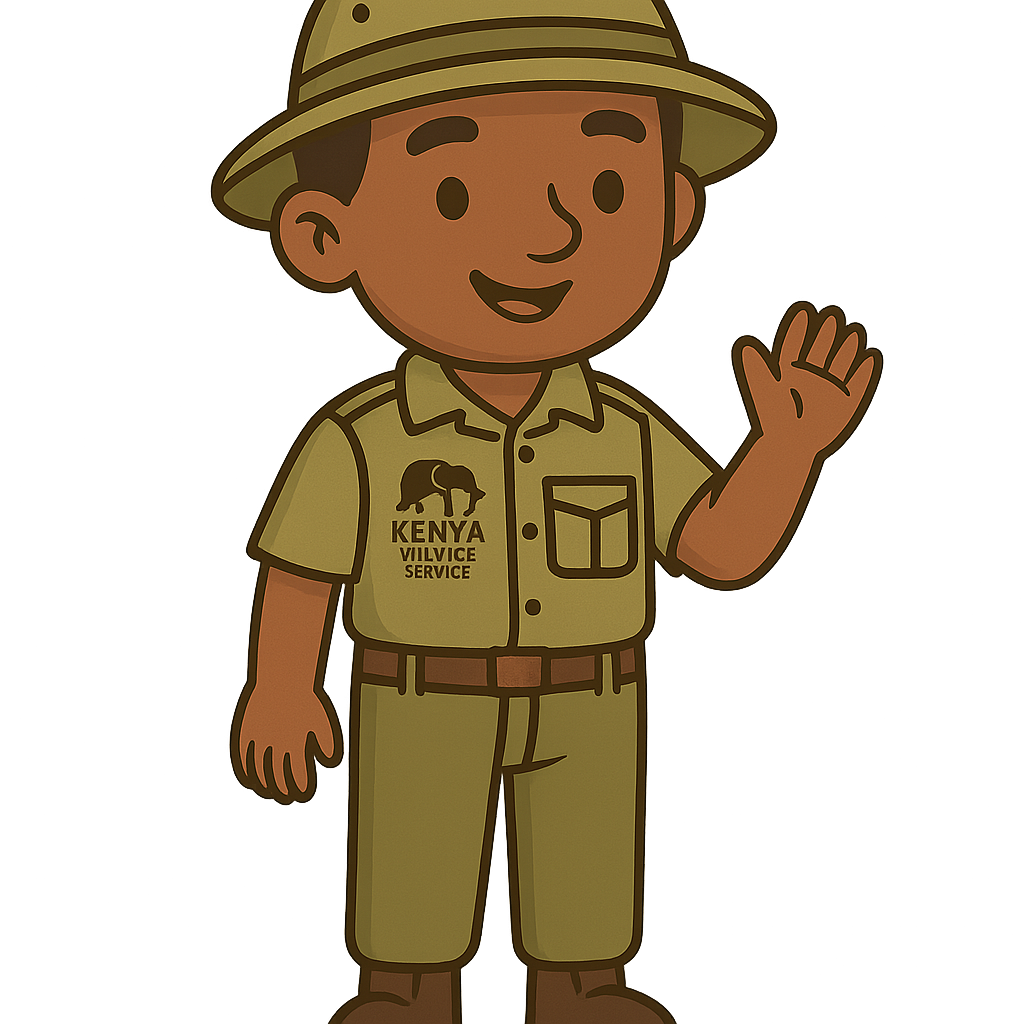
We are the Kenya Wildlife Service, an organization most people know by our acronym, KWS. Our story began in 1989, when the government of Kenya decided to create a single, dedicated agency to oversee the country’s natural heritage. Before we were formed, this important work was split between two older departments. By combining them, the government established a more focused and effective organization to carry out a vital mission. Our primary purpose is to conserve and manage all of Kenya’s incredible wildlife. This responsibility covers everything from the smallest insects and reptiles to the largest and most famous mammals, like lions, giraffes, and elephants. We do this work for the benefit of the people of Kenya and for the entire world, because these animals are a global treasure. Our main headquarters are located in the capital city, Nairobi, situated right next to the world-renowned Nairobi National Park.
Our responsibilities are vast and varied, extending across the entire country. We are the guardians of Kenya's national parks, national reserves, and marine protected areas. These are some of the most famous and ecologically important places on Earth. Our management includes well-known destinations such as the Maasai Mara National Reserve, famous for its great migration of wildebeest; Amboseli National Park, known for its large elephant herds with the backdrop of Mount Kilimanjaro; and the vast landscapes of Tsavo East and Tsavo West National Parks. Managing these areas is a complex job. It means more than just protecting the animals within their borders; it also involves maintaining the health of their entire ecosystems, from the grasslands and forests to the rivers and coral reefs. This work ensures that the habitats can support diverse forms of life for years to come.
Our Story: The Kenya Wildlife Service
We are the Kenya Wildlife Service, an organization most people know by our acronym, KWS. Our story began in 1989, when the government of Kenya decided to create a single, dedicated agency to oversee the country’s natural heritage. Before we were formed, this important work was split between two older departments. By combining them, the government established a more focused and effective organization to carry out a vital mission. Our primary purpose is to conserve and manage all of Kenya’s incredible wildlife. This responsibility covers everything from the smallest insects and reptiles to the largest and most famous mammals, like lions, giraffes, and elephants. We do this work for the benefit of the people of Kenya and for the entire world, because these animals are a global treasure. Our main headquarters are located in the capital city, Nairobi, situated right next to the world-renowned Nairobi National Park.
Our responsibilities are vast and varied, extending across the entire country. We are the guardians of Kenya's national parks, national reserves, and marine protected areas. These are some of the most famous and ecologically important places on Earth. Our management includes well-known destinations such as the Maasai Mara National Reserve, famous for its great migration of wildebeest; Amboseli National Park, known for its large elephant herds with the backdrop of Mount Kilimanjaro; and the vast landscapes of Tsavo East and Tsavo West National Parks. Managing these areas is a complex job. It means more than just protecting the animals within their borders; it also involves maintaining the health of their entire ecosystems, from the grasslands and forests to the rivers and coral reefs. This work ensures that the habitats can support diverse forms of life for years to come.
A crucial part of our daily operations is carried out by our dedicated KWS rangers. These brave men and women are on the front lines of conservation. They patrol our protected areas on foot and in vehicles, often for many days at a time, to monitor wildlife and deter illegal activities. Their presence helps keep the animals safe from harm and ensures that their habitats remain healthy and undisturbed. Our rangers are also ambassadors for wildlife. We work to make sure that the thousands of visitors who come from around the world to see Kenya’s wildlife have a safe, memorable, and educational experience. This is incredibly important because tourism provides essential income for our country and for the local communities living near the parks, which in turn helps support our conservation efforts.
Unfortunately, many of the animals we protect face serious threats. One of our most critical and challenging tasks is protecting endangered species from illegal hunting, a criminal activity known as poaching. For many years, elephants were ruthlessly targeted by poachers for their ivory tusks, and rhinos were hunted for their valuable horns. To combat this devastating trade, we established highly trained and well-equipped anti-poaching ranger units. These specialized teams are skilled in tracking criminals, gathering intelligence, and securing our parks against intruders. Their work is dangerous but essential for the survival of these magnificent species. We have seen our efforts make a real difference in reducing poaching activities within our borders.
Beyond poaching, we also face the complex challenge of human-wildlife conflict. This issue arises as Kenya's human population grows and settlements expand closer to traditional animal habitats and migration routes. When people and wildlife live in close proximity, conflicts can occur over resources like water and land, sometimes leading to crop damage or threats to livestock. This can create difficult situations for both communities and animals. We are constantly working to find peaceful and sustainable solutions. For example, we have helped construct special fences in certain areas. These barriers are designed to guide elephants and other large animals away from farms and villages, helping people and wildlife to live alongside each other more safely and with less conflict.
Our hard work and dedicated strategies have led to many conservation successes. One of our proudest achievements is the slow but steady recovery of Kenya's black rhino population. Decades ago, this species was on the very brink of extinction due to poaching. Thanks to our intense protection programs, which involve constant monitoring and secure sanctuaries, their numbers have been increasing. We understand that we cannot do this work alone. We partner with many other conservation groups to achieve our goals. For instance, we work closely with organizations like the Sheldrick Wildlife Trust, which is famous for rescuing and rehabilitating orphaned elephants and other animals. Today, we continue to base our conservation strategies on sound science and ongoing research. We study animal behaviors, population dynamics, and habitat health to make the best management decisions. We also believe in the power of education to inspire the next generation of conservationists. By sharing our knowledge with the public, we work to ensure that Kenya’s magnificent wildlife will be protected for all future generations to enjoy and cherish.
Wow facts
About
A Kenyan state corporation that conserves and manages the nation's wildlife for its people and the world by protecting national parks, reserves, and sanctuaries.
Take a Quiz
Question 1 of 5
According to the story, why was the Kenya Wildlife Service established in 1989?
Explore next





Want to do even more?
Go beyond exploring. Unlock tools that turn every story into real learning.

Storypie Plus for families
Full stories, quizzes, and printables. Nights and car rides, sorted.
- Unlimited audio stories
- Create Mode: your child stars in the story
- Offline downloads
- Printable worksheets & coloring pages

Why Storypie for Schools
Students engaged. Prep in seconds. Evenings back to you.
- Worksheets & Quizzes
- Classroom Management
- Formative Assessment
- Custom Curriculum & Lesson Plans
- 27 Languages

Why Storypie for Homeschool
Curriculum done. They'll ask for more. Hours back in your day.
- Worksheet Generator
- First-Person Audio Stories
- Built-in Comprehension Quizzes
- Custom Curriculum & Lesson Plans
- Print & Go Activities