English

Kenya Wildlife Service
A Kenyan state corporation that conserves and manages the nation's wildlife for its people and the world by…
Reads at Grades 3–5 Listens at Grades 1–5
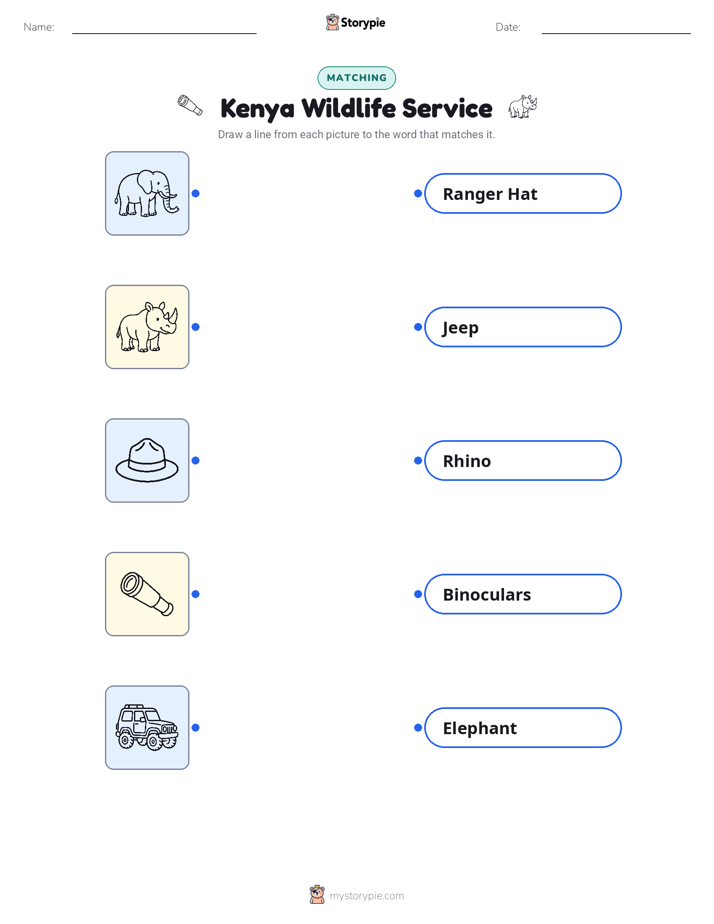
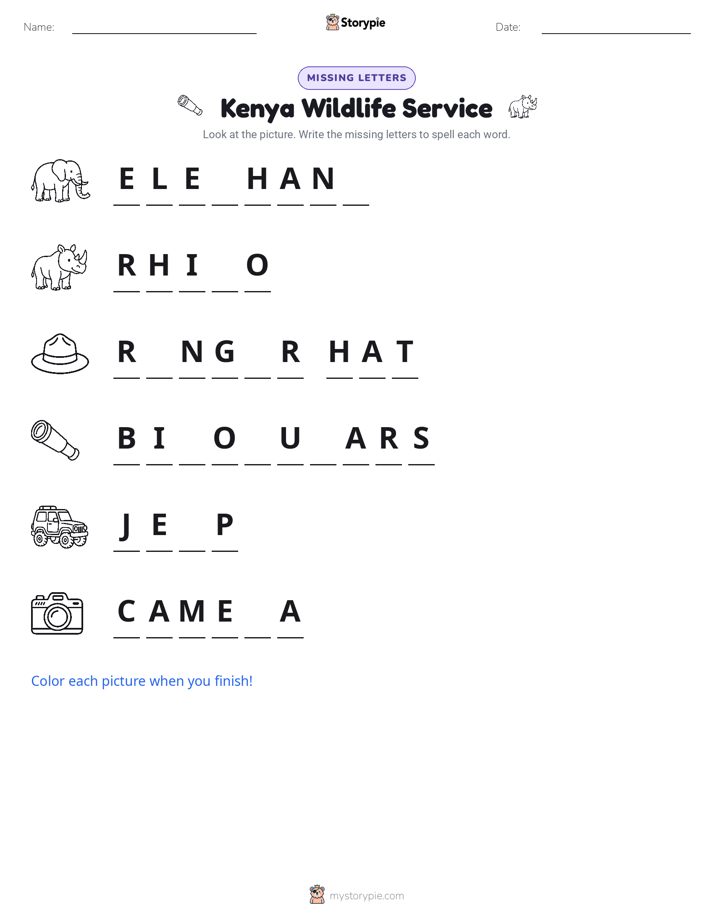
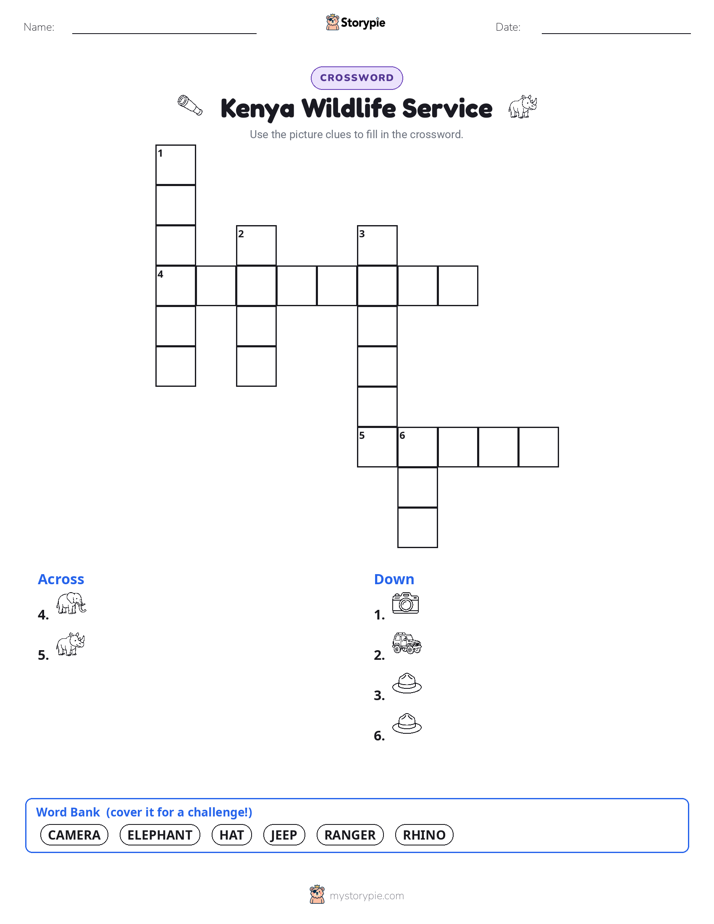
Print & create
Answer keys·No prep·Free with an account
28 worksheets · answer keys · full story · quiz · Ages 8-10 · CEFR B1
Plus adds 116,000+ more stories in 27 languages, audio for every one, and printables for all of them.
Just want Kenya Wildlife Service?
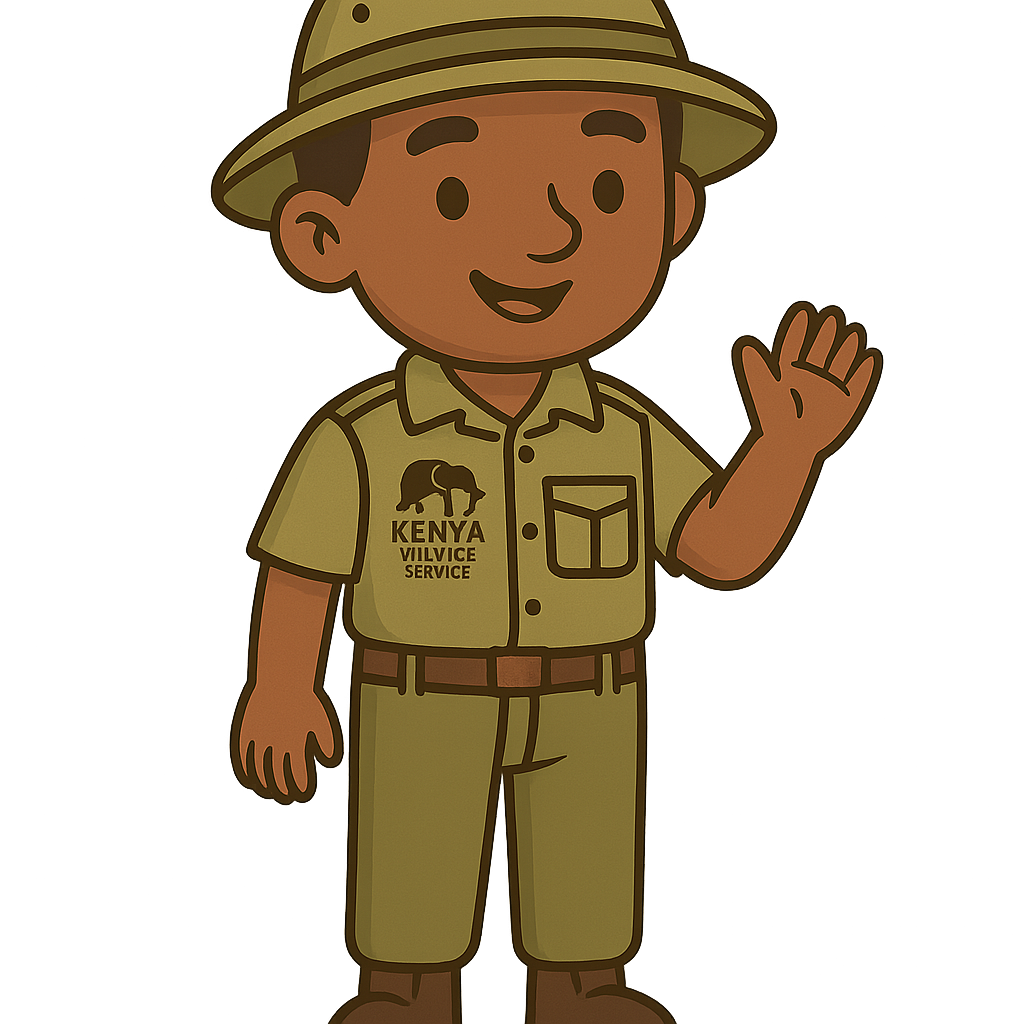
Hello! We are the Kenya Wildlife Service, but many people know us by our shorter name, KWS. We are an official government organization in the country of Kenya, which is famous for its incredible animals and landscapes. Our most important job is to protect and care for all the wildlife and the natural places they call home. Our country has a rich history of conservation, but in 1989, we were created in our current form. The goal was to bring all the different efforts to protect wildlife together under one single group, making sure everyone was working toward the same mission.
Our biggest responsibility is managing Kenya’s national parks, reserves, and sanctuaries. You can think of these places as giant, protected homes for nature. Inside these areas, amazing animals like elephants, lions, giraffes, and rhinos can live and raise their families in safety. We look after many famous parks, including Amboseli and Tsavo, which are known all over the world. To keep the animals safe, we have teams of brave KWS rangers. Our rangers are the guardians of the parks. They patrol vast areas on foot and in vehicles, watching over the animals and making sure they are protected from harm. One of the biggest dangers they face is illegal hunting, which is also called poaching.
Our rangers are highly trained to do their jobs. They learn how to track animals by following their footprints and other signs they leave behind. This skill helps them find animals that might be sick, injured, or in danger. By patrolling the parks, they discourage poachers and can stop them before they hurt any wildlife. Their work is difficult and requires great courage, but it is essential for the survival of Kenya’s most precious animals. The presence of our rangers lets the animals live more peacefully, knowing they are being watched over day and night in their natural homes.
We Are the Kenya Wildlife Service
Hello! We are the Kenya Wildlife Service, but many people know us by our shorter name, KWS. We are an official government organization in the country of Kenya, which is famous for its incredible animals and landscapes. Our most important job is to protect and care for all the wildlife and the natural places they call home. Our country has a rich history of conservation, but in 1989, we were created in our current form. The goal was to bring all the different efforts to protect wildlife together under one single group, making sure everyone was working toward the same mission.
Our biggest responsibility is managing Kenya’s national parks, reserves, and sanctuaries. You can think of these places as giant, protected homes for nature. Inside these areas, amazing animals like elephants, lions, giraffes, and rhinos can live and raise their families in safety. We look after many famous parks, including Amboseli and Tsavo, which are known all over the world. To keep the animals safe, we have teams of brave KWS rangers. Our rangers are the guardians of the parks. They patrol vast areas on foot and in vehicles, watching over the animals and making sure they are protected from harm. One of the biggest dangers they face is illegal hunting, which is also called poaching.
Our rangers are highly trained to do their jobs. They learn how to track animals by following their footprints and other signs they leave behind. This skill helps them find animals that might be sick, injured, or in danger. By patrolling the parks, they discourage poachers and can stop them before they hurt any wildlife. Their work is difficult and requires great courage, but it is essential for the survival of Kenya’s most precious animals. The presence of our rangers lets the animals live more peacefully, knowing they are being watched over day and night in their natural homes.
We run several special programs that focus on saving animals that are endangered, meaning they are at risk of disappearing forever. Two of the animals we work hardest to protect are black rhinos and elephants. In the past, both of these magnificent creatures were hunted by poachers who wanted their valuable rhino horns and elephant tusks. Their numbers became dangerously low. To help the black rhino population recover, we created special rhino sanctuaries. These are very safe, heavily guarded areas where the rhinos can live without fear. In these sanctuaries, they can find mates and have babies, which slowly helps their numbers to grow again.
To help protect elephants, we often use modern technology. Our scientists and rangers sometimes place special tracking collars around an elephant’s neck. These collars are not harmful to the animals and act like a GPS device. They send signals that allow us to follow the elephant’s movements on a computer map. This information is very useful because it tells us where the elephants are going, helps us understand their behavior, and alerts us if they wander into an area where they might be in danger from poachers or other threats. This technology helps our teams keep a close eye on them, even from far away.
We have learned that we cannot successfully protect wildlife without also working closely with people. Many communities live on the land right next to our national parks and reserves. For conservation to work, these communities must be our partners. Sometimes, wild animals can cause problems for people. For example, an elephant might wander onto a farm and eat or trample a family’s crops, which they need for food and money. We understand this is a serious issue, so we work with communities to find solutions. We help them build special fences that are strong enough to keep large animals out but are designed not to hurt them. We also teach other safe and simple methods to scare wildlife away from farms and homes.
Besides protecting their property, we also help people see the benefits that wildlife can bring. Tourism is very important in Kenya. Many visitors travel here from around the world to see the amazing animals in our parks. This tourism brings money into the local communities, creating jobs for guides, hotel workers, and many others. When people see that protecting animals can help improve their own lives, they become our strongest allies in conservation. We believe that when people and wildlife both benefit, nature has the best chance to thrive.
Our mission continues every single day, and we are always facing new challenges. Today, one of the biggest threats to wildlife is climate change. Changes in weather patterns can affect the amount of rain, which changes where animals can find the food and water they need to survive. We use science and research to understand these new challenges. Our scientists study the environment and animal populations to find the best ways to manage our parks and protect our wildlife in a changing world. Our goal is to make sure that the natural treasures of Kenya—its magnificent animals and beautiful wild places—are protected for many generations to come, so that future children can enjoy them too.
Wow facts
About
A Kenyan state corporation that conserves and manages the nation's wildlife for its people and the world by protecting national parks, reserves, and sanctuaries.
Take a Quiz
Question 1 of 5
What is the main job of the Kenya Wildlife Service (KWS)?
Explore next




Want to do even more?
Go beyond exploring. Unlock tools that turn every story into real learning.

Storypie Plus for families
Full stories, quizzes, and printables. Nights and car rides, sorted.
- Unlimited audio stories
- Create Mode: your child stars in the story
- Offline downloads
- Printable worksheets & coloring pages

Why Storypie for Schools
Students engaged. Prep in seconds. Evenings back to you.
- Worksheets & Quizzes
- Classroom Management
- Formative Assessment
- Custom Curriculum & Lesson Plans
- 27 Languages

Why Storypie for Homeschool
Curriculum done. They'll ask for more. Hours back in your day.
- Worksheet Generator
- First-Person Audio Stories
- Built-in Comprehension Quizzes
- Custom Curriculum & Lesson Plans
- Print & Go Activities