English

World Wildlife Fund
An international non-governmental organization founded in 1961…
Reads at Grades 3–5 Listens at Grades 1–5
Print & create
Answer keys·No prep·Free with an account
28 worksheets · answer keys · full story · quiz · Ages 8-10 · CEFR B1
Plus adds 116,000+ more stories in 27 languages, audio for every one, and printables for all of them.
Just want World Wildlife Fund?
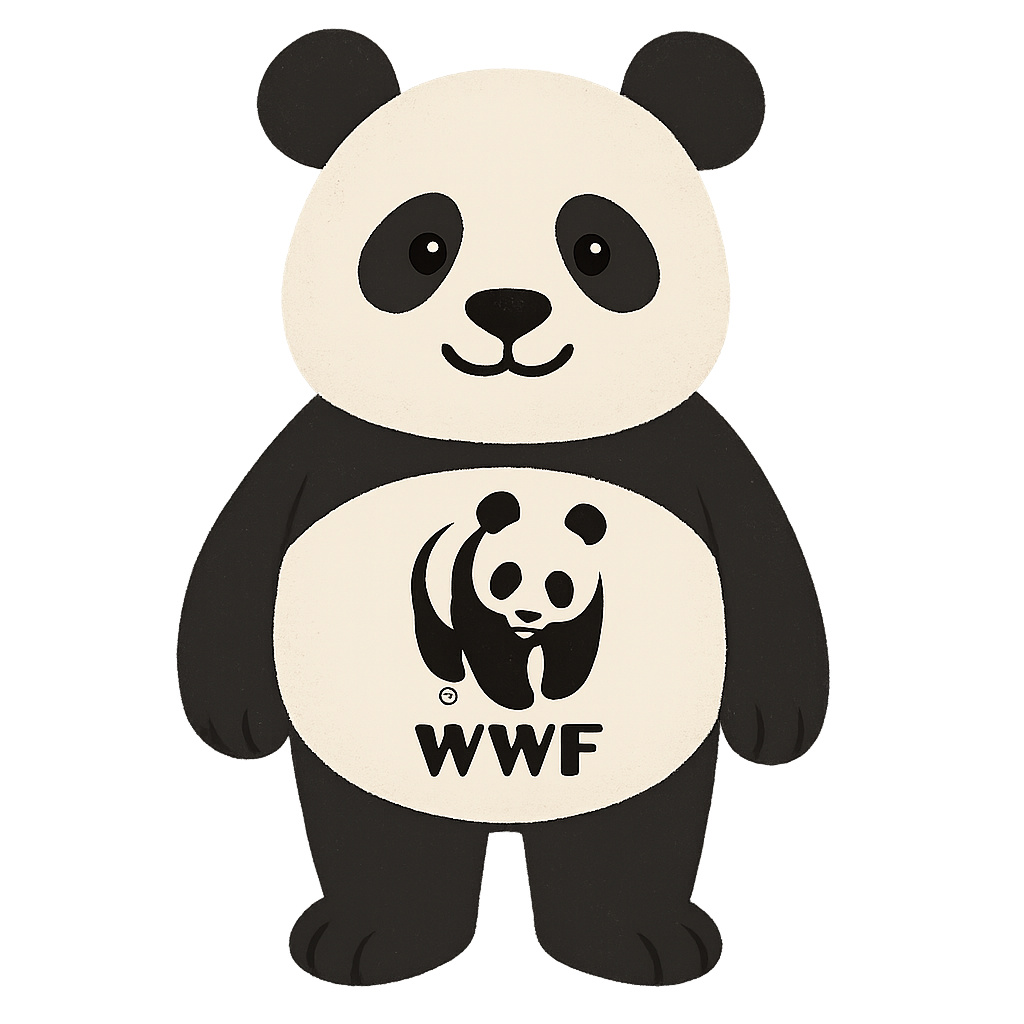
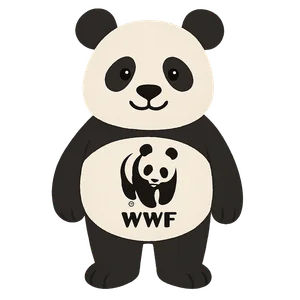
Hello. We are the World Wildlife Fund, an organization you might know by our initials, WWF. Our story began on April 29th, 1961. On that day, a group of dedicated people, including scientists like Sir Julian Huxley and conservationists like Peter Scott and Prince Bernhard of the Netherlands, came together with a shared concern. They saw that animals and natural places around the world were in trouble, and they believed the world needed a strong, international organization dedicated to protecting nature. This was the moment our mission was born: to conserve the planet’s wildlife and natural environments and to build a future where people can live in harmony with nature. To represent this important goal, we needed a symbol that everyone could recognize. Peter Scott helped create our logo, finding inspiration in a special animal living at the London Zoo. Her name was Chi-Chi, and she was a giant panda. The image of this gentle, rare animal became our logo. Since then, our black-and-white panda has become a powerful and famous symbol for our work, reminding people everywhere of the need to protect the wonderful diversity of life on Earth.
From our beginnings, our work has grown to reach across the globe. Today, we have projects in nearly 100 countries, from dense rainforests to vast oceans. One of the most important parts of our work is helping to protect large, essential natural areas. We know that animals cannot survive without safe places to live, find food, and raise their young. These areas are called habitats. To protect these vital spaces, we do not work alone. We partner with local communities and national governments. A key way we do this is by working together to create national parks and reserves. These are special areas where the land and water are protected by law, keeping them safe from harmful development. By helping to establish these protected zones, we ensure that entire ecosystems—the complex communities of plants, animals, and their environments—have a chance to thrive for many years to come.
The Story of the World Wildlife Fund
Hello. We are the World Wildlife Fund, an organization you might know by our initials, WWF. Our story began on April 29th, 1961. On that day, a group of dedicated people, including scientists like Sir Julian Huxley and conservationists like Peter Scott and Prince Bernhard of the Netherlands, came together with a shared concern. They saw that animals and natural places around the world were in trouble, and they believed the world needed a strong, international organization dedicated to protecting nature. This was the moment our mission was born: to conserve the planet’s wildlife and natural environments and to build a future where people can live in harmony with nature. To represent this important goal, we needed a symbol that everyone could recognize. Peter Scott helped create our logo, finding inspiration in a special animal living at the London Zoo. Her name was Chi-Chi, and she was a giant panda. The image of this gentle, rare animal became our logo. Since then, our black-and-white panda has become a powerful and famous symbol for our work, reminding people everywhere of the need to protect the wonderful diversity of life on Earth.
From our beginnings, our work has grown to reach across the globe. Today, we have projects in nearly 100 countries, from dense rainforests to vast oceans. One of the most important parts of our work is helping to protect large, essential natural areas. We know that animals cannot survive without safe places to live, find food, and raise their young. These areas are called habitats. To protect these vital spaces, we do not work alone. We partner with local communities and national governments. A key way we do this is by working together to create national parks and reserves. These are special areas where the land and water are protected by law, keeping them safe from harmful development. By helping to establish these protected zones, we ensure that entire ecosystems—the complex communities of plants, animals, and their environments—have a chance to thrive for many years to come.
While protecting large spaces is crucial, we also focus on specific animals that are in great danger. A big part of our job is helping to save endangered species from the threat of extinction, which means disappearing from the planet forever. For decades, we have developed and supported projects focused on some of the world’s most iconic and threatened creatures. Our projects have helped protect magnificent tigers in Asia, whose forest homes are shrinking. We have also worked to save the powerful black rhino in Africa, which has been hunted. In the high mountains of Africa, we have run projects to help mountain gorillas, and in the world’s oceans, we work to protect ancient sea turtles. Our efforts involve two main strategies. First, we work to preserve their habitats, making sure they have the forests, grasslands, or oceans they need. Second, we focus on fighting illegal poaching, which is the unlawful hunting of protected animals. This work is challenging, but it is essential for giving these amazing species a chance at survival.
As the years have passed, our mission has expanded to address new and even bigger threats to the planet. Today, the entire world faces enormous challenges that affect all of us, such as climate change, which is warming our planet, and the growing problem of plastic pollution in our oceans. These issues are too big for any one group to solve alone. They require people all over the world to come together and show that they care. To help unite people in a single, powerful message, we started an event called Earth Hour. You may have heard of it or even participated. Every year, on a specific day, we ask millions of people, cities, and famous landmarks across the globe to turn off their lights for one hour. This simple act is not about saving electricity for that one hour; it is a symbolic gesture. It is a way for people everywhere to show their leaders and each other that they are committed to taking care of our planet. Earth Hour has become a global movement that brings people together for a common cause.
Beyond large global events, our work also focuses on everyday actions. We know that building a future where people and nature live in harmony means changing the way we live, work, and do business. That is why we work directly with companies and communities to find more sustainable ways to use the planet’s resources. "Sustainable" means meeting our own needs today without preventing future generations from meeting their needs tomorrow. This could involve helping farmers grow food in ways that do not harm the soil, working with fishing communities to prevent overfishing in the oceans, or advising businesses on how to reduce their pollution. Our mission continues every day, powered by the belief that a healthy planet is necessary for all life. From protecting a single species to tackling global climate change, we continue to work toward a future where both people and wildlife can flourish together.
Wow facts
About
An international non-governmental organization founded in 1961, working on wilderness preservation and the reduction of human impact on the environment. It is known for its iconic giant panda logo.
Take a Quiz
Question 1 of 5
What animal, inspired by a real panda at the London Zoo, became the famous logo for the WWF?
Explore next





Want to do even more?
Go beyond exploring. Unlock tools that turn every story into real learning.

Storypie Plus for families
Full stories, quizzes, and printables. Nights and car rides, sorted.
- Unlimited audio stories
- Create Mode: your child stars in the story
- Offline downloads
- Printable worksheets & coloring pages

Why Storypie for Schools
Students engaged. Prep in seconds. Evenings back to you.
- Worksheets & Quizzes
- Classroom Management
- Formative Assessment
- Custom Curriculum & Lesson Plans
- 27 Languages

Why Storypie for Homeschool
Curriculum done. They'll ask for more. Hours back in your day.
- Worksheet Generator
- First-Person Audio Stories
- Built-in Comprehension Quizzes
- Custom Curriculum & Lesson Plans
- Print & Go Activities