English

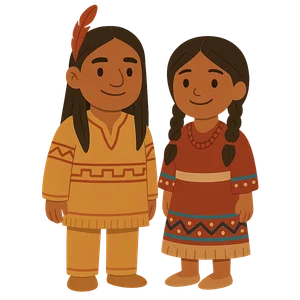
Anishinaabe Peoples
The Anishinaabe are a group of culturally related Indigenous peoples in what is now Canada and the United…
Reads at Grades 6–8 Listens at Grades 4–8
Print & create
Answer keys·No prep·Free with an account
28 worksheets · answer keys · full story · quiz · Ages 10-12 · CEFR B2
Plus adds 116,000+ more stories in 27 languages, audio for every one, and printables for all of them.
Just want Anishinaabe Peoples?
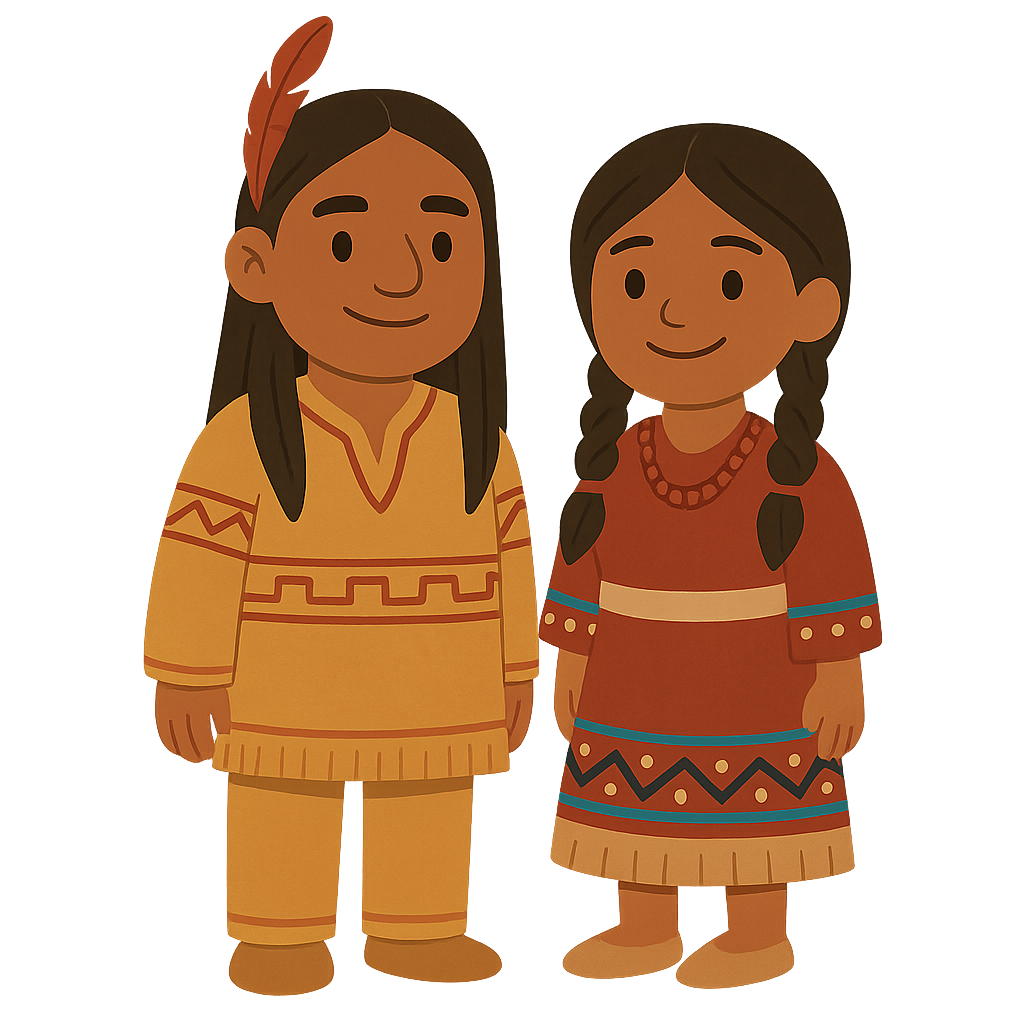
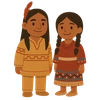
Aanii! We greet you. We are the Anishinaabe, which in our language means “The Original People.” We are not a single group, but a large family of distinct yet related nations. Among the largest of our nations are the Ojibwe, the Odawa, and the Potawatomi. For generations, we have been connected through our shared languages, our stories, and our sacred teachings. Our traditional homeland is a vast and beautiful place of forests and water, a region we call Gichigamiing, known today as the Great Lakes. To strengthen our bonds and protect our people, our three largest nations formed a historic and powerful alliance. We call this the Council of Three Fires. The Ojibwe are known as the Keepers of the Faith, the Odawa as the Keepers of the Trade, and the Potawatomi as the Keepers of the Fire. Together, this alliance created a system of government and mutual support that has guided us for centuries.
Our story of how we came to Gichigamiing is passed down through our oral traditions. It is a story of a long and sacred journey we call the Great Migration. Our ancestors once lived near the great salt water of the Atlantic coast. There, seven prophets came to them with a warning. They told our people that we must move west, or we would be lost. To guide us, a sacred sign appeared in the sky—a megis, or cowrie shell, which led the way. For centuries, our people traveled, following this sign. The journey was not a simple one; it had seven stopping places where our people rested, lived for a time, and learned important lessons before continuing on. The prophets told us that our journey would end when we reached a place where the “food that grows on water” could be found. After many generations of traveling, we arrived in the Great Lakes region. Here, in the shallow waters of the lakes and rivers, we found manoomin, or wild rice. This was the food foretold in the prophecy, and we knew we had found our home.
We Are the Anishinaabe
Aanii! We greet you. We are the Anishinaabe, which in our language means “The Original People.” We are not a single group, but a large family of distinct yet related nations. Among the largest of our nations are the Ojibwe, the Odawa, and the Potawatomi. For generations, we have been connected through our shared languages, our stories, and our sacred teachings. Our traditional homeland is a vast and beautiful place of forests and water, a region we call Gichigamiing, known today as the Great Lakes. To strengthen our bonds and protect our people, our three largest nations formed a historic and powerful alliance. We call this the Council of Three Fires. The Ojibwe are known as the Keepers of the Faith, the Odawa as the Keepers of the Trade, and the Potawatomi as the Keepers of the Fire. Together, this alliance created a system of government and mutual support that has guided us for centuries.
Our story of how we came to Gichigamiing is passed down through our oral traditions. It is a story of a long and sacred journey we call the Great Migration. Our ancestors once lived near the great salt water of the Atlantic coast. There, seven prophets came to them with a warning. They told our people that we must move west, or we would be lost. To guide us, a sacred sign appeared in the sky—a megis, or cowrie shell, which led the way. For centuries, our people traveled, following this sign. The journey was not a simple one; it had seven stopping places where our people rested, lived for a time, and learned important lessons before continuing on. The prophets told us that our journey would end when we reached a place where the “food that grows on water” could be found. After many generations of traveling, we arrived in the Great Lakes region. Here, in the shallow waters of the lakes and rivers, we found manoomin, or wild rice. This was the food foretold in the prophecy, and we knew we had found our home.
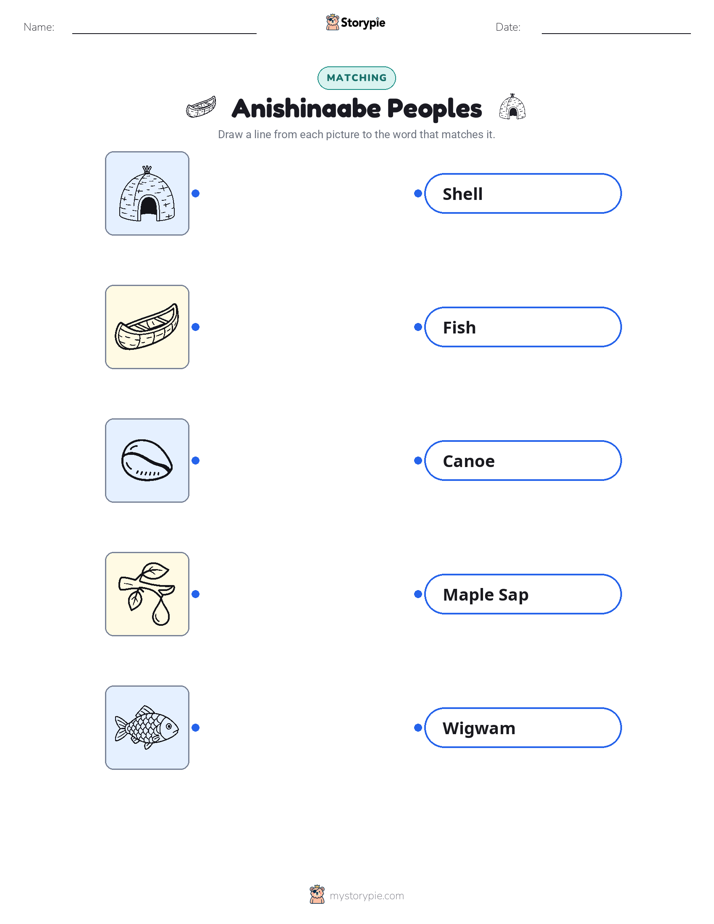
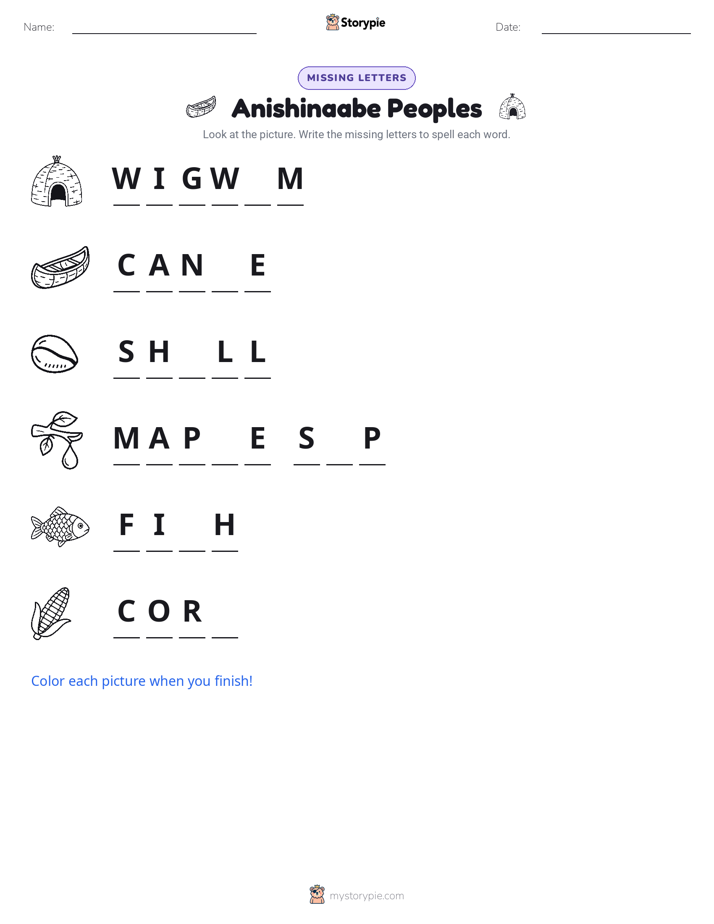
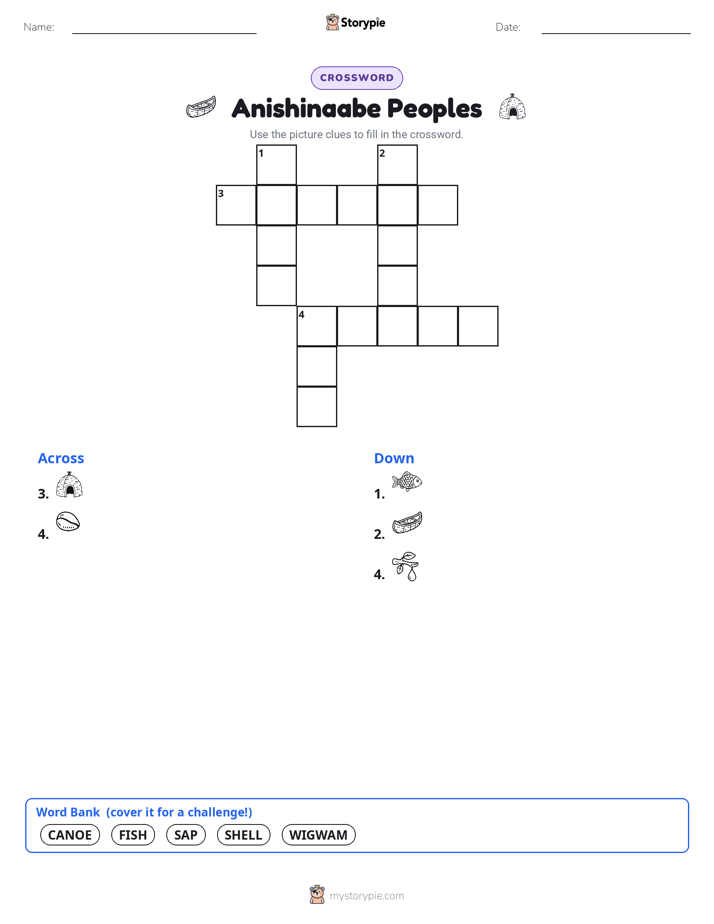
Our traditional way of life was deeply connected to the rhythm of the world around us, following the circle of the seasons. Each season brought different gifts and different work. When the snows began to melt in the spring, we moved to our sugar camps to tap maple trees, collecting the sweet sap and boiling it down to make maple sugar and syrup. Summer was a time for being near the water. We set up villages along the shores of lakes and rivers to fish, tend to our gardens of corn, beans, and squash, and gather berries and medicines from the forest. In the fall, we would paddle our canoes into the wild rice beds to harvest the manoomin. We would carefully bend the stalks over our canoes and gently knock the grains loose. When winter arrived and the world grew quiet under a blanket of snow, we moved into smaller family groups. We lived in our wigwams, dome-shaped homes made of birchbark, which kept us warm. The men would hunt for game using snowshoes to travel across the deep snow, while families gathered around the fire to mend tools, make clothing, and share the stories and teachings of our people. Our innovations, like the swift and lightweight birchbark canoe, allowed us to travel the many waterways of Gichigamiing, connecting our communities.
For a long time, we lived this way. Then, newcomers from Europe began to arrive in our lands. At first, we formed alliances with them, sharing our knowledge of the land and establishing trade networks. However, as more and more settlers came, they put increasing pressure on our homelands and our way of life. To resolve conflicts over land, our leaders signed treaties with the United States and Canadian governments. From our perspective, these treaties were sacred, nation-to-nation agreements to share the land and its resources, not to give them away forever. We believed these promises would be honored. Unfortunately, these governments often broke the treaties. They took more land than was agreed upon and pushed our people aside. This led to the tragic loss of most of our homelands and the creation of reservations, small areas of land where our people were forced to live.
Despite these hardships and broken promises, we are still here. Our Anishinaabe nations continue to exist as sovereign governments in our traditional territories, and our people also live in towns and cities all across North America. Today, we are working hard to make our communities strong again. We are leading a cultural revitalization, teaching our languages to a new generation and practicing our ceremonies. We are preserving our traditions, like harvesting manoomin and telling our sacred stories, while also making important contributions to modern society as doctors, artists, teachers, and leaders. We carry the strength of our ancestors with us as we build a vibrant future, guided by the teachings that have sustained the Anishinaabe for countless generations.
Wow facts
About
The Anishinaabe are a group of culturally related Indigenous peoples in what is now Canada and the United States, including the Ojibwe, Odawa, and Potawatomi, who share related languages and a common origin story.
Take a Quiz
Question 1 of 5
What are the three largest Anishinaabe nations that form the Council of Three Fires?
Explore next



Want to do even more?
Go beyond exploring. Unlock tools that turn every story into real learning.

Storypie Plus for families
Full stories, quizzes, and printables. Nights and car rides, sorted.
- Unlimited audio stories
- Create Mode: your child stars in the story
- Offline downloads
- Printable worksheets & coloring pages

Why Storypie for Schools
Students engaged. Prep in seconds. Evenings back to you.
- Worksheets & Quizzes
- Classroom Management
- Formative Assessment
- Custom Curriculum & Lesson Plans
- 27 Languages

Why Storypie for Homeschool
Curriculum done. They'll ask for more. Hours back in your day.
- Worksheet Generator
- First-Person Audio Stories
- Built-in Comprehension Quizzes
- Custom Curriculum & Lesson Plans
- Print & Go Activities