English

Anishinaabe Peoples
The Anishinaabe are a group of culturally related Indigenous peoples in what is now Canada and the United…
Reads at Grades 3–5 Listens at Grades 1–5
Print & create
Answer keys·No prep·Free with an account
28 worksheets · answer keys · full story · quiz · Ages 8-10 · CEFR B1
Plus adds 116,000+ more stories in 27 languages, audio for every one, and printables for all of them.
Just want Anishinaabe Peoples?
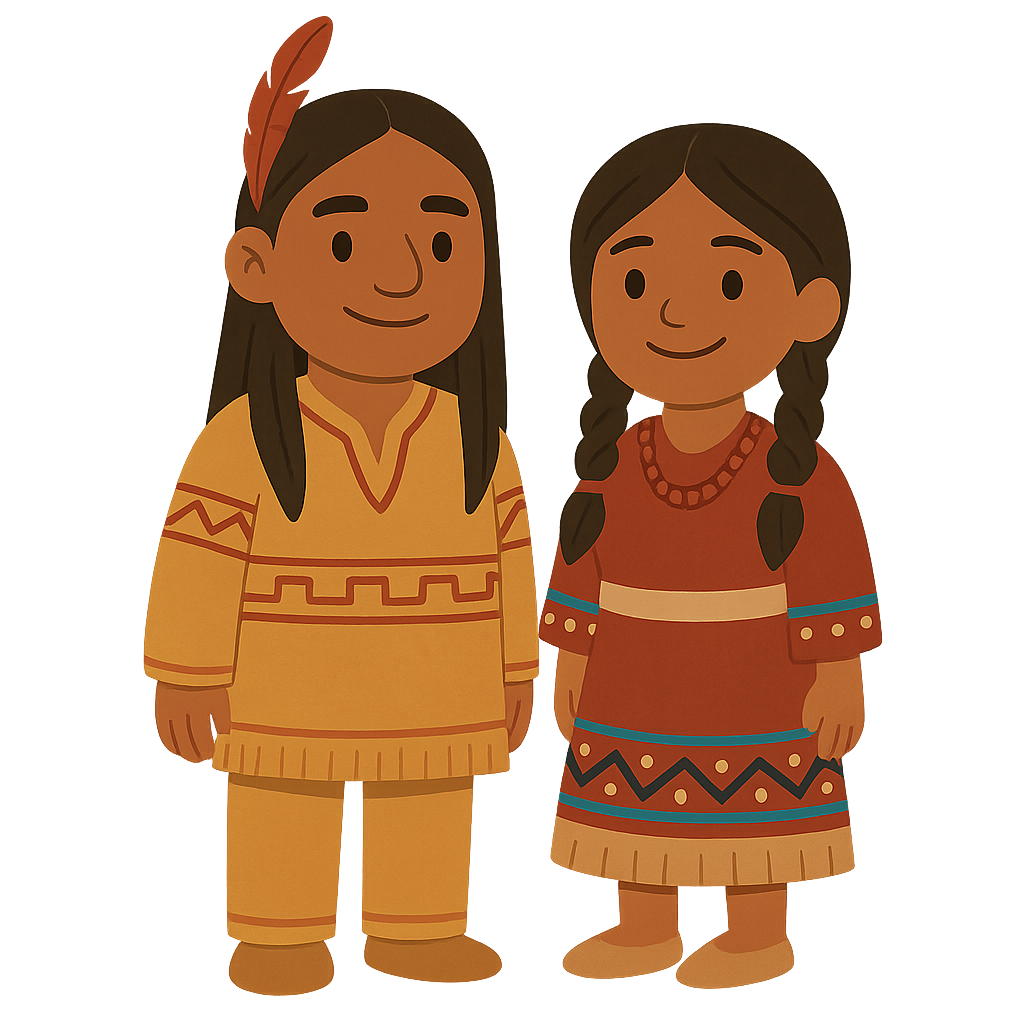
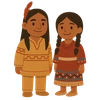
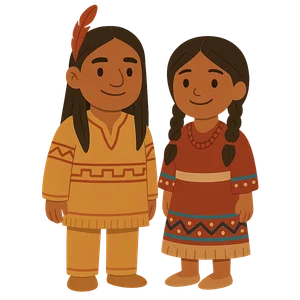
Aaniin! Hello! We are the Anishinaabe Peoples, and our name means the Original People. We are a large family of communities that includes many distinct groups, such as the Ojibwe, the Odawa, and the Potawatomi. For a very long time, these three groups have been part of a special alliance called the Council of Three Fires, working together as friends and relatives. Our story is deeply connected to the lands around the Great Lakes, a place we came to after a long and important journey.
Our oral traditions tell of a time, long ago, when we lived far to the east, near the great salt water of the Atlantic Ocean. We were given a prophecy, a special message that told us we needed to travel westward. This prophecy guided us, saying we should journey until we found the place where “the food that grows on water” could be found. This journey was not a short trip; it was a Great Migration that took many generations of our ancestors to complete. They traveled in stages, following the waterways and establishing communities along the way, always keeping the prophecy in their hearts and minds as they moved toward their destination.
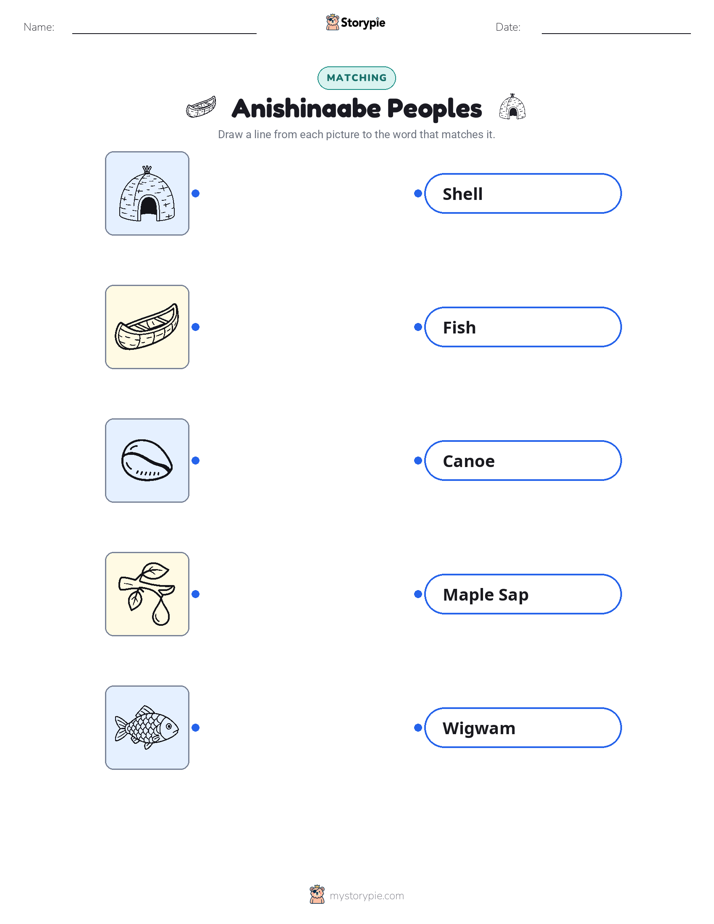
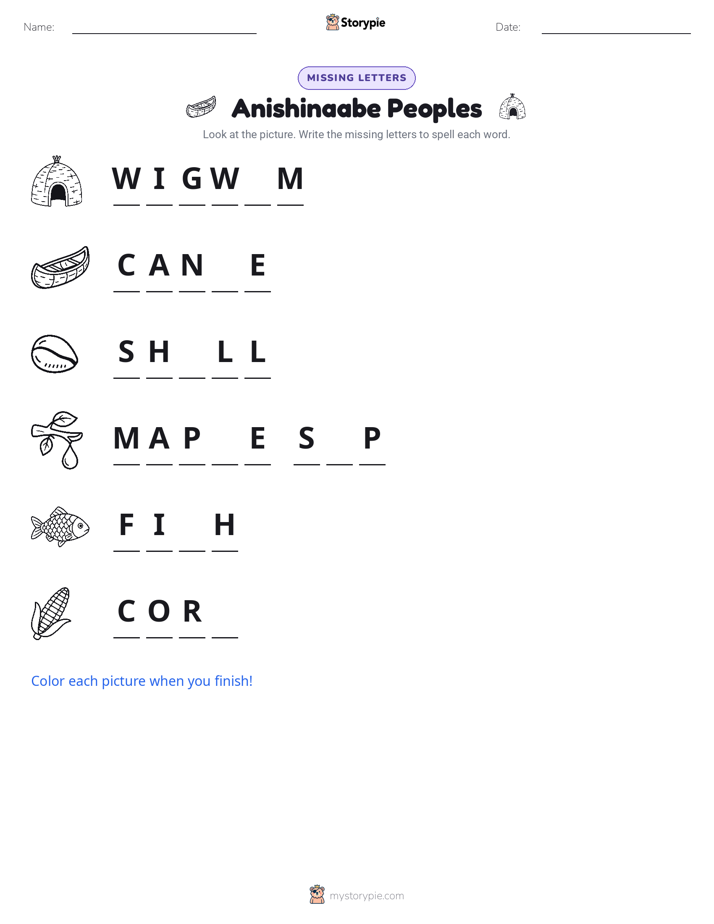
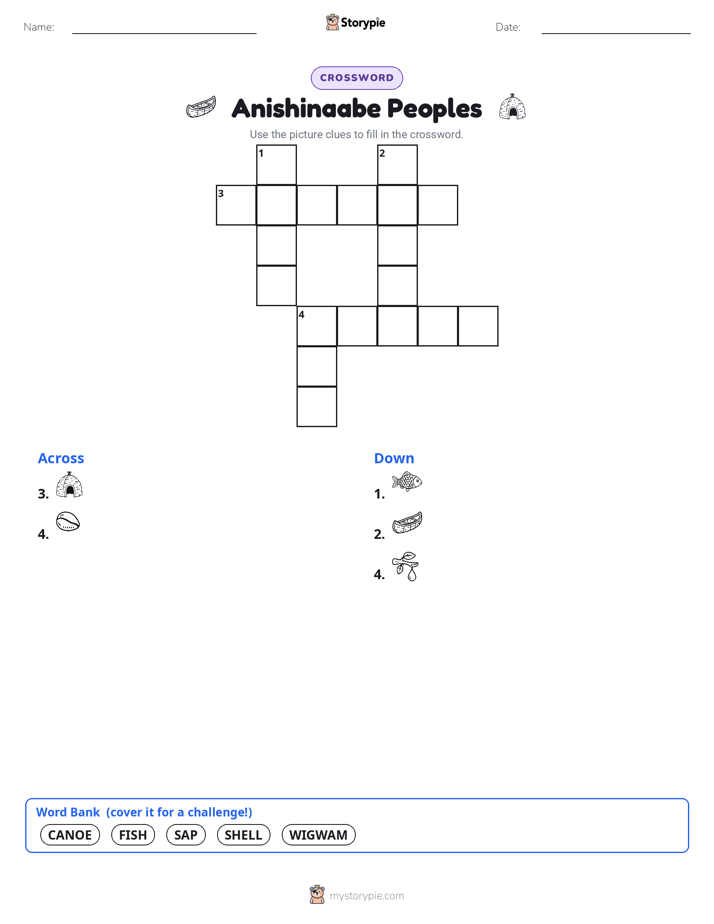
After many years, we reached the Great Lakes region. Here, we found what we had been searching for: manoomin, which you might know as wild rice. This grain, which grows on the water in shallow lakes and rivers, was the sign that our long journey was over. This land was to be our home. We learned to live in harmony with the seasons of this beautiful place. Our lives followed a rhythm, moving between different camps to make sure we had everything we needed. We built homes called wiigwaams, which were dome-shaped shelters made from a frame of saplings and covered with materials like birchbark. These homes were perfect for our way of life, easy to build and well-suited to the environment.
We Are the Anishinaabe Peoples
Aaniin! Hello! We are the Anishinaabe Peoples, and our name means the Original People. We are a large family of communities that includes many distinct groups, such as the Ojibwe, the Odawa, and the Potawatomi. For a very long time, these three groups have been part of a special alliance called the Council of Three Fires, working together as friends and relatives. Our story is deeply connected to the lands around the Great Lakes, a place we came to after a long and important journey.
Our oral traditions tell of a time, long ago, when we lived far to the east, near the great salt water of the Atlantic Ocean. We were given a prophecy, a special message that told us we needed to travel westward. This prophecy guided us, saying we should journey until we found the place where “the food that grows on water” could be found. This journey was not a short trip; it was a Great Migration that took many generations of our ancestors to complete. They traveled in stages, following the waterways and establishing communities along the way, always keeping the prophecy in their hearts and minds as they moved toward their destination.
After many years, we reached the Great Lakes region. Here, we found what we had been searching for: manoomin, which you might know as wild rice. This grain, which grows on the water in shallow lakes and rivers, was the sign that our long journey was over. This land was to be our home. We learned to live in harmony with the seasons of this beautiful place. Our lives followed a rhythm, moving between different camps to make sure we had everything we needed. We built homes called wiigwaams, which were dome-shaped shelters made from a frame of saplings and covered with materials like birchbark. These homes were perfect for our way of life, easy to build and well-suited to the environment.
In the summertime, our families would set up camp near the lakes and rivers. This was a time for fishing, gathering berries and other plants, and tending to our gardens. The waterways were our highways, and we were experts at building and using birchbark canoes. These lightweight but strong canoes allowed us to travel, trade, and fish with ease across the vast Great Lakes. When winter arrived, we would move our camps into the forests. The colder months were a time for hunting animals like deer and moose, which provided us with food and materials for clothing and tools. This seasonal movement allowed us to live with the land, not just on it, using its gifts respectfully.
Our culture is filled with beauty and skill. We are known for our beautiful beadwork, creating complex patterns on clothing, bags, and other items. These designs often carry important stories and meanings. However, our way of life faced enormous challenges with the arrival of new settlers. We were asked to sign treaties, which are formal agreements between nations. Many of these treaties were unfair, and they resulted in the loss of much of our land and our traditional ways of living.
One of the most painful parts of our recent history was the era of residential schools. For many years, our children were taken from their families and communities and sent to these schools. The goal of these schools was to erase our culture and languages. This caused deep and lasting harm that our communities are still healing from today. But despite these incredible hardships, we have remained strong.
Today, Anishinaabe communities are vibrant and resilient. We are working hard to bring back our languages, teaching them to our children so that they will not be lost. We continue our traditional practices, like harvesting manoomin, creating beadwork, and sharing the stories of our ancestors. We are doctors, teachers, artists, and leaders, contributing to modern society in countless ways while proudly carrying our identity as Anishinaabe Peoples forward for future generations.
Wow facts
About
The Anishinaabe are a group of culturally related Indigenous peoples in what is now Canada and the United States, including the Ojibwe, Odawa, and Potawatomi, who share related languages and a common origin story.
Take a Quiz
Question 1 of 5
What are the three groups that make up the Anishinaabe Peoples mentioned in the story?
Explore next





Want to do even more?
Go beyond exploring. Unlock tools that turn every story into real learning.

Storypie Plus for families
Full stories, quizzes, and printables. Nights and car rides, sorted.
- Unlimited audio stories
- Create Mode: your child stars in the story
- Offline downloads
- Printable worksheets & coloring pages

Why Storypie for Schools
Students engaged. Prep in seconds. Evenings back to you.
- Worksheets & Quizzes
- Classroom Management
- Formative Assessment
- Custom Curriculum & Lesson Plans
- 27 Languages

Why Storypie for Homeschool
Curriculum done. They'll ask for more. Hours back in your day.
- Worksheet Generator
- First-Person Audio Stories
- Built-in Comprehension Quizzes
- Custom Curriculum & Lesson Plans
- Print & Go Activities