English

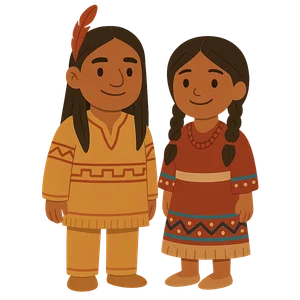
Anishinaabe Peoples
The Anishinaabe are a group of culturally related Indigenous peoples in what is now Canada and the United…
Reads at Grades K-2 Listens at K–3
Print & create
Answer keys·No prep·Free with an account
28 worksheets · answer keys · full story · quiz · Ages 6-8 · CEFR A2
Plus adds 116,000+ more stories in 27 languages, audio for every one, and printables for all of them.
Just want Anishinaabe Peoples?
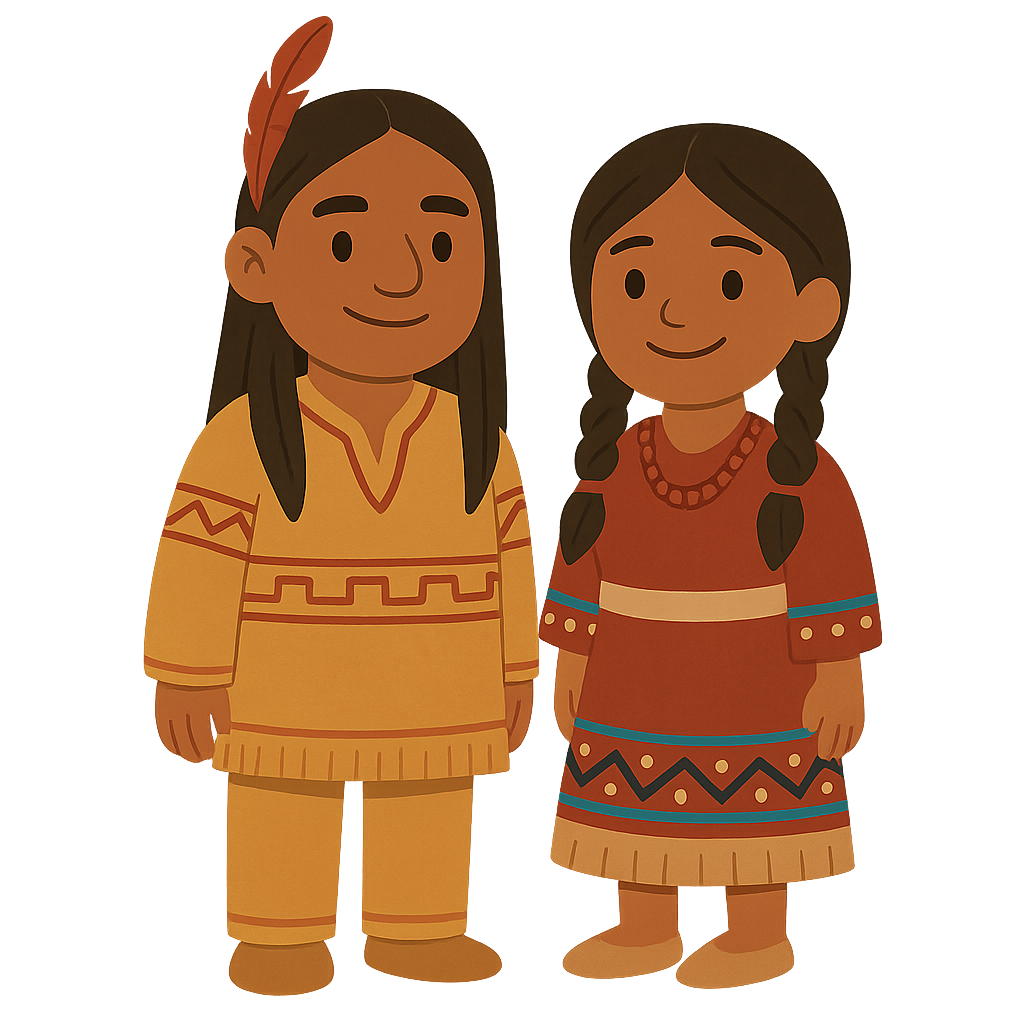
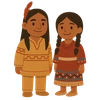
Aanii! Hello! We are the Anishinaabe, and our name means ‘Original People.’ We want to share our story with you. We are not just one group but a family of many distinct nations who are related to one another. Among us are the Ojibwe, the Odawa, and the Potawatomi. For a very long time, our home has been the vast and beautiful land surrounding the Great Lakes in North America, a place of deep blue waters and green forests.
Our story of how we came to this land is very old and has been passed down through generations. According to our oral traditions, we began a Great Migration many, many years ago. We started our journey far to the east, on the coast of the Atlantic Ocean. Our elders were given a message: we must travel west until we found ‘the food that grows on water.’ This instruction guided our ancestors on a long journey that took a great deal of time and strength. We traveled with our families, looking for the special sign that would tell us we had reached our new home. Finally, our people arrived in the Great Lakes region and saw it—manoomin, or wild rice, growing right out of the water. We knew our long journey was over.
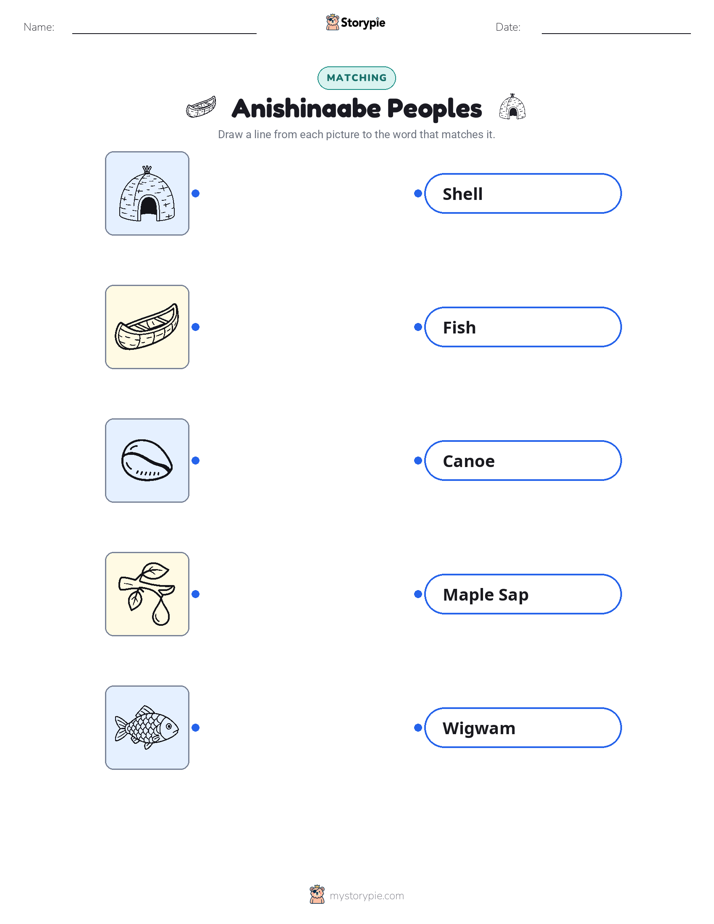
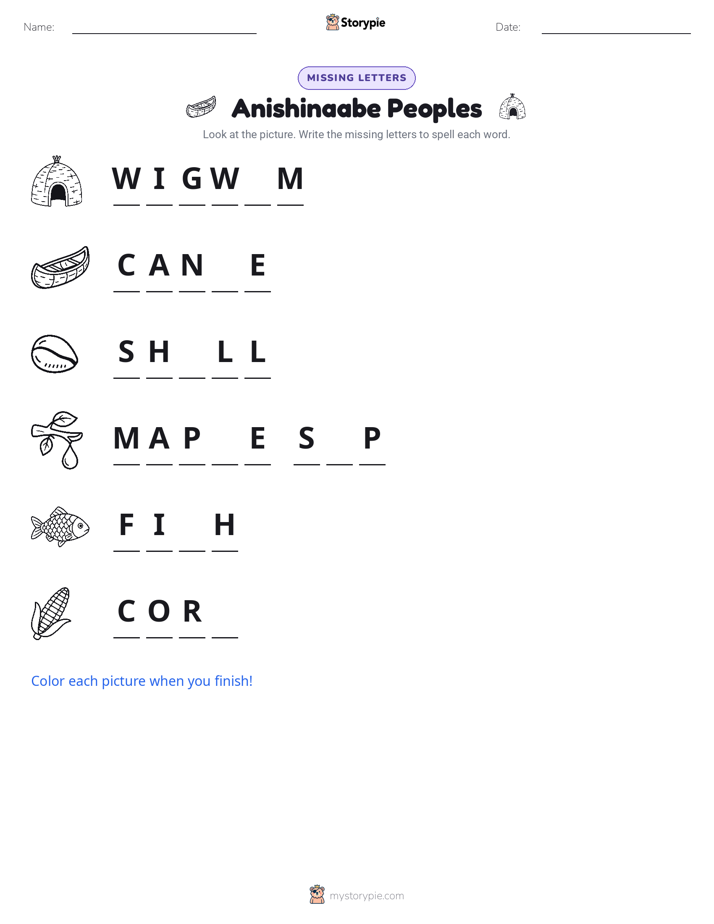
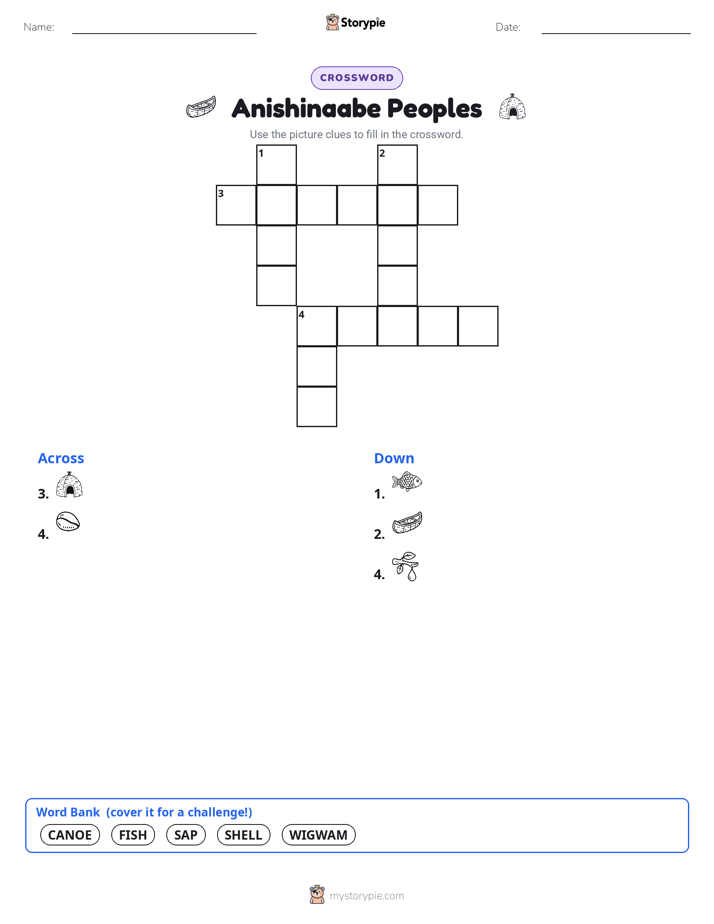
Life in our new home was guided by the rhythm of the seasons. We built our homes, called wigwams, using flexible saplings for the frame and covering them with sheets of sturdy birchbark. These homes kept us safe and warm. The lakes and rivers were our highways, and we built amazing birchbark canoes to travel across the water. Our canoes were light enough to carry but strong enough for long trips. Each season brought different gifts and different work. In the summer, we fished in the clear lakes. When fall arrived, we harvested the wild rice that had led us here. In the spring, as the world woke up from winter, we gathered sweet sap from maple trees to make maple syrup. In all that we did, we showed respect for the earth and its gifts.
The Story of the Anishinaabe
Aanii! Hello! We are the Anishinaabe, and our name means ‘Original People.’ We want to share our story with you. We are not just one group but a family of many distinct nations who are related to one another. Among us are the Ojibwe, the Odawa, and the Potawatomi. For a very long time, our home has been the vast and beautiful land surrounding the Great Lakes in North America, a place of deep blue waters and green forests.
Our story of how we came to this land is very old and has been passed down through generations. According to our oral traditions, we began a Great Migration many, many years ago. We started our journey far to the east, on the coast of the Atlantic Ocean. Our elders were given a message: we must travel west until we found ‘the food that grows on water.’ This instruction guided our ancestors on a long journey that took a great deal of time and strength. We traveled with our families, looking for the special sign that would tell us we had reached our new home. Finally, our people arrived in the Great Lakes region and saw it—manoomin, or wild rice, growing right out of the water. We knew our long journey was over.
Life in our new home was guided by the rhythm of the seasons. We built our homes, called wigwams, using flexible saplings for the frame and covering them with sheets of sturdy birchbark. These homes kept us safe and warm. The lakes and rivers were our highways, and we built amazing birchbark canoes to travel across the water. Our canoes were light enough to carry but strong enough for long trips. Each season brought different gifts and different work. In the summer, we fished in the clear lakes. When fall arrived, we harvested the wild rice that had led us here. In the spring, as the world woke up from winter, we gathered sweet sap from maple trees to make maple syrup. In all that we did, we showed respect for the earth and its gifts.
Today, we Anishinaabe people are still here, and our communities are strong. Life has changed in many ways. Most of us now live in modern houses and have modern jobs, just like people all over the world. But we also work hard to keep our culture alive for our children and grandchildren. We continue to share the stories of our ancestors. Our artists create beautiful and intricate beadwork that tells its own stories through color and design. We hold powwows, which are special gatherings where we celebrate with drumming, singing, and dancing. We are also working to protect our traditional lands and to make sure our languages are spoken for many years to come.
Wow facts
About
The Anishinaabe are a group of culturally related Indigenous peoples in what is now Canada and the United States, including the Ojibwe, Odawa, and Potawatomi, who share related languages and a common origin story.
Take a Quiz
Question 1 of 4
What does the name 'Anishinaabe' mean in the story?
Explore next





Want to do even more?
Go beyond exploring. Unlock tools that turn every story into real learning.

Storypie Plus for families
Full stories, quizzes, and printables. Nights and car rides, sorted.
- Unlimited audio stories
- Create Mode: your child stars in the story
- Offline downloads
- Printable worksheets & coloring pages

Why Storypie for Schools
Students engaged. Prep in seconds. Evenings back to you.
- Worksheets & Quizzes
- Classroom Management
- Formative Assessment
- Custom Curriculum & Lesson Plans
- 27 Languages

Why Storypie for Homeschool
Curriculum done. They'll ask for more. Hours back in your day.
- Worksheet Generator
- First-Person Audio Stories
- Built-in Comprehension Quizzes
- Custom Curriculum & Lesson Plans
- Print & Go Activities