English

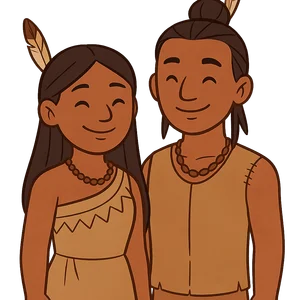
Wampanoag people
The Wampanoag are an Indigenous people of the Northeastern Woodlands of North America.
Reads at Grades 3–5 Listens at Grades 1–5
Print & create
Answer keys·No prep·Free with an account
28 worksheets · answer keys · full story · quiz · Ages 8-10 · CEFR B1
Plus adds 116,000+ more stories in 27 languages, audio for every one, and printables for all of them.
Just want Wampanoag people?
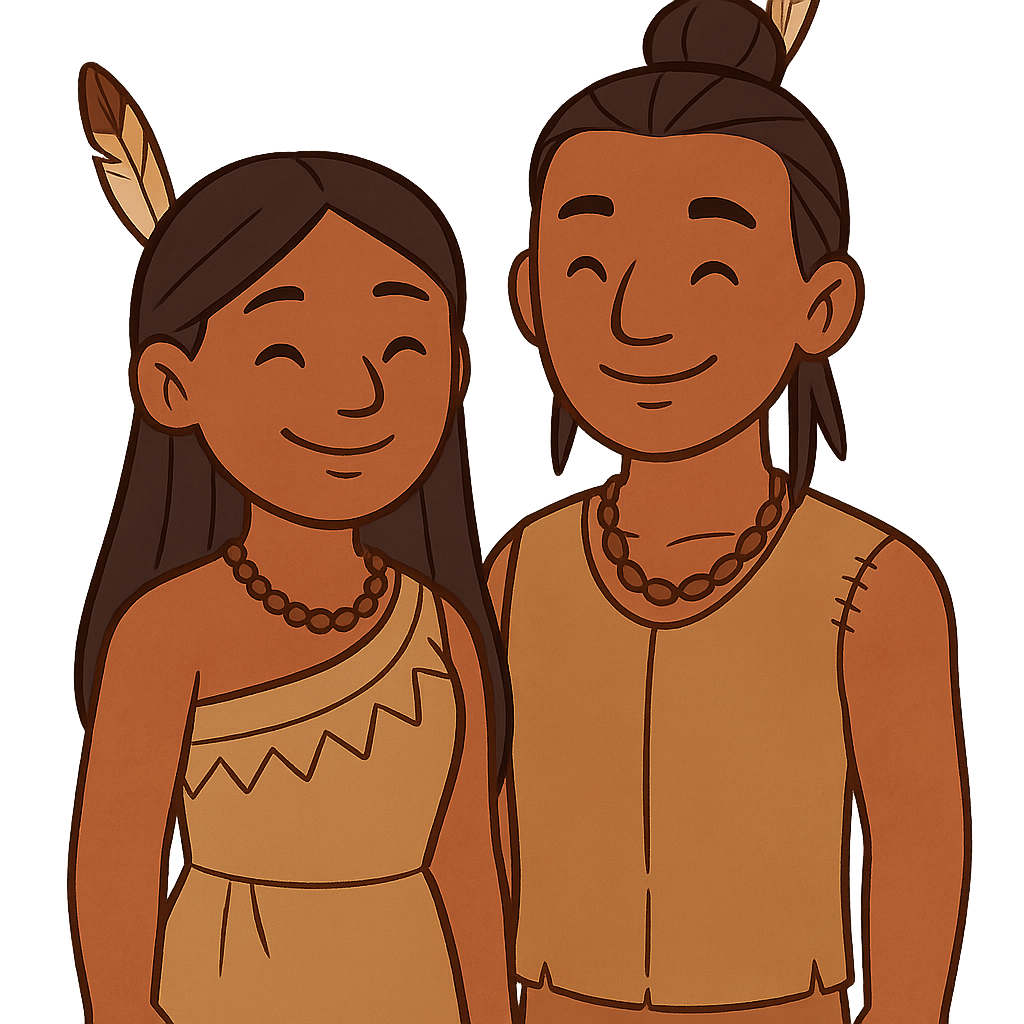
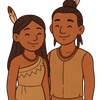
We are the Wampanoag, and our story is as old as the land we call home. Our name, Wôpanâak, means “People of the First Light.” This name comes from our place in the world, on the eastern shores where we are the first to greet the rising sun each morning. For more than 12,000 years, our ancestors have lived in this homeland, which today includes parts of the states of Massachusetts and Rhode Island. Our connection to this land is deep, and we have always known how to live with it in a good way. For generations, we built our homes, which we call wetus, from the gifts of the forest. A wetu is a dome-shaped house, warm in the winter and cool in the summer. We would build a strong frame using young, flexible trees called saplings and then cover it with large pieces of bark or carefully woven mats. These homes were perfect for our families and our way of life.
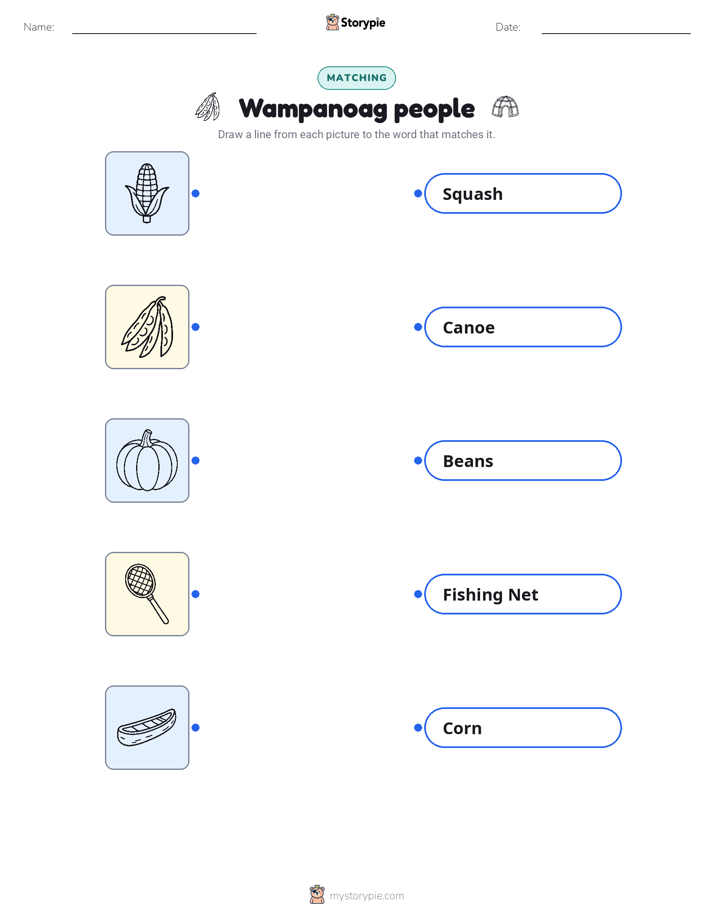
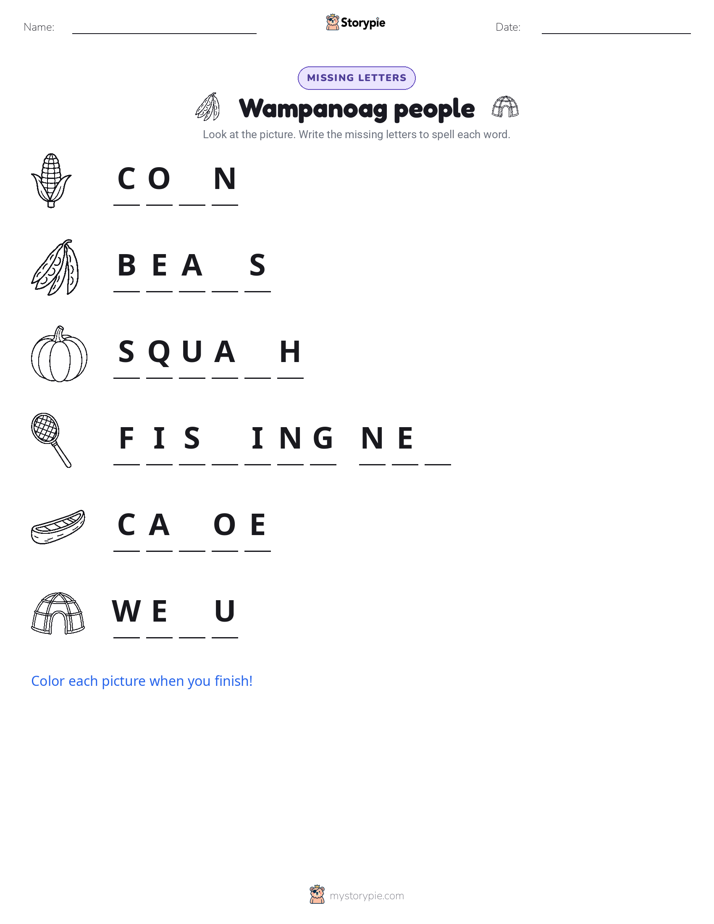
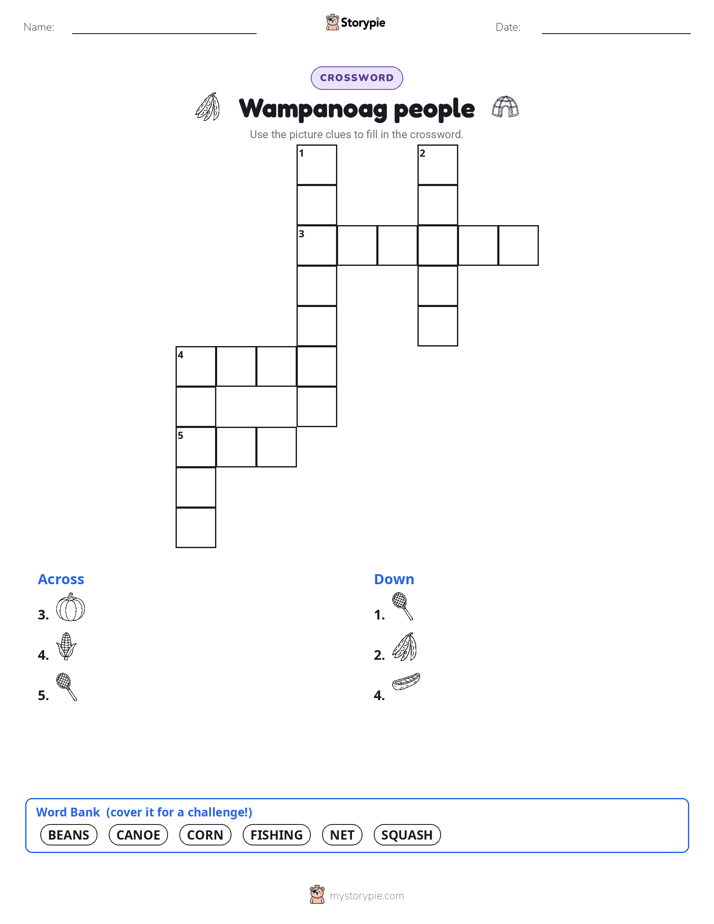
Our lives have always followed the rhythm of the world around us, changing with the seasons. We knew where to find food and resources throughout the year. When the weather grew warm in the spring and summer, our communities would move to the coast. There, the ocean gave us plenty of fish, and we planted large gardens. Our most important crops were corn, beans, and squash. We call them the “Three Sisters” because they grow together and help each other thrive, just like a family. When the air turned crisp in the fall and the world prepared for winter, we would move inland. The deep forests provided shelter and a different kind of bounty. Our hunters would find deer and turkey, which gave us food and materials for clothing. To travel along the rivers and coastlines, we built special boats called mishoons. Each mishoon was crafted from a single tree, carefully shaped into a dugout canoe that could glide silently through the water.
We Are the People of the First Light
We are the Wampanoag, and our story is as old as the land we call home. Our name, Wôpanâak, means “People of the First Light.” This name comes from our place in the world, on the eastern shores where we are the first to greet the rising sun each morning. For more than 12,000 years, our ancestors have lived in this homeland, which today includes parts of the states of Massachusetts and Rhode Island. Our connection to this land is deep, and we have always known how to live with it in a good way. For generations, we built our homes, which we call wetus, from the gifts of the forest. A wetu is a dome-shaped house, warm in the winter and cool in the summer. We would build a strong frame using young, flexible trees called saplings and then cover it with large pieces of bark or carefully woven mats. These homes were perfect for our families and our way of life.
Our lives have always followed the rhythm of the world around us, changing with the seasons. We knew where to find food and resources throughout the year. When the weather grew warm in the spring and summer, our communities would move to the coast. There, the ocean gave us plenty of fish, and we planted large gardens. Our most important crops were corn, beans, and squash. We call them the “Three Sisters” because they grow together and help each other thrive, just like a family. When the air turned crisp in the fall and the world prepared for winter, we would move inland. The deep forests provided shelter and a different kind of bounty. Our hunters would find deer and turkey, which gave us food and materials for clothing. To travel along the rivers and coastlines, we built special boats called mishoons. Each mishoon was crafted from a single tree, carefully shaped into a dugout canoe that could glide silently through the water.
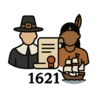
In the year 1620, our world began to change. A ship called the Mayflower arrived, carrying English newcomers to our shores. They were not prepared for life in this new place and struggled greatly. Our great leader, a sachem named Massasoit, saw their difficulty. He made the important decision to form an alliance with them. A man from our nation, named Tisquantum, became a bridge between our two peoples. He was from a village called Patuxet and he knew how to speak English, so he could communicate with the settlers. Tisquantum shared our knowledge of the land, teaching them how to survive. He showed them the right way to plant corn in this soil and where the best fishing spots were. Because of this help, the newcomers had a successful harvest. In the fall of 1621, they invited us to a feast to celebrate. For three days, our people and the English shared food and gave thanks, an event that is often remembered today as the “First Thanksgiving.”
That time of peace and sharing did not last forever. As the years went on, more and more colonists arrived from England. They needed land for their farms and towns, and they began to take more and more of our homeland. This created great tension and sadness, because the land is a part of who we are. Eventually, these disagreements led to a terrible conflict. In 1675, a war began that would change our nation forever. It is known in history books as King Philip’s War. It was named for our leader at the time, Metacomet, who was the son of Massasoit. The English had given him the name King Philip. He led our people to defend our homes and our way of life. The war was devastating for us. Many of our people lost their lives, and many of our communities and homes were destroyed.
Even after these great hardships, we, the Wampanoag people, have survived. We are still here, living in our ancestral homeland. Our culture, our communities, and our spirit remain strong. Today, there are several Wampanoag communities, and two of our tribes are officially recognized by the United States government: the Mashpee Wampanoag and the Wampanoag Tribe of Gay Head, also known as Aquinnah. We have not forgotten the ways of our ancestors, and we are working hard to keep our culture alive for future generations. One of the most important projects is reviving our language, Wôpanâak, so that our children can hear and speak the words of our people once again. We celebrate our identity and share it with others through gatherings like powwows, by telling the stories that have been passed down for thousands of years, and by creating beautiful traditional arts. We are the People of the First Light, and we are still here.
Wow facts
About
The Wampanoag are an Indigenous people of the Northeastern Woodlands of North America. They have inhabited their ancestral lands in southeastern Massachusetts and Rhode Island for between 12,000 and 15,000 years and are known for their historic encounter with the Mayflower Pilgrims.
Take a Quiz
Question 1 of 5
What are traditional Wampanoag homes called and what are they made of?
Explore next
Want to do even more?
Go beyond exploring. Unlock tools that turn every story into real learning.

Storypie Plus for families
Full stories, quizzes, and printables. Nights and car rides, sorted.
- Unlimited audio stories
- Create Mode: your child stars in the story
- Offline downloads
- Printable worksheets & coloring pages

Why Storypie for Schools
Students engaged. Prep in seconds. Evenings back to you.
- Worksheets & Quizzes
- Classroom Management
- Formative Assessment
- Custom Curriculum & Lesson Plans
- 27 Languages

Why Storypie for Homeschool
Curriculum done. They'll ask for more. Hours back in your day.
- Worksheet Generator
- First-Person Audio Stories
- Built-in Comprehension Quizzes
- Custom Curriculum & Lesson Plans
- Print & Go Activities