English

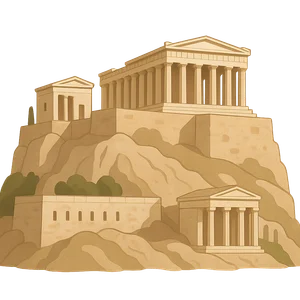
Acropolis of Athens
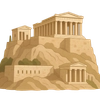
An ancient citadel located on a rocky outcrop above the city of Athens, Greece…
Reads at Grades 3–5 Listens at Grades 1–5
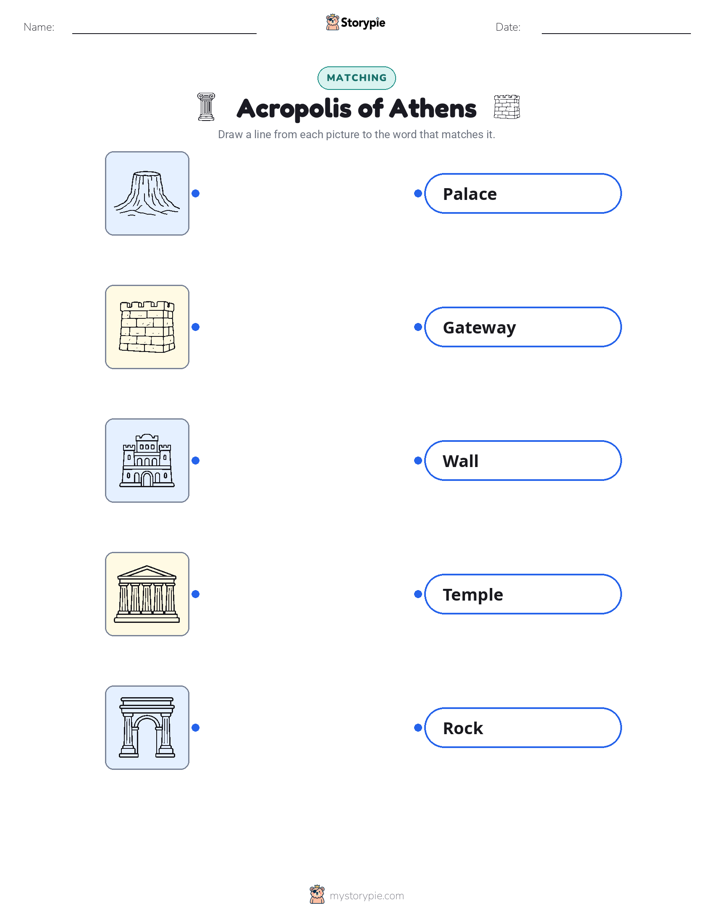
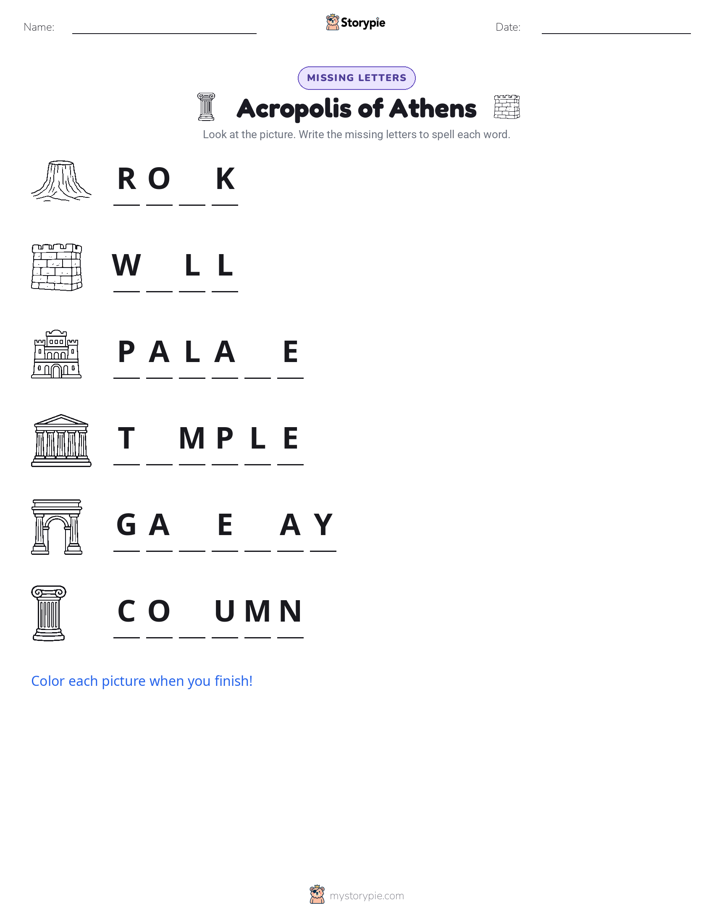
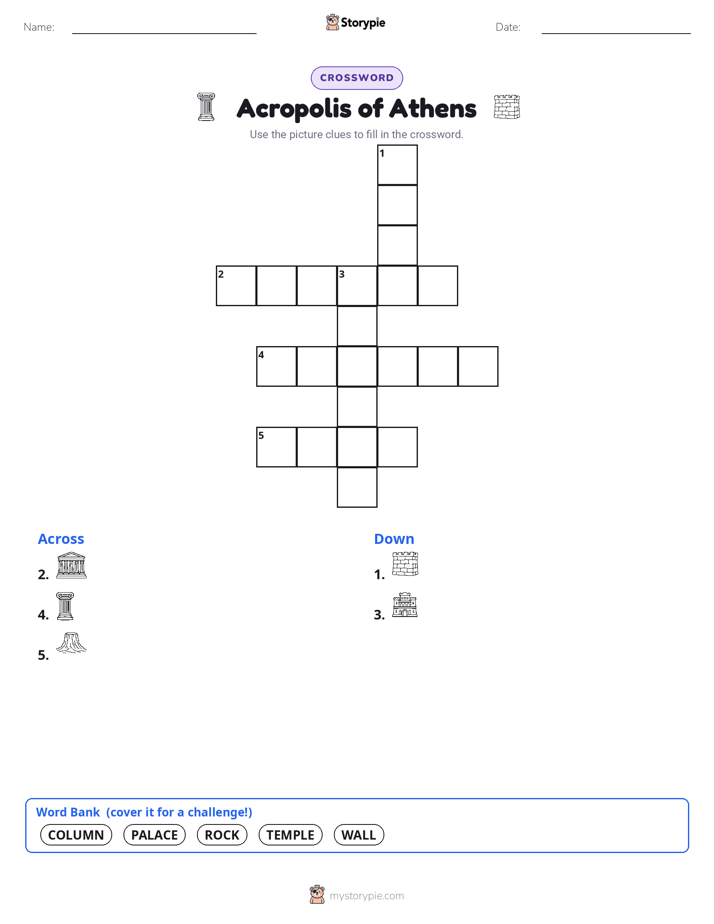
Print & create
Answer keys·No prep·Free with an account
28 worksheets · answer keys · full story · quiz · Ages 8-10 · CEFR B1
Plus adds 244,000+ more stories in 27 languages, audio for every one, and printables for all of them.
Just want Acropolis of Athens?
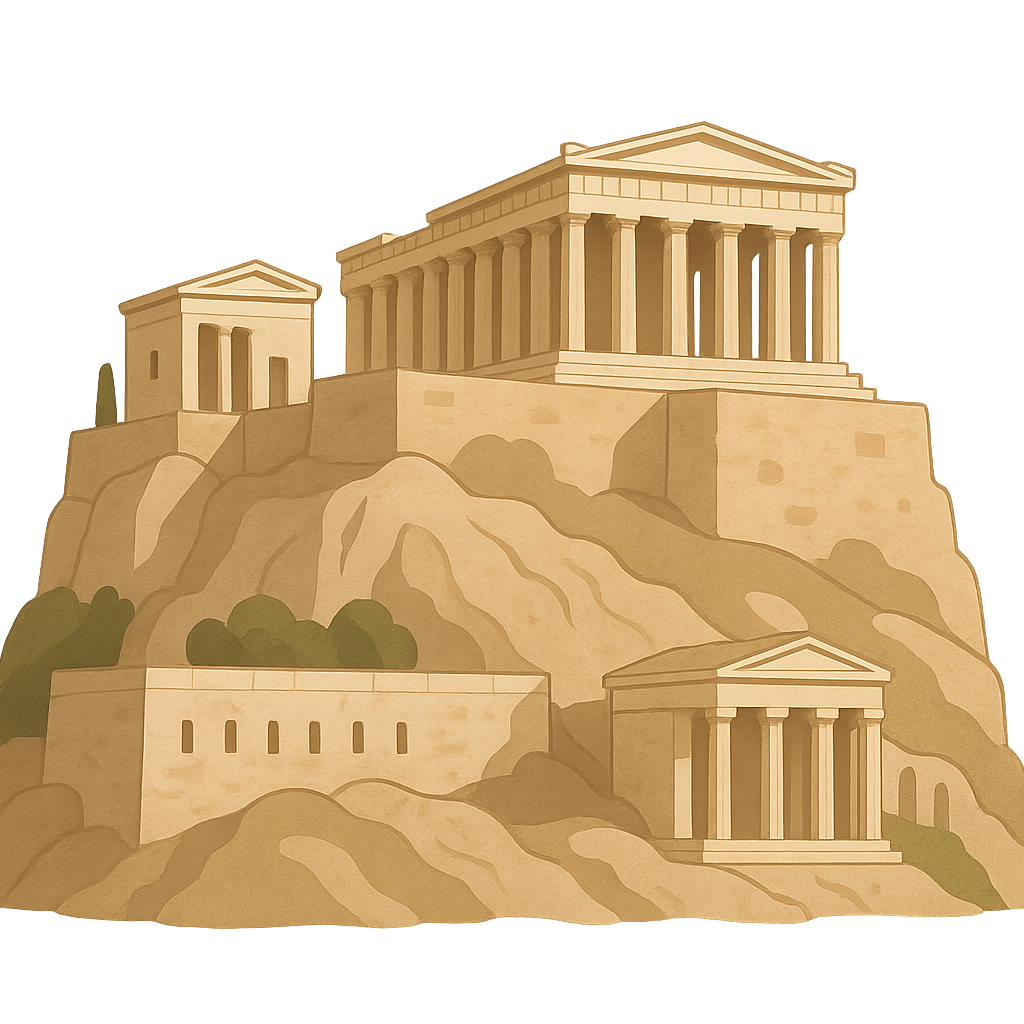
High above a bustling city, I feel the warm Greek sun soak into my ancient marble bones. Below me, a sea of white buildings stretches out to meet the blue water, and the sounds of cars and conversations drift up like a gentle hum. But the sounds I love most are the footsteps of visitors, whispering secrets to my worn pathways as they walk among my temples. For thousands of years, I have been a rocky crown perched atop this city, watching history unfold. My columns reach for the sky, telling stories of gods, heroes, and brilliant ideas. I am the Acropolis of Athens.
My most glorious days began long, long ago, in a time you call the 5th century BCE. A wise leader named Pericles looked at my rocky hill and dreamed of something magnificent. He wanted to build a tribute to the city's spirit. He gathered the most brilliant people in all of Greece to make his dream real. Architects named Ictinus and Callicrates designed my beautiful buildings, and a famous sculptor named Phidias brought stone to life with his incredible art. Together, in the year 447 BCE, they began my most famous temple, the Parthenon. It was built to honor Athena, the goddess of wisdom and the city's protector. Inside, Phidias created a giant, breathtaking statue of her, decorated with shining gold and smooth ivory that made everyone gasp in wonder. But these buildings were more than just beautiful. They were a celebration. The people of Athens had found peace and wanted to show the world their love for art and a new way of living called democracy, where citizens could help make decisions for their city. I became the shining symbol of their highest ideals.
The Stone Crown of Athens
High above a bustling city, I feel the warm Greek sun soak into my ancient marble bones. Below me, a sea of white buildings stretches out to meet the blue water, and the sounds of cars and conversations drift up like a gentle hum. But the sounds I love most are the footsteps of visitors, whispering secrets to my worn pathways as they walk among my temples. For thousands of years, I have been a rocky crown perched atop this city, watching history unfold. My columns reach for the sky, telling stories of gods, heroes, and brilliant ideas. I am the Acropolis of Athens.
My most glorious days began long, long ago, in a time you call the 5th century BCE. A wise leader named Pericles looked at my rocky hill and dreamed of something magnificent. He wanted to build a tribute to the city's spirit. He gathered the most brilliant people in all of Greece to make his dream real. Architects named Ictinus and Callicrates designed my beautiful buildings, and a famous sculptor named Phidias brought stone to life with his incredible art. Together, in the year 447 BCE, they began my most famous temple, the Parthenon. It was built to honor Athena, the goddess of wisdom and the city's protector. Inside, Phidias created a giant, breathtaking statue of her, decorated with shining gold and smooth ivory that made everyone gasp in wonder. But these buildings were more than just beautiful. They were a celebration. The people of Athens had found peace and wanted to show the world their love for art and a new way of living called democracy, where citizens could help make decisions for their city. I became the shining symbol of their highest ideals.
My life has not always been peaceful. As centuries passed, the world around me changed, and I changed with it. The people who lived here began to believe in different things, and my purpose shifted with their faiths. In the 6th century CE, the Parthenon, once a home for Athena, became a Christian church. Then, many hundreds of years later, in the 1460s, it was transformed again into a mosque, and a tall tower called a minaret was added to my silhouette. The deepest wound I ever received came on September 26th, 1687. A terrible war was raging in the city below, and my Parthenon was being used to store gunpowder. A cannonball struck it, causing a mighty explosion that shattered my beautiful columns and walls. It was a moment of great sadness, a scar I carry to this day. But even in ruins, I stood tall, a reminder that even after great hardship, strength can endure.
After centuries of standing wounded, a new chapter began for me. In 1975, caring people from around the world started a great project to heal my scars. Scientists and artists began carefully putting my broken pieces back together, like a giant, important puzzle. Today, I am treasured by the whole world. I am a UNESCO World Heritage Site, which means I belong to everyone and must be protected forever. I am more than just old stones. I am a symbol of what humans can create when they are inspired by beauty, wisdom, and freedom. I am a place where the stories of the past whisper on the wind, inspiring new dreams for the future. Come visit, and maybe you will hear them, too.
Wow facts
About
An ancient citadel located on a rocky outcrop above the city of Athens, Greece, containing the remains of several historically significant ancient buildings, the most famous of which is the Parthenon.
Take a Quiz
Question 1 of 5
The story says the Acropolis is like a "rocky crown" for the city. What does this mean?
Explore next


Want to do even more?
Go beyond exploring. Unlock tools that turn every story into real learning.

Storypie Plus for families
Full stories, quizzes, and printables. Nights and car rides, sorted.
- Unlimited audio stories
- Create Mode: your child stars in the story
- Offline downloads
- Printable worksheets & coloring pages

Why Storypie for Schools
Students engaged. Prep in seconds. Evenings back to you.
- Worksheets & Quizzes
- Classroom Management
- Formative Assessment
- Custom Curriculum & Lesson Plans
- 27 Languages

Why Storypie for Homeschool
Curriculum done. They'll ask for more. Hours back in your day.
- Worksheet Generator
- First-Person Audio Stories
- Built-in Comprehension Quizzes
- Custom Curriculum & Lesson Plans
- Print & Go Activities