English

River
The Nile River is traditionally recognized as the longest river in the world…
Reads at Grades 6–8 Listens at Grades 4–8
Print & create
Answer keys·No prep·Free with an account
28 worksheets · answer keys · full story · quiz · Ages 10-12 · CEFR B2
Plus adds 164,000+ more stories in 27 languages, audio for every one, and printables for all of them.
Just want River?
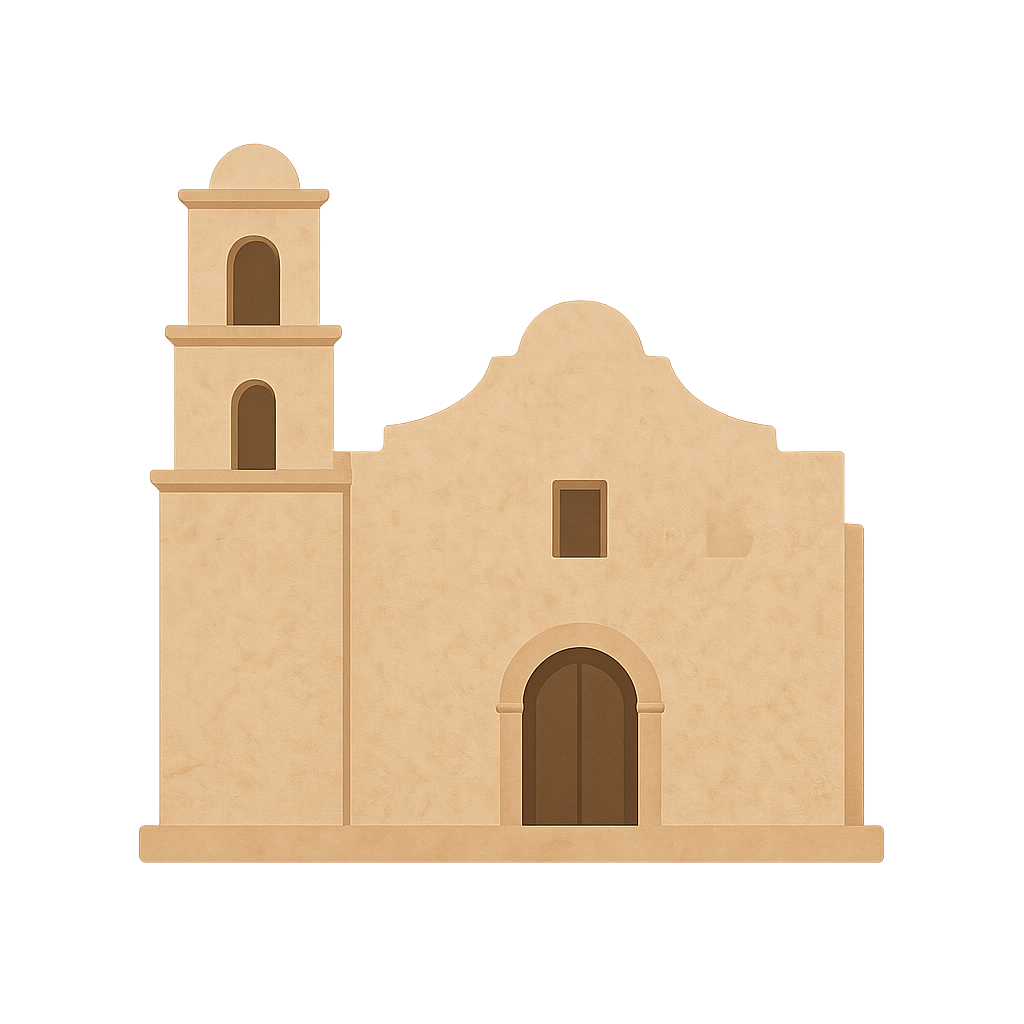
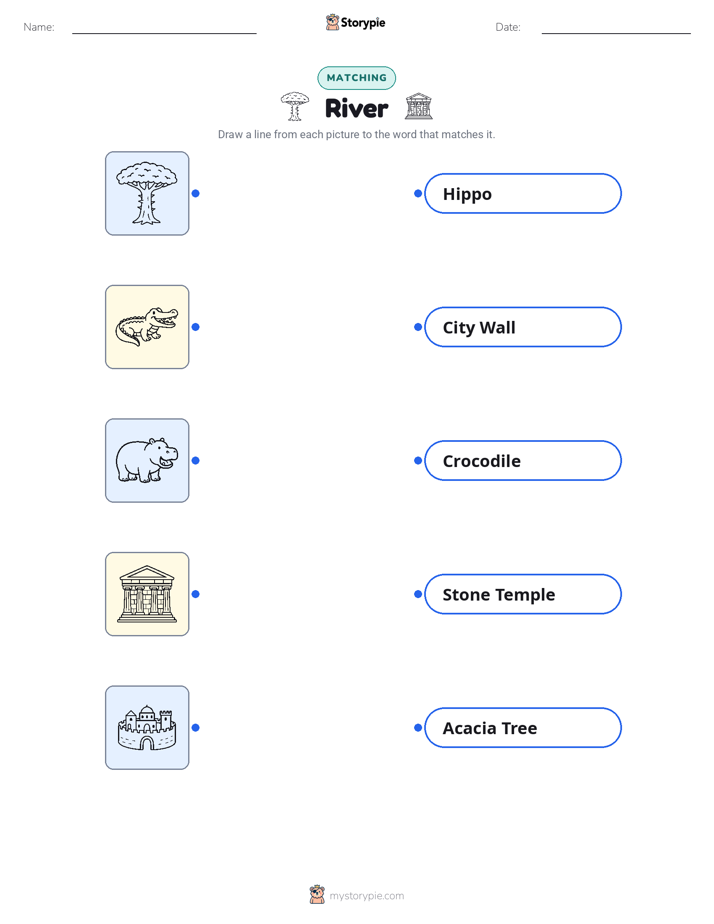
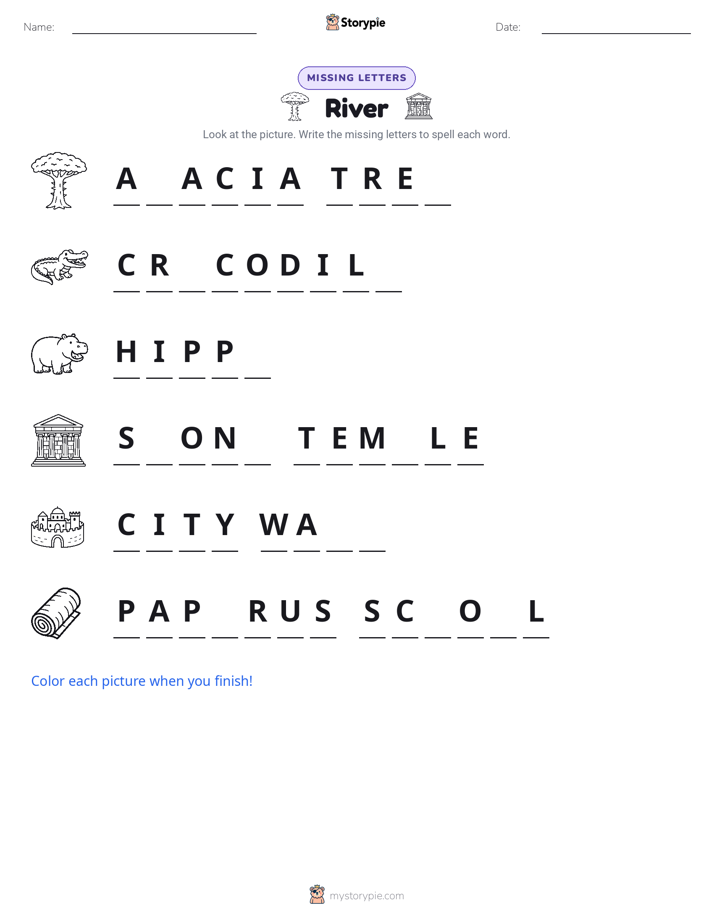
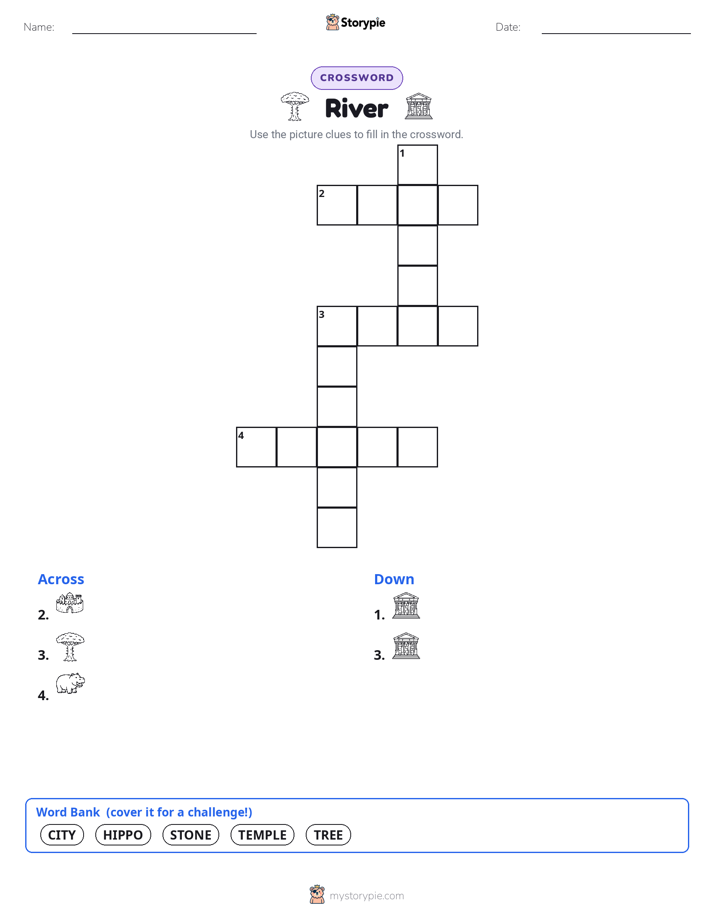
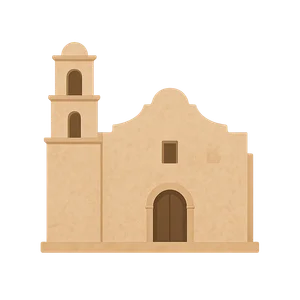
I begin my long journey high in the mountains of central Africa, a collection of tiny streams that merge and grow stronger, fed by rains and distant lakes. I carve a determined path northward, a life-giving ribbon twisting through vast, sun-scorched deserts and sprawling grasslands where acacia trees stand like lonely sentinels. For thousands of miles, I am the only constant source of water, the very heart of this arid land. My banks are a haven for life. In my deep, cool waters, powerful crocodiles glide silently, ancient hunters waiting patiently. Enormous hippos emerge at dusk, their grunts echoing in the quiet air as they graze upon the lush vegetation my presence allows. For millennia, I have watched civilizations rise and fall. Their magnificent stone temples and bustling cities have clung to my edges, their grand columns and towering statues casting long shadows on my surface. They knew my secret power, the gift I brought to the desert with each passing year. They studied my currents, they worshipped my strength, and they built their entire world around my dependable rhythm. I am more than just water. I am history, I am sustenance, I am the eternal pulse of this land. I am the Nile River, the giver of life to Egypt.
My story begins long before the first human voice echoed across my waters, in a geological time of immense change millions of years ago when the African continent was still taking shape. But my true partnership with humanity began with my greatest and most ancient gift: the annual flood. The ancient Egyptians called this season 'akhet,' and it was the foundation of their entire world, a promise I kept for thousands of years. Every year, beginning around June, heavy monsoon rains far to the south in the Ethiopian highlands would swell my sources, the Blue Nile and the Atbara. This powerful surge of water would travel hundreds of miles down my length, reaching Egypt and spilling over my banks in a predictable, powerful inundation that covered the surrounding valley for months. This was not a destructive, chaotic flood. It was a creative one, a gentle embrace. As my waters slowly receded around October, they left behind a priceless treasure: a thick, dark layer of incredibly fertile mud called silt. This silt was the perfect natural fertilizer, packed with minerals and nutrients gathered on my long journey. It renewed the land year after year, making it possible to grow abundant crops in the middle of a vast desert. The first farmers discovered this magic around 6000 BCE. They settled along my banks, learning to read my signs and follow my rhythms. They created calendars based on my cycles, and they built their lives around my annual gift of flood, planting, and harvest. I taught them patience and planning, and in return for their attention, I nourished them, allowing their small communities to grow, thrive, and dream of greatness.
The River of Life: My Story
I begin my long journey high in the mountains of central Africa, a collection of tiny streams that merge and grow stronger, fed by rains and distant lakes. I carve a determined path northward, a life-giving ribbon twisting through vast, sun-scorched deserts and sprawling grasslands where acacia trees stand like lonely sentinels. For thousands of miles, I am the only constant source of water, the very heart of this arid land. My banks are a haven for life. In my deep, cool waters, powerful crocodiles glide silently, ancient hunters waiting patiently. Enormous hippos emerge at dusk, their grunts echoing in the quiet air as they graze upon the lush vegetation my presence allows. For millennia, I have watched civilizations rise and fall. Their magnificent stone temples and bustling cities have clung to my edges, their grand columns and towering statues casting long shadows on my surface. They knew my secret power, the gift I brought to the desert with each passing year. They studied my currents, they worshipped my strength, and they built their entire world around my dependable rhythm. I am more than just water. I am history, I am sustenance, I am the eternal pulse of this land. I am the Nile River, the giver of life to Egypt.
My story begins long before the first human voice echoed across my waters, in a geological time of immense change millions of years ago when the African continent was still taking shape. But my true partnership with humanity began with my greatest and most ancient gift: the annual flood. The ancient Egyptians called this season 'akhet,' and it was the foundation of their entire world, a promise I kept for thousands of years. Every year, beginning around June, heavy monsoon rains far to the south in the Ethiopian highlands would swell my sources, the Blue Nile and the Atbara. This powerful surge of water would travel hundreds of miles down my length, reaching Egypt and spilling over my banks in a predictable, powerful inundation that covered the surrounding valley for months. This was not a destructive, chaotic flood. It was a creative one, a gentle embrace. As my waters slowly receded around October, they left behind a priceless treasure: a thick, dark layer of incredibly fertile mud called silt. This silt was the perfect natural fertilizer, packed with minerals and nutrients gathered on my long journey. It renewed the land year after year, making it possible to grow abundant crops in the middle of a vast desert. The first farmers discovered this magic around 6000 BCE. They settled along my banks, learning to read my signs and follow my rhythms. They created calendars based on my cycles, and they built their lives around my annual gift of flood, planting, and harvest. I taught them patience and planning, and in return for their attention, I nourished them, allowing their small communities to grow, thrive, and dream of greatness.
From those small farming villages that dotted my banks, I watched a mighty civilization bloom, one of the greatest the world has ever known. I was the thread that stitched dozens of communities into one powerful kingdom. Around 3100 BCE, I witnessed a great king, some call him Narmer, sail upon my waters to unite the lands of my valley—the southern Upper Egypt and the northern Lower Egypt—into a single, glorious empire. With this unity, the age of the pharaohs began, and I became their royal superhighway. My waters were the main artery for trade, communication, and monumental construction. When Pharaoh Khufu commanded the building of his Great Pyramid around 2589 BCE, it was on my back that colossal limestone and granite blocks, weighing many tons, were floated on wooden barges from distant quarries. Without my strong, steady current, the wonders of Giza could never have risen from the sand. I carried the grand, cedarwood barges of powerful rulers like Queen Hatshepsut on her famous expedition to the land of Punt, returning with exotic treasures. I felt the solemn passage of the funeral boat carrying the golden sarcophagus and worldly treasures of the young king Tutankhamun to his hidden tomb in the Valley of the Kings. I was not just a physical presence in their world. I was woven into the very fabric of their spiritual beliefs. They saw my annual flood as the divine work of the god Hapi, who they depicted as a plump, benevolent figure bringing the gift of fertility. They respected and feared the power of the crocodile god, Sobek, whose children, the real crocodiles, were a constant and dangerous presence within my depths. For three thousand years, I was the stage upon which the grand drama of the pharaohs unfolded, a constant, divine witness to their triumphs, their rituals, and their enduring legacy.
For millennia, my rhythm of flood and retreat was the unchanging heartbeat of Egypt. But in the modern era, humans learned to control my flow in a way the pharaohs could only have dreamed of. The greatest change in my long life began in 1960 CE with the construction of the Aswan High Dam. It was an immense undertaking, a wall of rock and clay designed to tame my power forever. On July 21st, 1970, the dam was completed, and for the first time in countless ages, my annual flood was stopped. This new rhythm brought great benefits. The dam generated enormous amounts of electricity, powering cities and industries across the country. It created a vast reservoir, Lake Nasser, which stored water and allowed farmers to irrigate their fields year-round, harvesting multiple crops instead of just one. But this new era also presented a monumental challenge. As the waters of Lake Nasser began to rise, they threatened to submerge dozens of ancient temples and monuments, drowning history forever. The most famous of these were the great rock-cut temples of Abu Simbel, built by Pharaoh Ramesses II. The world could not let this happen. In an unprecedented act of global cooperation, UNESCO launched a massive rescue mission. Between 1964 and 1968 CE, engineers from around the world painstakingly cut the entire temple complex into huge blocks, some weighing 30 tons, and moved them piece by piece to higher ground, reassembling them exactly as they were. It was a testament to modern ingenuity, saving ancient wonder.
Today, my flood is a memory, a story told in history books. Yet, I endure. My waters still flow on the same timeless journey from the heart of Africa to the Mediterranean Sea. I pass bustling, modern cities like Cairo, where skyscrapers now stand where papyrus marshes once grew. Bridges of steel and concrete span my width, carrying cars and trains, but you can still see the elegant, white-sailed boats called feluccas zig-zagging across my surface, using the same winds that pushed the pharaohs’ barges. I am still a home for birds and fish, a source of life for the farms that line my banks. I connect the incredible past, the world of pyramids and gods, with the vibrant, fast-paced present. I am a living museum, a timeless witness to the endless flow of history. I continue to nourish the land and inspire the millions of people who live along my banks, a constant, flowing reminder of the awesome power of nature and the incredible resilience and ingenuity of humanity.
Wow facts
About
The Nile River is traditionally recognized as the longest river in the world, flowing through northeastern Africa. It was the lifeblood of ancient Egyptian civilization and remains a vital resource for Egypt and Sudan today.
Take a Quiz
Question 1 of 5
In the story, the Nile says it was a 'royal superhighway' for the ancient Egyptians. What does the word 'superhighway' suggest about the river's role?
Explore next



Want to do even more?
Go beyond exploring. Unlock tools that turn every story into real learning.

Storypie Plus for families
Full stories, quizzes, and printables. Nights and car rides, sorted.
- Unlimited audio stories
- Create Mode: your child stars in the story
- Offline downloads
- Printable worksheets & coloring pages

Why Storypie for Schools
Students engaged. Prep in seconds. Evenings back to you.
- Worksheets & Quizzes
- Classroom Management
- Formative Assessment
- Custom Curriculum & Lesson Plans
- 27 Languages

Why Storypie for Homeschool
Curriculum done. They'll ask for more. Hours back in your day.
- Worksheet Generator
- First-Person Audio Stories
- Built-in Comprehension Quizzes
- Custom Curriculum & Lesson Plans
- Print & Go Activities