What is biodiversity for kids?
Biodiversity for kids explains the story of life around us. It covers tiny genes, many species, and whole ecosystems. In short, biodiversity means variety at every living level. That variety gives us food, medicine, clean water, and wonder. Plus, it makes the world dazzling and delightful.
Three simple levels
Scientists talk about biodiversity at three levels. First, genetic diversity lives inside species. Second, species diversity includes the many kinds of plants and animals. Third, ecosystem diversity covers rivers, woodlands, coasts, and more. For example, genetic variety helps crops resist disease. Also, species diversity keeps food webs stable. In addition, different ecosystems deliver different services to people.
Why biodiversity matters
Pollinators such as bees, butterflies, and birds help grow about three quarters of important crops. Soil microbes cycle nutrients and feed plants. Forests store carbon and clean the air. Culture and wonder come from wild places, too. Families can feel the joy and awe when they notice nature together. However, biodiversity is under significant threat. As of 2023, approximately 44,000 species are threatened with extinction, about 2,000 more than the previous year, highlighting the urgency of conservation efforts.
How scientists measure biodiversity
Researchers count species and measure abundance. They use diversity indices and genetic markers. They also track extinction risk with the IUCN Red List. So far, people have formally described about 1.5 to 2 million species. Yet estimates reach several million. Many insects, fungi, and microbes remain poorly known. Alarmingly, as of 2025, more than 48,600 species are threatened with extinction, with the Red List Index declining from 0.80 in 1993 to below 0.75 in 2025.
Major threats and hope
Threats include habitat loss, climate change, invasive species, pollution, and overexploitation. These pressures raise extinction risk. Over 40 percent of amphibian species, nearly one-third of reef-forming corals, more than one-third of marine mammals, and an estimated 10 percent of insect species are threatened with extinction. However, recovery is possible. Bald eagles and some whales recovered after protections. Reintroduction programs can help, too. In short, conservation works when people, laws, science, and communities join forces.
Everyday biodiversity and simple family actions
Everyday biodiversity shows up in urban parks, hedgerows, garden birds, pollinators, and the soil below our feet. Tiny heroes live underfoot. Try small actions that add up. For example:
- Plant native flowers and shrubs to help pollinators.
- Reduce single use plastics and compost kitchen scraps.
- Support local reserves and join community events.
Also, teach children to notice the small things. Visit a coastal path or a wood. Talk about who lives there. Join local citizen science projects when you can.
Protection, culture, and community
Protected areas now cover a low to mid teens percentage of land. Less than ten percent of oceans have protection. Notably, over 20% of mapped global species richness is found in UNESCO World Heritage sites, despite these areas covering just 1% of the Earth’s surface. Seed banks store crop diversity as insurance for food security. Indigenous peoples and local communities protect many diverse places. They share knowledge that helps restoration. Truly, little actions add up into big, magical change.
Read or listen to a story about Biodiversity now: For 3-5 year olds, For 6-8 year olds, For 8-10 year olds, and For 10-12 year olds.
Storypie offers age-tailored stories and audio that bring these ideas to life at bedtime or anytime. Happy exploring, and enjoy the magic.
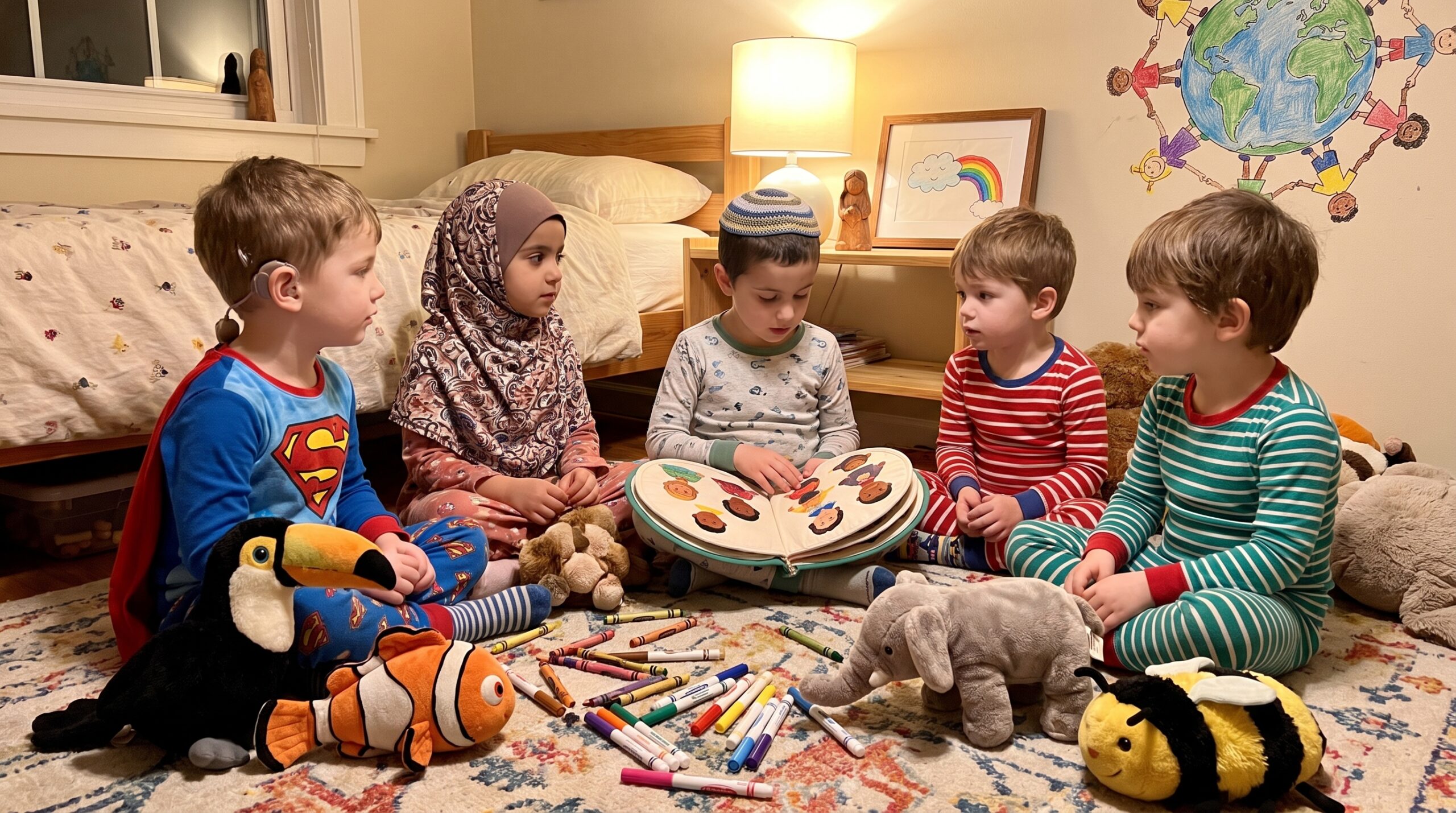
Final thought: biodiversity is like a giant library or a bright box of crayons. Every color matters. When families notice, protect, and celebrate nature, children learn that uniqueness is a superpower. Go explore, wonder, and act. Wow!