Education through storytelling for ages 3-12 helps children learn without drills. Parents and teachers see quick gains in vocabulary and comprehension. For busy routines, ten-minute audio tales calm mornings and spark curiosity. A 2025 meta-analysis of 25 studies found that interactive reading produces a medium aggregate effect on young children’s narrative ability, particularly benefiting children aged 4–5 years.
Why stories teach so well
Stories shape cause and effect. They give children characters to care about. Also, narratives create sequences the mind can follow. As a result, facts attach to memorable events and feelings. Research shows that storytelling in school settings enhances psychological resilience in children, leading to reductions in anxiety and depression symptoms, and improved emotional regulation and coping skills, according to a 2024 systematic review.
What the brain does
When children listen, language systems and imagery activate together. This builds listening comprehension and vocabulary at once. In practice, a single clear causal chain gives kids a hook to remember facts. A 2026 systematic review with meta-analysis found a notable overall effect size of g = 0.62 on narrative skills from dialogic reading interventions involving over 1,800 preschool children, reinforcing the impact of storytelling on learning.
By age band: how storytelling helps
Education through storytelling for ages 3-12 should match how children think at each stage. Below are practical expectations by age.
- Ages 3 to 5: Language explodes. Short character stories help sequence events and teach new words.
- Ages 6 to 8: Decoding skills grow. Oral narratives bridge speech and print and model inference.
- Ages 9 to 12: Kids handle complex plots and perspectives. Stories sharpen critical thinking and empathy. A 2025 study of fifth-grade students found that those exposed to educational storytelling showed a 40% improvement in writing proficiency compared to a control group.
Why audio stories are especially clever
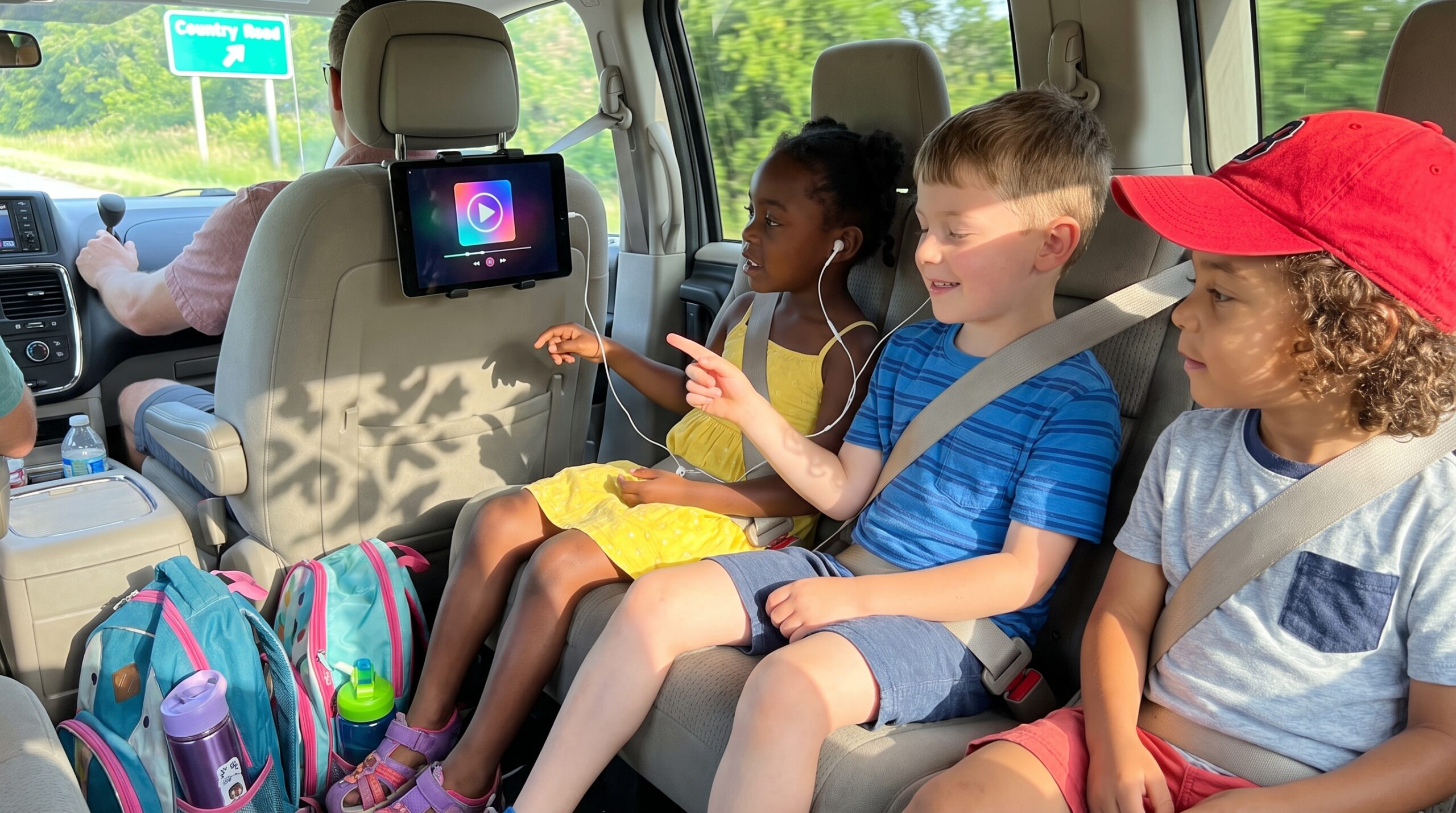
Audio reduces screen time and fits into daily routines like breakfast or commutes. Without pictures, children make their own mental images. Consequently, visualization and inference skills strengthen. Additionally, a 2026 open-access study discovered that in face-to-face storytelling using a scaffolding approach, learners experienced better outcomes and higher neural synchrony between teacher and child compared to passive listening.
Ten-minute tales hit a sweet spot. They work for short trips and help focus lively mornings.
Simple rituals that stick
After listening, ask two quick questions. For example, “What surprised you?” and “What would you change?” Then do a tiny follow-up task. Draw the hero or act one scene for sixty seconds. These mini rituals turn listening into doing.
Picking stories that teach
Look for clear structure, relatable characters, and gentle repetition. Also pick stories that show different cultures and voices. Diversity helps children build empathy and broader vocabularies.
Quick tips for busy parents and teachers
- Keep sentences short and lively in the tales. Then new words land faster.
- Choose age-appropriate content and avoid high emotional intensity before sleep.
- Aim for daily or several times a week. Consistency beats intensity.
Education through storytelling for ages 3-12 is powerful but not magic. It builds vocabulary, narrative skill, listening comprehension, and empathy over time.
Want short, diverse audio tales you can play right now? Browse Storypie stories to find ten-minute tales that teach as kids listen.