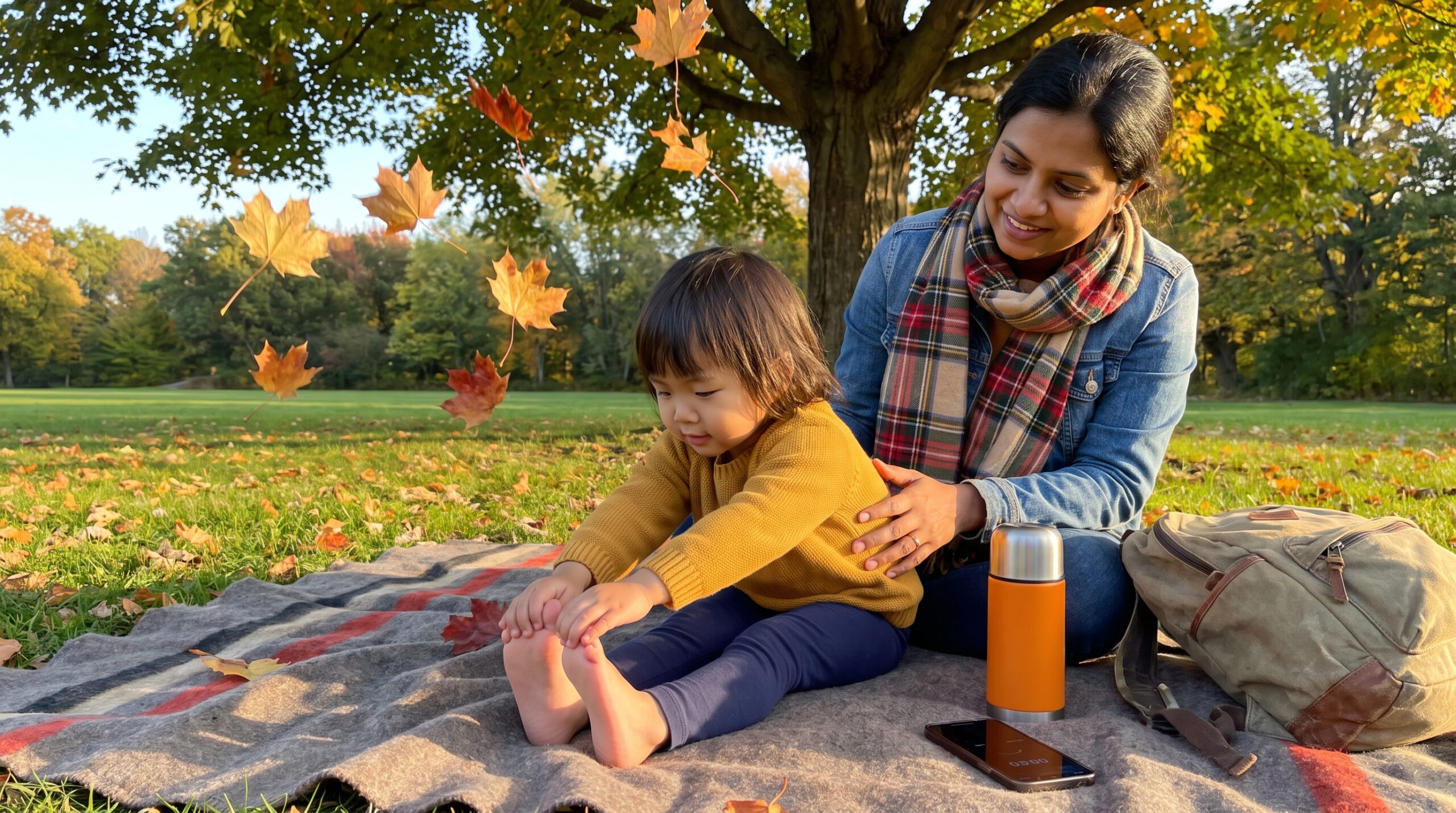
Stretching helps muscles move more freely and supports balance and calm. A family stretching routine brings short, joyful movement into busy days. Parents and teachers will find these safe, simple ideas easy to try together.
What is stretching and why it matters
Stretching means gently lengthening a muscle or tendon to improve motion around a joint. It also helps muscles feel less tight. For families, stretching supports flexibility, posture, and a calmer body and mind. Best of all, it is a tiny habit that helps children feel steadier in play and school time. A 2024 meta-analysis found that static stretching produces a moderate effect on acute flexibility and a large effect on chronic flexibility, making it a valuable practice for families.
Main types, simply explained
Here are the common types of stretching, explained in plain words:
- Static stretching means moving into a gentle position and holding it for a short time.
- Dynamic stretching uses controlled movement through the full range of motion to warm up.
- Ballistic stretching uses bouncy movements. It is not recommended for children.
- PNF is partner-based contract and relax sequences. Leave this to trained adults or therapists.
When to stretch and a quick Storypie tip
Dynamic stretches work well before activity. Static stretches help with cool down and relaxation after exercise. First, warm up for 2 to 5 minutes with light activity like marching or walking. Next, try a gentle leg stretch with your child on a crisp autumn afternoon. Imagine muscles as rubber bands after school or screen time. Tip: do three slow reps per leg and stop if it hurts. Research from the American Heart Association suggests that holding static stretches for 10 to 30 seconds is beneficial for most, while older adults might benefit from holding stretches longer for increased flexibility.
Try the Storypie app for short audio prompts that pair well with stretching. Try the Storypie app for quick, playful moments.
Age and safety notes for growing bodies
Children are often more flexible than adults. Do not push to extremes. Avoid aggressive stretches across painful areas. If a child has a recent injury or a medical condition that affects connective tissue, seek guidance from a pediatrician or physiotherapist. If stretching causes sharp pain, numbness, or a limp, stop and consult a clinician.
How long and how often for a family stretching routine
Short and steady beats long and rare. For young children, keep holds brief and use play-based repetition. Aim for 10 to 15 second holds. Do 2 to 3 slow reps per side for major muscle groups. A simple after-school routine can take 3 to 5 minutes. A 2026 systematic review suggests that long-duration stretches held for more than 60 seconds yield significant flexibility improvements, so consider this when guiding your family’s routines.
Try this quick layout:
- 30 to 60 seconds light warm-up
- 2 to 3 dynamic swings or arm circles per side
- 2 to 3 static holds per major muscle group
- Finish with three deep breaths
Simple, child-friendly stretches to try
- Seated hamstring reach: reach for toes or shins with a straight back
- Standing quad stretch: hold the ankle gently behind you
- Calf stretch: hands on a wall and step one foot back
- Butterfly pose: soles together and knees wide like a fluttering butterfly
- Gentle forward lunge for hip mobility
- Shoulder rolls and arm circles for upper body ease
- Cat and cow for spine mobility
- Child’s pose for a resting stretch and calm breath
What the evidence says
Research shows dynamic warm-ups improve short term movement and readiness. Static stretching after activity helps with relaxation and flexibility. A Cochrane review found that stretching before or after exercise does not produce clinically important reductions in delayed-onset muscle soreness in healthy adults, which is an important consideration for families. Evidence on stretching alone preventing injury is mixed, but it remains a useful practice for maintaining flexibility. PNF can increase range of motion when done by trained practitioners.
Make it playful and practical
Turn moves into animal poses or use a favorite song as a timer. Teachers can use the same cues so home and school match. Most importantly, keep the mood light and encouraging. Small, regular stretches are delightfully simple ways to tune bodies and minds.
Read or listen to a story about Stretching now: For 3-5 year olds, For 6-8 year olds, For 8-10 year olds, and For 10-12 year olds.
If you want more ideas, visit the Storypie wellness collection at Read or listen to a story about Stretching now. Keep it playful, keep it short, and enjoy moving together.