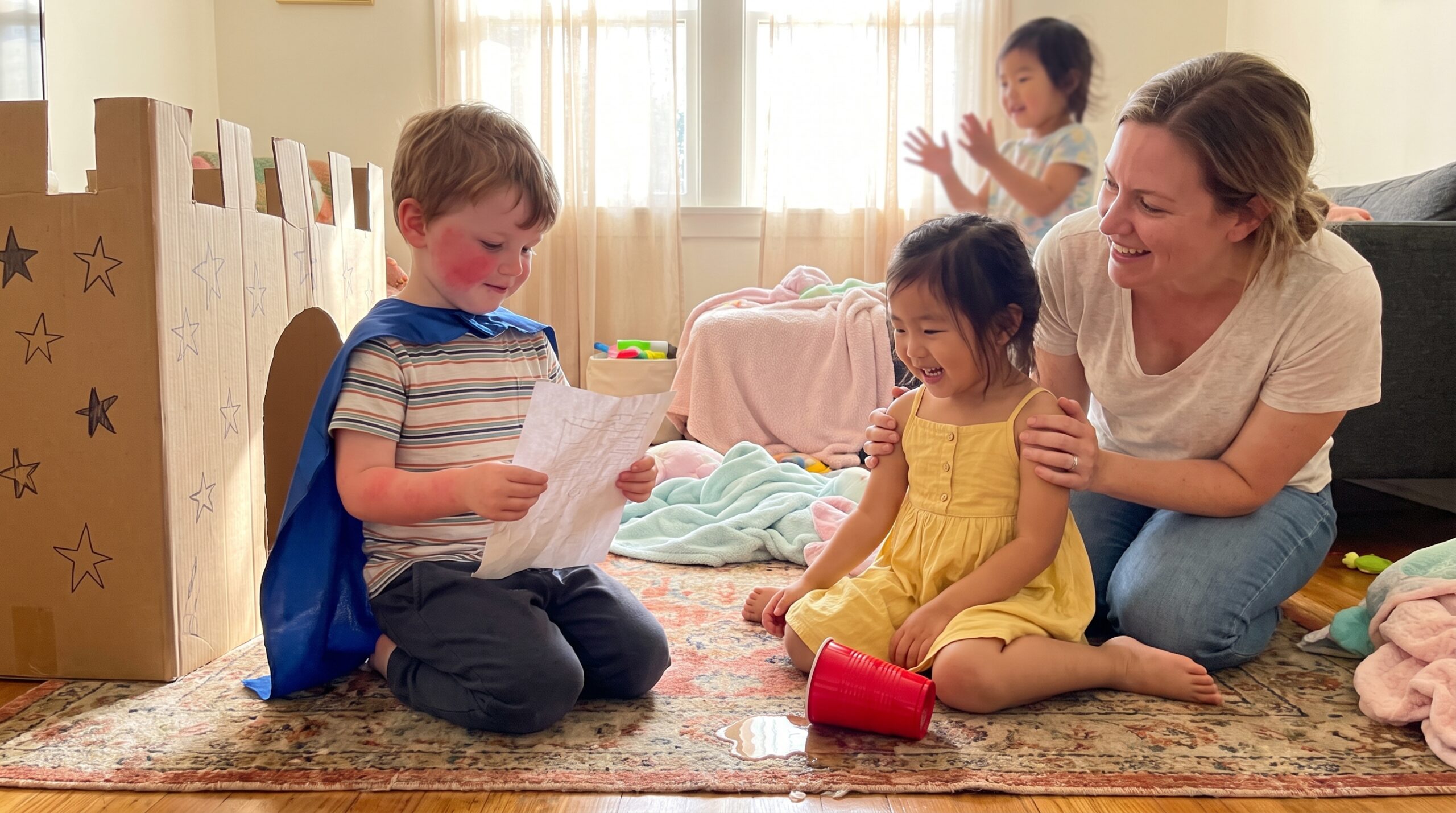
Embarrassment in children shows up like a hot-cheeked visitor. It arrives when a child feels exposed, awkward, or judged.
What embarrassment looks like
Children show embarrassment in many small ways. They may blush, giggle, hide, or hurry away. Sometimes they laugh to cover the feeling. Often a deep breath and a shared smile help the moment pass. Research from a study of university students found that the most common cause of embarrassment in public situations was disruption of social interaction, which can resonate with children’s experiences in social settings.
Why blushing happens
The body reacts automatically. The nervous system sends more blood to the face. Therefore the cheeks warm and look red. That physical rush sends a social message. It signals that something felt awkward. Often the signal nudges repair and friendship mending. A 2024 psychological study comparing public versus private embarrassment found that individuals reported significantly higher embarrassment levels in public, which helps explain why children may feel more uncomfortable in group settings.
When embarrassment in children appears
Self-awareness grows between 18 and 24 months. After that, toddlers can start to hide their faces. Preschoolers often name the feeling. Later, teens feel it most intensely because they imagine others watching. Also, temperament, family, and culture shape how children show embarrassment. For instance, a global study highlighted that those with a close relative suffering from a mental health condition were more likely to feel embarrassed, emphasizing the impact of familial relationships on children’s emotional development.
How embarrassment differs from shame and guilt
Embarrassment is brief and usually about being exposed. Shame feels broader and says I am bad. Guilt focuses on a specific action. This simple distinction helps parents choose how to respond calmly.
Simple steps that actually work
Stay calm and breathe together. Your calm gives the child a steady cue.
- Stay calm. Breathe together and ground the moment.
- Name it. Say, “You look embarrassed.” Keep it short.
- Use light humor. A shared smile helps the heat fade.
- Teach a tiny script. Try two lines only. For example, “That was an oops. Want to say, ‘Sorry’ ?”
- Move on. Praise the try. A tiny win matters most.
Classroom and home practice
Teachers and parents can downplay the spotlight. Offer quiet reassurance and quick recovery steps. Practice short scripts in playful role-play. Use a friendly label like the hot-cheeked visitor. Kids often laugh and move on faster.
Modeling and cultural notes
Model your own blushes aloud. Confess a tiny oops and then laugh. This shows recovery is normal and possible. Remember, some families respond softly and some laugh together. Calm and predictable responses build emotional muscle. Interestingly, a 2026 cognitive study found that bilingual individuals preferred discussing embarrassing topics in a foreign language, as they associated it with fewer emotional consequences, a helpful insight for parents with children who are bilingual.
Try this gentle bedtime practice
Share one of your own red-face moments. Then invite your child to say a one-sentence comeback. Keep it short and playful. This builds memory and a ready grin for the next wobble.
Read or listen to a story about Embarrassment now: For 3-5 year olds, For 6-8 year olds, For 8-10 year olds, and For 10-12 year olds.
Want a handy tool? Try the Storypie app for short stories and playful practice. Get the app and make practice fun tonight.
Small, calm moves help children face the hot-cheeked visitor. With a tiny script and light laughter, kids gain confidence and a grin.