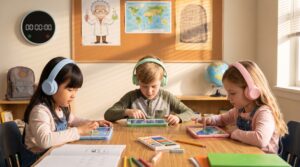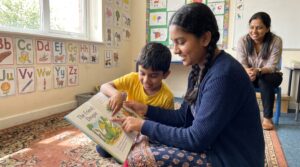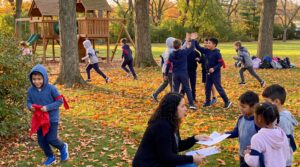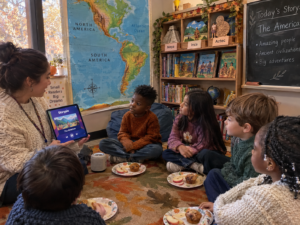
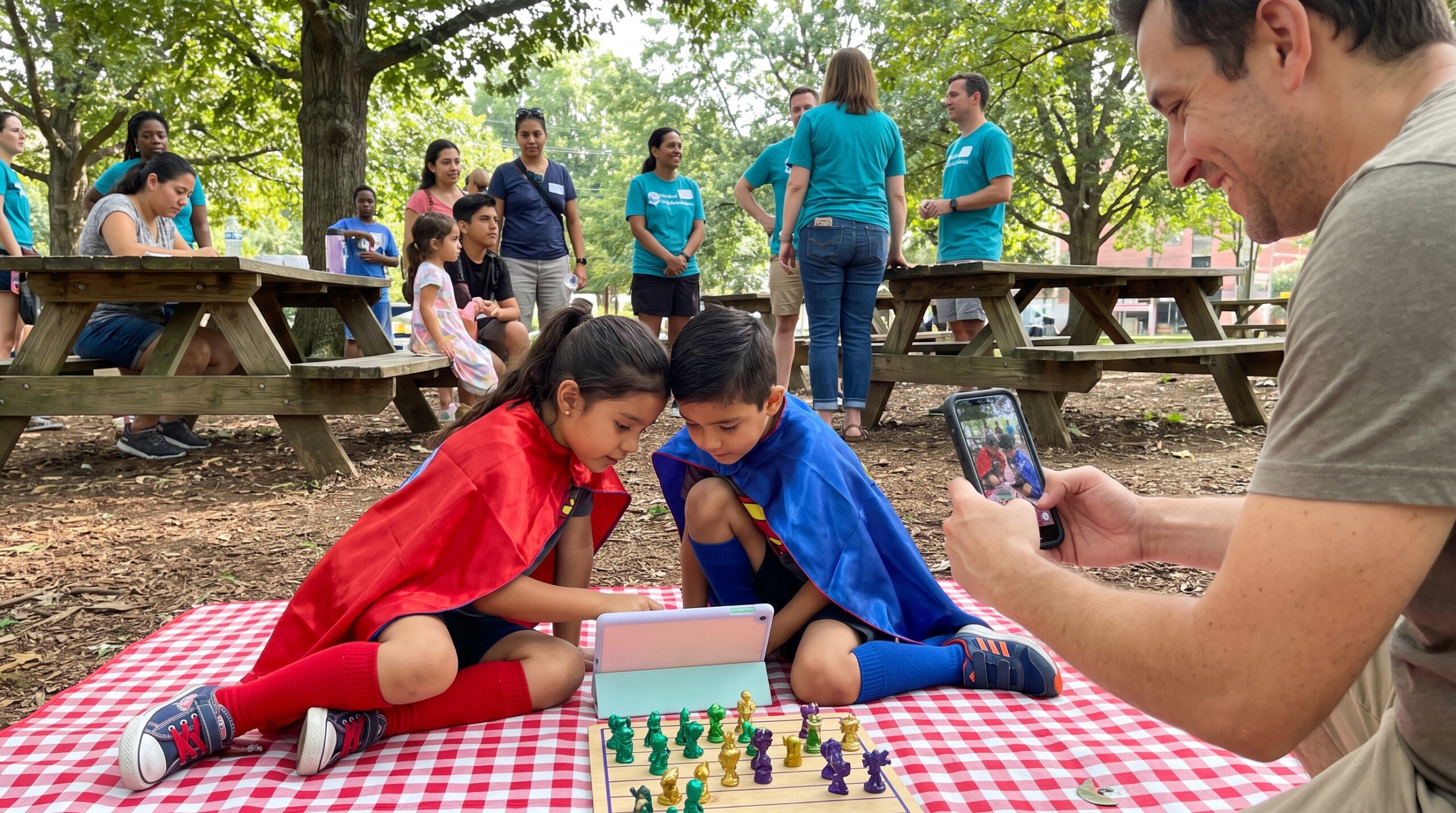
How kids become the hero starts with small choices and bold pretend. Children step into a lead role. They pick names, set tiny goals, and test ideas. These acts shape confidence and identity. In fact, in the 2024/25 academic year, 68.3% of children in England achieved a good level of development by the end of the Early Years Foundation Stage, marking a 3.1 percentage point increase since 2021/22. This indicates that more children are prepared to take on roles as active participants in their own adventures.
How kids become the hero: what it means
The phrase describes a child as protagonist in everyday moments. It covers play, social decisions, and private experiments with identity. In these moments, children learn to act, decide, and own outcomes. This growth looks simple and wonderfully real. It’s important to note that among U.S. parents of children ages 5–8, 74% say they make it a point to have their child do things themselves, but only 47% of children regularly talk to health professionals on their own. This illustrates the gap between parental intentions and children’s actual independence.
Developmental stages and characteristics
Toddlers use short pretend and name-play. Preschoolers try roles and feelings. School-age children solve problems and lead small projects. Teens explore values and new identities. Each stage increases agency and self-trust. Additionally, a 2025 meta-analysis of 2,886 children across 25 studies reveals that children who participate as story protagonists show significantly better narrative skills than passive listeners, highlighting the importance of active participation in storytelling for their development.
Psychological roots
Researchers have studied this idea for decades. Bandura linked small wins to belief in one’s ability. Vygotsky and Piaget explained how play builds social thought and rules. Erikson focused on mastery and identity across childhood. Self-Determination Theory highlights why choice fuels motivation and wellbeing. Moreover, among ‘left-behind’ children in China, school empowerment has a direct positive impact on mental health, with psychological empowerment mediating about 49.015% of the total effect of school empowerment on mental health, indicating the crucial role of educational environments in fostering children’s mental health and empowerment, which is vital for their adventures.
Signs you are seeing a child become the hero
Look for clear, observable changes. These signs show growing protagonism:
- More initiative in play and daily tasks.
- Persistence with problems instead of quick giving up.
- Cooperative leadership with peers.
- Calm problem solving when plans change.
A teen example
A thirteen-year-old mapped a neighborhood walk. The teen chose music and invited siblings. This example shows low-stakes leadership and real planning. It feels exciting and a bit grown up.
Balance, safety, and healthy limits
Children need clear boundaries and adult check-ins. Limits help adventures stay age-appropriate. Also, encourage outdoor play and social moments alongside any digital tool. Co-play and co-view when screens are present. Interestingly, a study published in November 2025 found that overall leisure enjoyment was positively associated with life satisfaction among elementary school-age children, with emotional self-efficacy partially mediating this relationship, reinforcing the theme of children as heroes in their own lives.
Storypie as a supportive resource
Storypie celebrates and documents these moments. The platform offers prompts and gentle supports that echo developmental research. Visit the Storypie blog to learn more about how kids step into lead roles. For families who want a friendly companion, see the Get the Storypie app page.
Final thought
How kids become the hero is about repeated chances to choose, act, and reflect. Those small moments build lasting confidence. Notice them, celebrate effort, and enjoy the wonder.