Leonardo da Vinci for kids begins with a bright spark of curiosity. He asked why, looked closely, and then drew what he saw. Leonardo di ser Piero da Vinci (1452 to 1519) was an Italian polymath. He painted, invented, studied science, and loved careful looking. Born on April 15, 1452, and passing away on May 2, 1519, Leonardo’s life spanned a remarkable period of artistic and scientific discovery, making his contributions even more significant according to the National Gallery of Art.
Leonardo da Vinci for kids: Who he was
Born on April 15, 1452, in Vinci near Florence, Leonardo trained in Andrea del Verrocchio’s workshop. He worked in Florence, Milan, Rome, and later for the French king. Major works children often recognize include the Mona Lisa, The Last Supper, and the Vitruvian Man. Interestingly, only around eight major works are universally attributed to Leonardo da Vinci, with an additional ten widely accepted attributions, resulting in approximately 18 paintings accepted by most scholars. Each work blends art and science in clever ways.
Notable places and roles
Leonardo was a painter, an inventor, a draftsman, and an observer. He sketched machines, studied anatomy, and wrote in mirror script. Also, he kept many notebooks called codices. The Codex Atlanticus, which comprises 12 volumes and contains 1,119 paper leaves (2,238 pages) of Leonardo’s drawings and writings, dating from 1478 to 1519, and the Codex Leicester are two famous collections of his notes and drawings. More than 4,000 pages of Leonardo da Vinci’s notebooks remain today, providing insight into his observations across art, science, and invention.
Notebooks, methods, and curious thinking
Leonardo used drawing as a way to learn. He measured, sketched, tested, and wrote observations. He drew muscles and bones to study anatomy. He watched birds to think about flight. Then he returned to his sketchbook and asked more questions. His simple method inspires careful looking and playful exploration.
Quick facts kids love
- Pronunciation: lay-oh-NAR-doh dah VIN-chee.
- Left-handed artist who often wrote right to left.
- Played music and drew machines that look like inventions.
Why the Mona Lisa makes children curious
The Mona Lisa’s smile feels like a little puzzle. From different angles her expression can seem to change. Kids ask, Is she happy or hiding a secret? That wonder is exactly what Leonardo wanted. The Last Supper shows a dramatic moment with many faces. The Vitruvian Man links art and the human body using simple math and circles.
A short summer morning and a simple tip
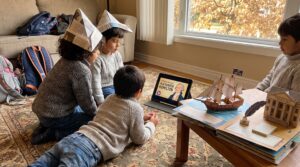
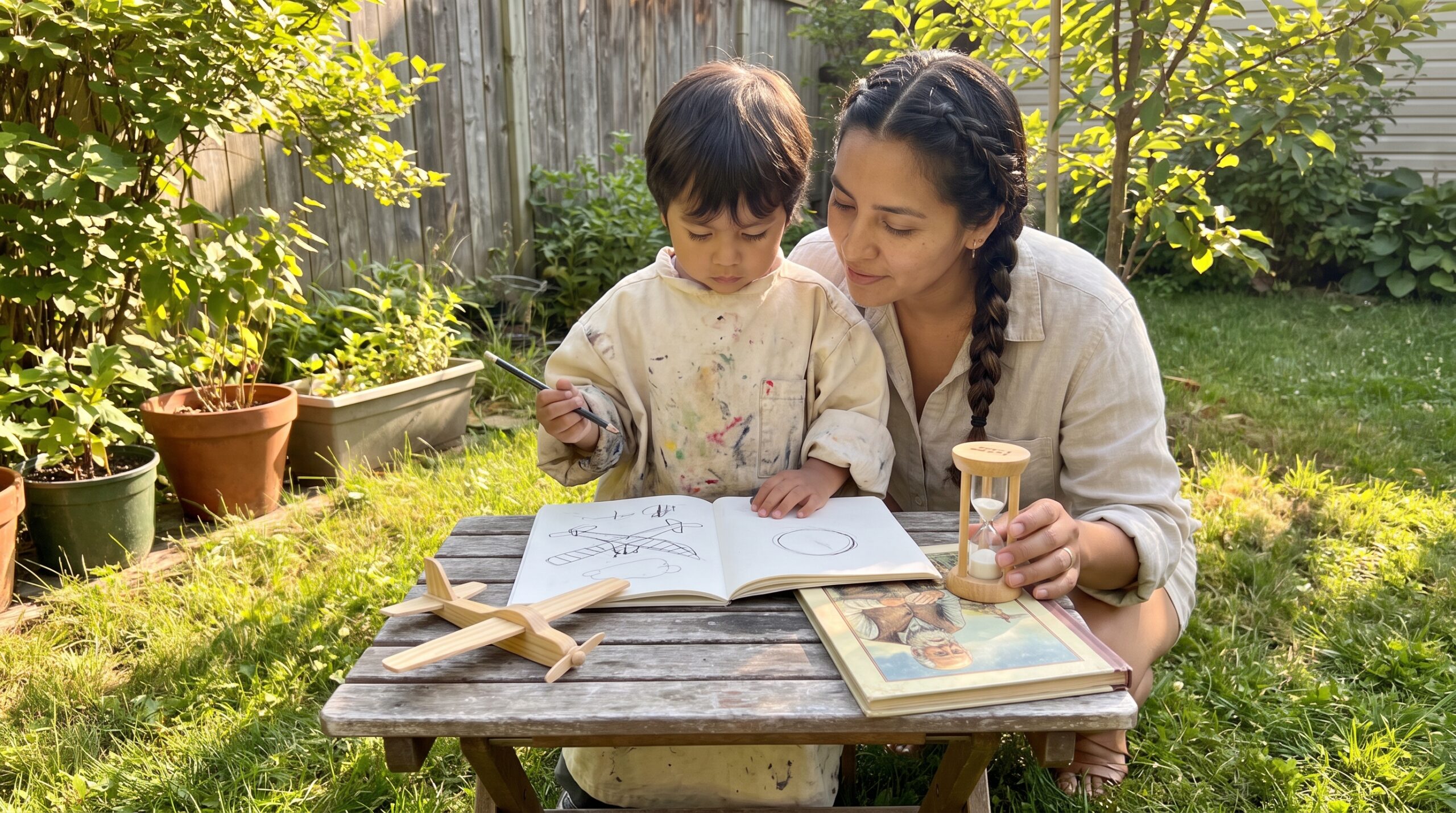
On a warm morning, Storypie shares Leonardo da Vinci’s curiosity and bright habit of asking why. Tip: ask one why question after the story. Then give your child three minutes to sketch. Quick sketching boosts observation and makes seeing feel like play.
Activity card
- Read a short paragraph about Leonardo’s curiosity.
- Ask one why question. For example: Why do birds’ wings curve when they fly?
- Give your child three minutes to sketch what they notice.
- Ask them to explain one thing they observed.
Where to see his work
Families can find originals and facsimiles in museums. For example, see the Mona Lisa at the Louvre, and The Last Supper at Santa Maria delle Grazie. Also, the Codex Atlanticus is at the Biblioteca Ambrosiana. The Museo Leonardiano in Vinci celebrates his legacy. Leonardo’s active painting career spanned approximately 47 years, from 1472 to 1519, during which he left behind fewer than 20 recognized paintings overall, illustrating the rarity and value of his works.
Read or listen to a story about Leonardo da Vinci now: Read or listen to a story about Leonardo da Vinci now: For 3-5 year olds, For 6-8 year olds, For 8-10 year olds, and For 10-12 year olds.
Finally, if you want a gentle nudge, get the Storypie app to hear stories and try the activity together: Get the Storypie app. Leonardo shows us that seeing leads to making. When children sketch, they think like both scientists and artists. What a delightful start.