
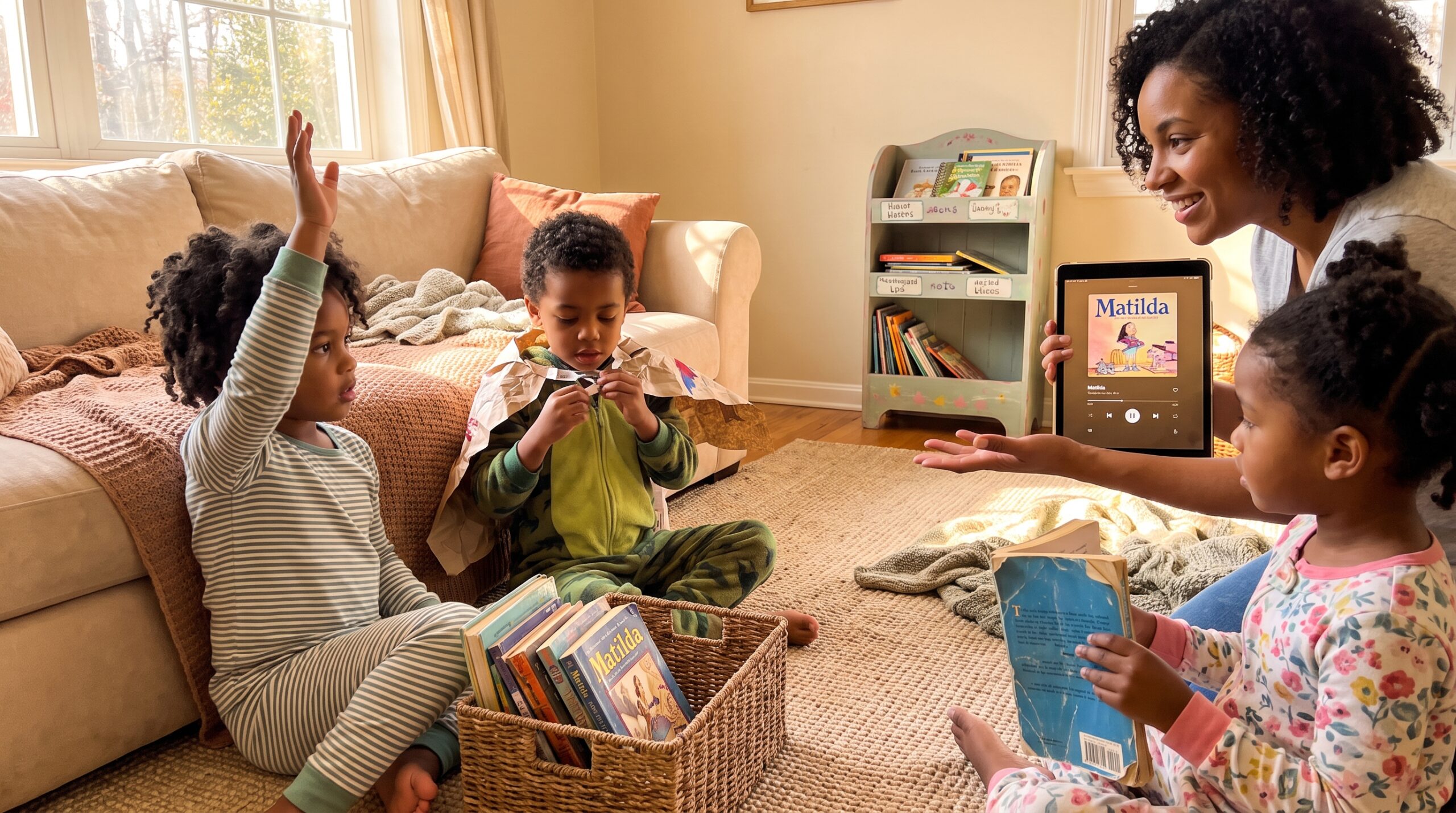
Matilda (novel) is Roald Dahl’s cheeky, bright classic about a very clever child. It celebrates reading, mischief, and small brave acts. Quentin Blake’s spare drawings dance across the pages, playful and bold. Published on October 1, 1988, the book contains 240 pages of delightful storytelling.
Matilda (novel): Quick snapshot
Matilda Wormwood is exceptionally smart. She teaches herself to read. Her parents hardly notice. At school she finds a gentle ally in Miss Honey. The headmistress, Miss Trunchbull, rules with fear. Matilda discovers she can move things with her mind. Then she uses that power to right wrongs. Over the years, Matilda has sold over 17 million copies worldwide, making it one of Roald Dahl’s most popular works.
Main characters
- Matilda: brilliant, brave, and book-loving.
- Miss Honey: kind, quiet, a safe place.
- Miss Trunchbull: comic and frightening, the novel’s villain.
- The Wormwoods: neglectful, loud, selfish.
- Classmates: Lavender, Bruce Bogtrotter, and others who matter in perfect small ways.
Why Matilda (novel) still matters
The story prizes curiosity. It treats reading as an everyday superpower. Books give Matilda language, courage, and ways to see adults clearly. Also, the novel asks who counts as right and who is wrong. It asks children to notice cruelty and to answer with kindness. In 2023, Matilda was ranked number 10 in the BBC’s poll of ‘The 100 greatest children’s books of all time,’ underscoring its lasting impact and relevance in children’s literature.
Scenes you will remember
Matilda devours books in tiny corners. Miss Trunchbull throws rules like thunder. The chocolate cake scene feels absurd and tense. The chalkboard trick and Matilda’s telekinesis are wonderfully theatrical. The chokey is scary in a Dahl way: dark yet comic.
Themes and tone
Love of learning sits at the center. Kindness faces cruelty. Child empowerment and a sense of justice run through the pages. Roald Dahl’s dark humour makes mean adults feel exaggerated. As a result, young readers feel powerful without long fear.
Adaptations and lasting legacy
Matilda reached new audiences in the 1996 film and the award-winning stage musical. It appears in classrooms and on community stages worldwide. The book shows that books are a superpower and that kindness beats cruelty. Cozy up with Storypie’s audio edition this summer. The novel also received the Red House Children’s Book Award in 1989, recognizing its excellence in children’s literature shortly after publication.
Read or listen to a story about Matilda (novel) now: Read or listen to a story about Matilda (novel) now: For 3-5 year olds, For 6-8 year olds, For 8-10 year olds, and For 10-12 year olds.
Content notes and gentle guidance
The book shows neglect, bullying, and corporal punishments. Dahl presents these in comic tones. Prepare younger listeners for tense scenes. Pause and name feelings if needed. Above all, the novel frames hard things with wit and bright language.
Notes for parents and educators
This guide focuses on the book itself: its characters, themes, and legacy. Families often find it sparks rich conversation about courage and kindness. Audio editions sharpen voices and humour. Consider a listening session to hear the rhythm and menace come alive. In 2012, Matilda was ranked number 30 among the top 100 children’s novels by the School Library Journal, making it one of the most celebrated children’s books.
Quick takeaways
- Matilda (novel) celebrates reading as power.
- The book blends dark humour with warm moments.
- Its characters stay memorable and often act as mirrors for children.
Enjoy revisiting this clever, cheeky classic. For more Storypie stories and audio editions, visit Storypie.