
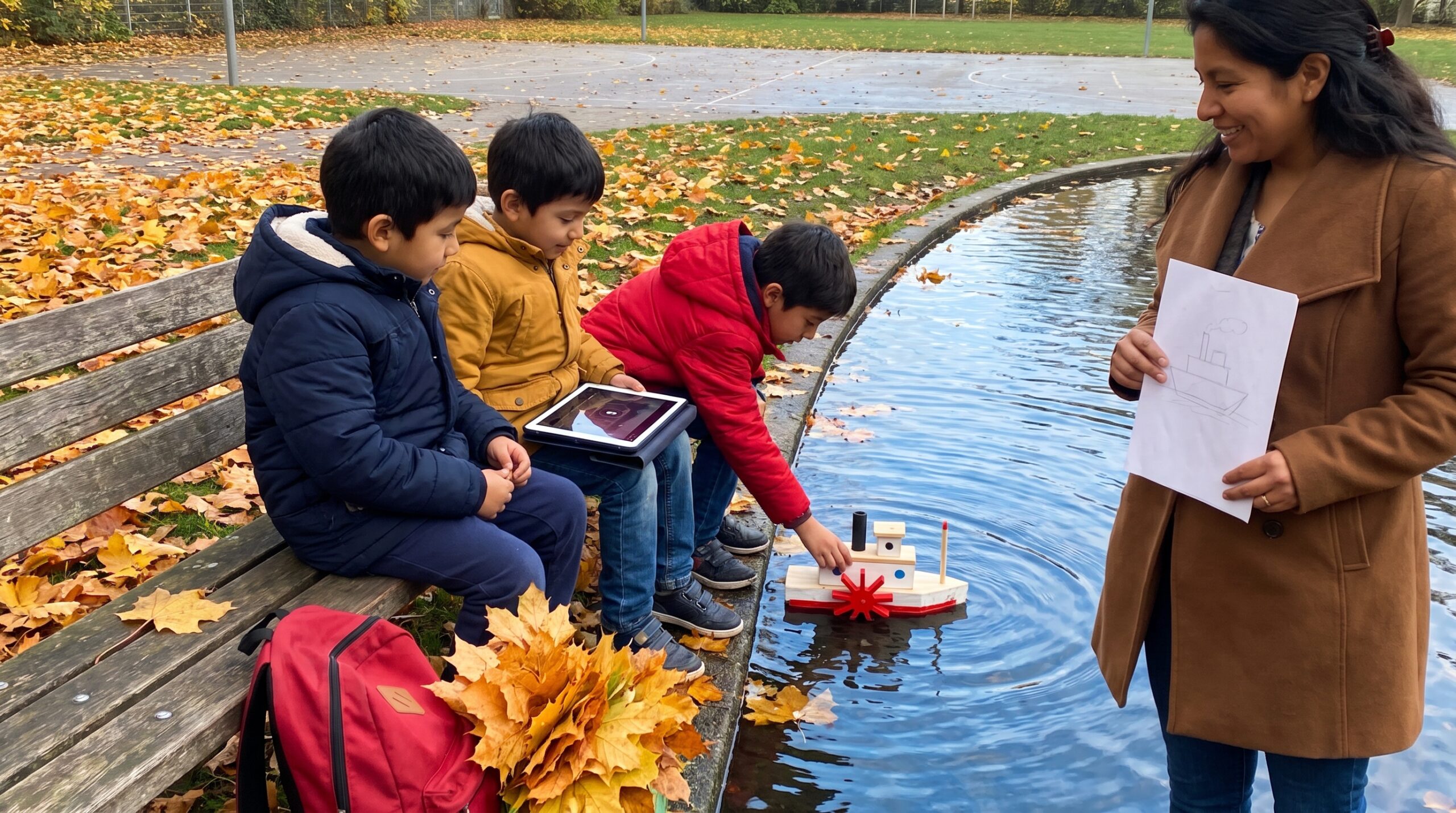
Robert Fulton biography for kids: Early life and art
Robert Fulton biography for kids begins in a small Pennsylvania town. He was born on November 14, 1765, in Little Britain, Pennsylvania, and died on February 24, 1815. Even as a child he loved to draw and to tinker. Later he trained as a painter and worked as a commercial artist in the United States.
From artist to inventor
Then Fulton moved to London and later to France. There art met engineering and sparked new ideas. He drew mechanical plans that read like invention sketches. For example, in the late 1790s he built a hand powered submarine called the Nautilus. The Nautilus impressed French officials and showed Fulton could turn drawings into devices.
The Clermont and the Hudson voyage
Fulton teamed with Robert R. Livingston for a bold river project. Together they built the Clermont, also called the North River Steamboat. In August 1807 the Clermont steamed from New York City to Albany. The 150 mile trip took roughly 32 hours. In fact, the Clermont completed a 300-mile round trip on the Hudson River from New York City to Albany and back in just 62 hours, showcasing Fulton’s significant achievement in steamboat technology. This voyage proved steam could move boats upstream and carry people and goods reliably.
Why the Clermont mattered
Because of Fulton, rivers became busy highways. Towns and trade grew along the Hudson, the Mississippi, and other rivers. Fulton did not build the very first steam boat. However, he did create the first widely successful commercial steamboat service. The Clermont’s steam engine had 24 horsepower, its paddle wheels were 15 feet in diameter, and the boat measured 136 feet in length, 18 feet in width, with a displacement of about 160 tons. That success spread steamboats across the young nation. By 1810, three of Fulton’s steamboats were operating on the Hudson and Raritan Rivers, demonstrating their influence on commerce and transportation.
How a steamboat works, simply
Here is a short, clear view of how early steamboats worked. It is a noisy, clever dance of steam and metal.
- A boiler heats water until it makes steam.
- Steam pushes pistons that turn a crank or a paddle wheel.
- The turning paddle wheel pushes water backward and moves the boat forward.
Later life and legacy
Fulton kept designing ships and advising governments on naval projects. His first U.S. patent was granted on February 11, 1809; a supplementary patent was granted on February 9, 1811, emphasizing his innovative contributions and legal recognition of his inventions through patents. He died in New York City on February 24, 1815. Today many places and memorials honor his name. His life reminds us that curiosity, drawing, and persistence can steer the future. What a neat legacy!
Try this at home
Visit a local maritime museum or watch a short clip about the Clermont. Also try a simple, supervised demo that shows how air or steam can push an object. Always have an adult nearby.
Read or listen to a story about Robert Fulton now: Read or listen to a story about Robert Fulton now: For 3-5 year olds, For 6-8 year olds, For 8-10 year olds, and For 10-12 year olds.
Want more family-friendly stories? Visit Storypie for short tales that spark curiosity and smiling conversations after school.