English

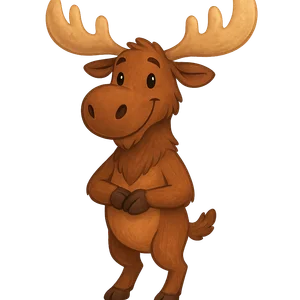
Moose
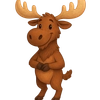
The moose (Alces alces) is the largest member of the deer family, known for its towering antlers, long legs…
Reads at Grades 6–8 Listens at Grades 4–8
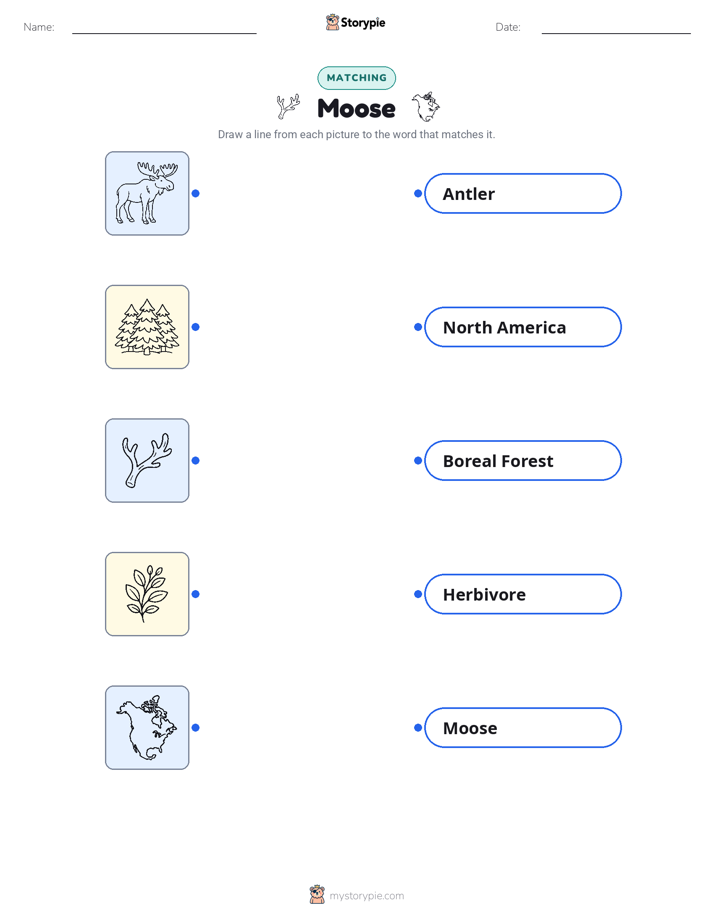
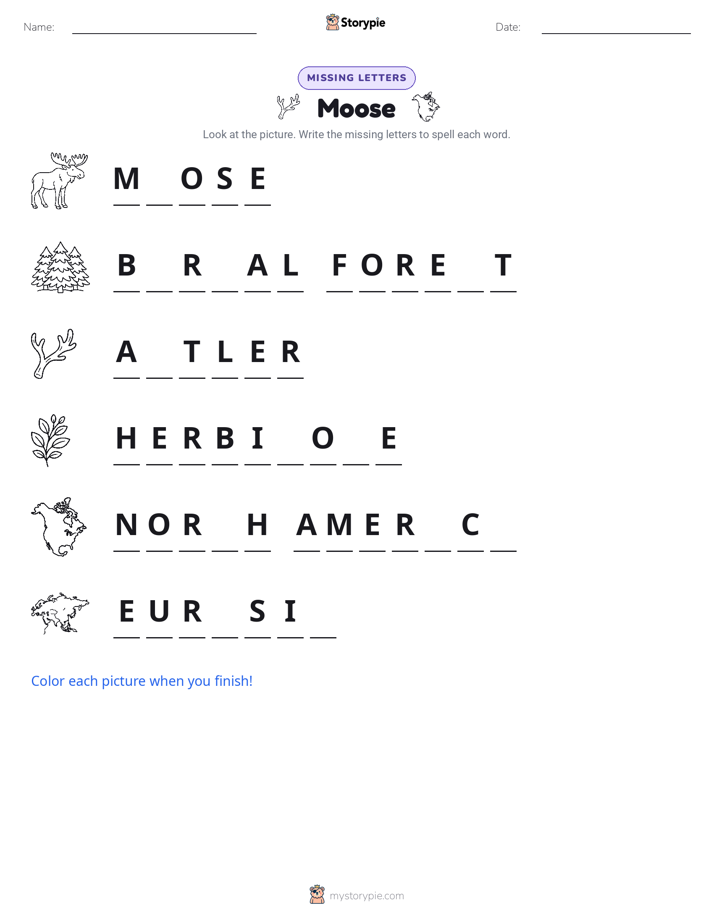
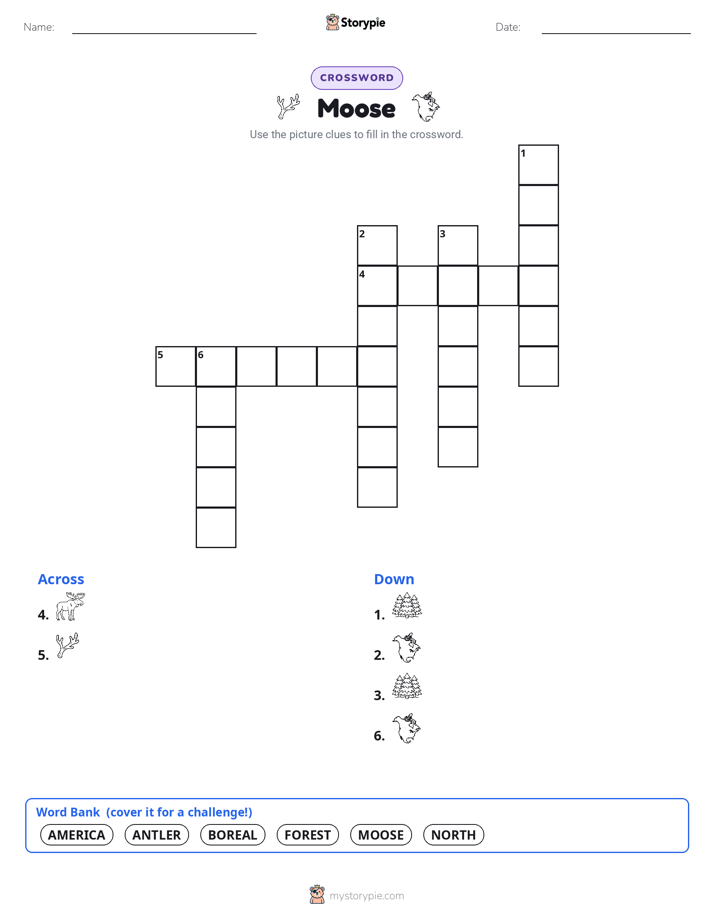
Print & create
Answer keys·No prep·Free with an account
28 worksheets · answer keys · full story · quiz · Ages 10-12 · CEFR B2
Plus adds 244,000+ more stories in 27 languages, audio for every one, and printables for all of them.
Just want Moose?
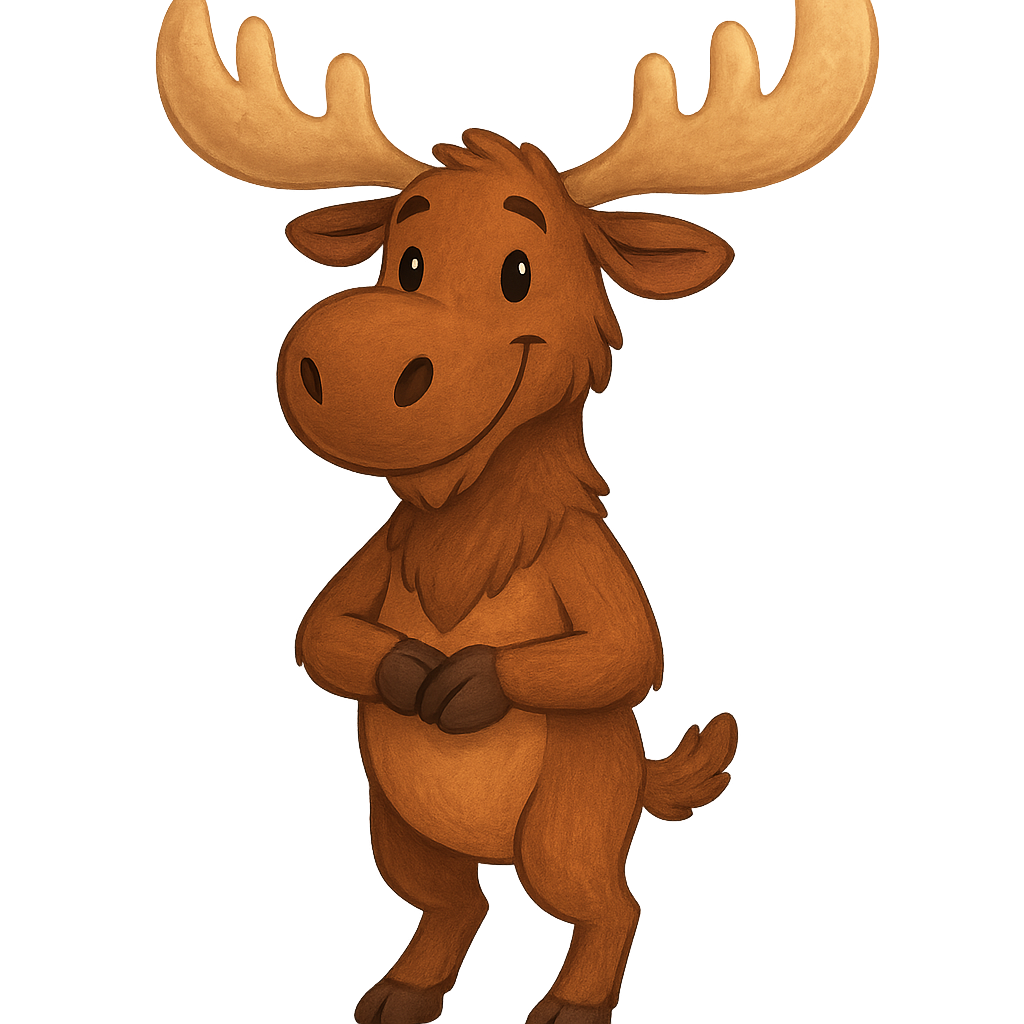
Hello. I am a moose, and my story begins in the vast boreal forests of the north. As the largest member of the deer family, my life is one of quiet strength and deep connection to the woods. I was born in the late spring, a season of bursting life. My first coat of fur was a soft, reddish-brown, and when I tried to stand, my long legs felt like wobbly stilts. Everything was new and enormous. But my mother was always there. I stayed close by her side, learning to nurse and depending on her fierce protection. She was my first teacher, and the dense, green forest was my first home. The air was filled with the scent of pine and damp earth, and those early days were spent learning the rhythms of the forest under her watchful eye.
My first year was a time of incredible change. I quickly learned to eat plants, my true source of strength, and soon lost my reddish baby fur for the dark, rich brown coat of an adult. As a young bull, the most amazing transformation began on my head. My first antlers started to grow. They are not horns, but true bone, and they grow faster than any other kind of bone in the animal kingdom. At first, they were small nubs, covered in a soft, fuzzy skin called velvet, which supplied them with blood and nutrients. My kind has roamed these forests for millions of years, but it wasn't until around 1758 that a human scientist named Carl Linnaeus gave us the official name *Alces alces*. That name is a record in a book, but my real story is written in the ancient paths my ancestors and I have walked through these woods.
A Giant of the Northern Woods
Hello. I am a moose, and my story begins in the vast boreal forests of the north. As the largest member of the deer family, my life is one of quiet strength and deep connection to the woods. I was born in the late spring, a season of bursting life. My first coat of fur was a soft, reddish-brown, and when I tried to stand, my long legs felt like wobbly stilts. Everything was new and enormous. But my mother was always there. I stayed close by her side, learning to nurse and depending on her fierce protection. She was my first teacher, and the dense, green forest was my first home. The air was filled with the scent of pine and damp earth, and those early days were spent learning the rhythms of the forest under her watchful eye.
My first year was a time of incredible change. I quickly learned to eat plants, my true source of strength, and soon lost my reddish baby fur for the dark, rich brown coat of an adult. As a young bull, the most amazing transformation began on my head. My first antlers started to grow. They are not horns, but true bone, and they grow faster than any other kind of bone in the animal kingdom. At first, they were small nubs, covered in a soft, fuzzy skin called velvet, which supplied them with blood and nutrients. My kind has roamed these forests for millions of years, but it wasn't until around 1758 that a human scientist named Carl Linnaeus gave us the official name Alces alces. That name is a record in a book, but my real story is written in the ancient paths my ancestors and I have walked through these woods.
As I grew, I reached my full size, a true giant of the forest. I stood taller than a grown man at the shoulder, a presence of size and power. My body is perfectly designed for this environment. My long legs are not just for height; they allow me to wade through deep winter snow and navigate marshy wetlands with ease. My large, flexible nose is an incredible tool. It helps me sniff out the most delicious twigs and leaves, and I can even close my nostrils to pull up tasty aquatic plants from the bottom of lakes and ponds. You may have noticed the flap of skin that hangs beneath my chin; it's called a dewlap, or a bell. My greatest role, however, is being a gardener of the forest. By eating young trees and shrubs, I trim the forest, which allows sunlight to reach the floor and helps new kinds of plants to grow. In this way, I help shape the very structure of the forest for countless other animals.
Life in the wild requires constant awareness. Predators like wolf packs and bears have always been part of my world, and I must always be watchful. However, in the last century, new and unfamiliar challenges have emerged. My forest home has begun to shrink as humans build more roads and towns, cutting through the wild spaces I need to roam. Crossing these roads is a great danger. The world is also getting warmer. I am built for the cold, and rising temperatures make life more difficult for me. This warmer weather also brings more pests, like ticks, which can make me sick and weak. Navigating this changing world requires all the strength and instinct I possess.
My place in the great woods is more than just one animal's life; I am a symbol of the wild north. My presence is a sign that the forest is healthy and thriving. By shaping the landscape, I help create a balanced home for many other creatures, from birds to beavers to insects. The story of my kind is woven directly into the health of the boreal forests. When we are doing well, it means the entire ecosystem is strong. Most of us live to be about 15 to 20 years old. In that time, we don't just live in the forest; we help create it, playing our part in the great, interconnected life of the woods.
Wow facts
About
The moose (Alces alces) is the largest member of the deer family, known for its towering antlers, long legs, and distinctive overhanging snout. It inhabits boreal and mixed forests in the Northern Hemisphere.
Take a Quiz
Question 1 of 5
In your own words, describe the key stages of the moose's first year of life as told in the story.
Explore next
Want to do even more?
Go beyond exploring. Unlock tools that turn every story into real learning.

Storypie Plus for families
Full stories, quizzes, and printables. Nights and car rides, sorted.
- Unlimited audio stories
- Create Mode: your child stars in the story
- Offline downloads
- Printable worksheets & coloring pages

Why Storypie for Schools
Students engaged. Prep in seconds. Evenings back to you.
- Worksheets & Quizzes
- Classroom Management
- Formative Assessment
- Custom Curriculum & Lesson Plans
- 27 Languages

Why Storypie for Homeschool
Curriculum done. They'll ask for more. Hours back in your day.
- Worksheet Generator
- First-Person Audio Stories
- Built-in Comprehension Quizzes
- Custom Curriculum & Lesson Plans
- Print & Go Activities