English

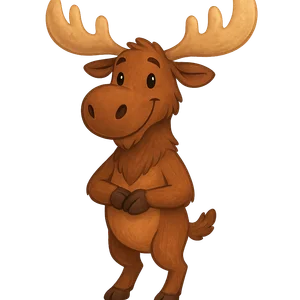
Moose
The moose (Alces alces) is the largest member of the deer family, known for its towering antlers, long legs…
Reads at Grades 3–5 Listens at Grades 1–5
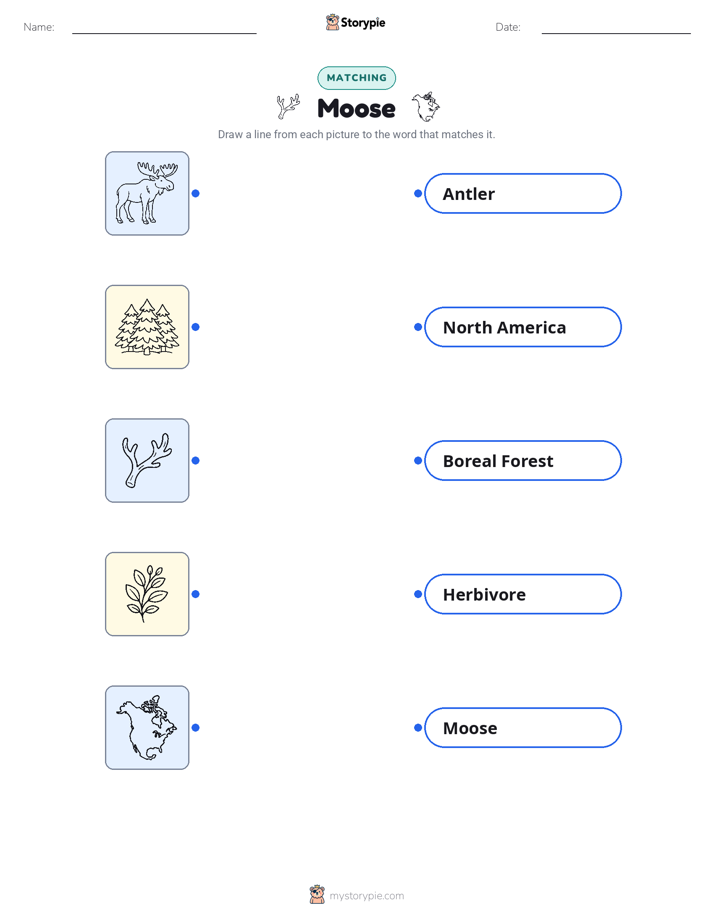
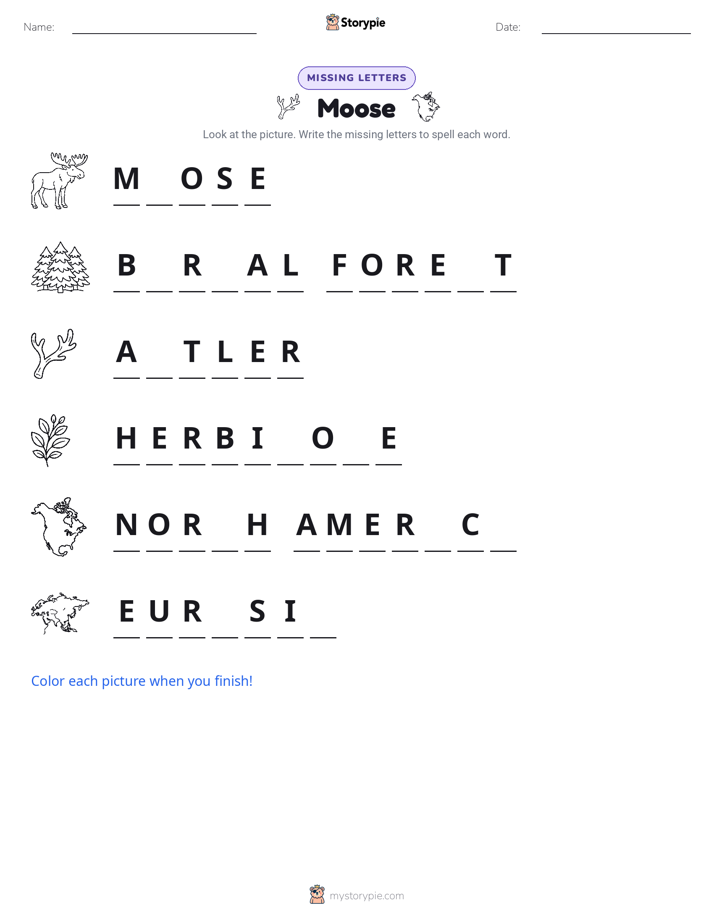
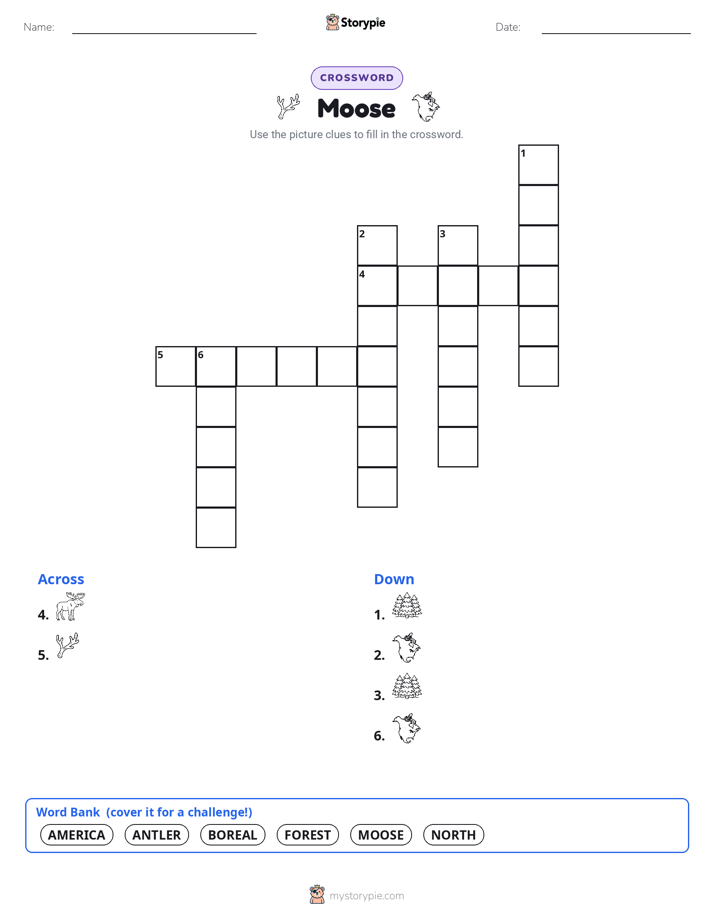
Print & create
Answer keys·No prep·Free with an account
28 worksheets · answer keys · full story · quiz · Ages 8-10 · CEFR B1
Plus adds 244,000+ more stories in 27 languages, audio for every one, and printables for all of them.
Just want Moose?
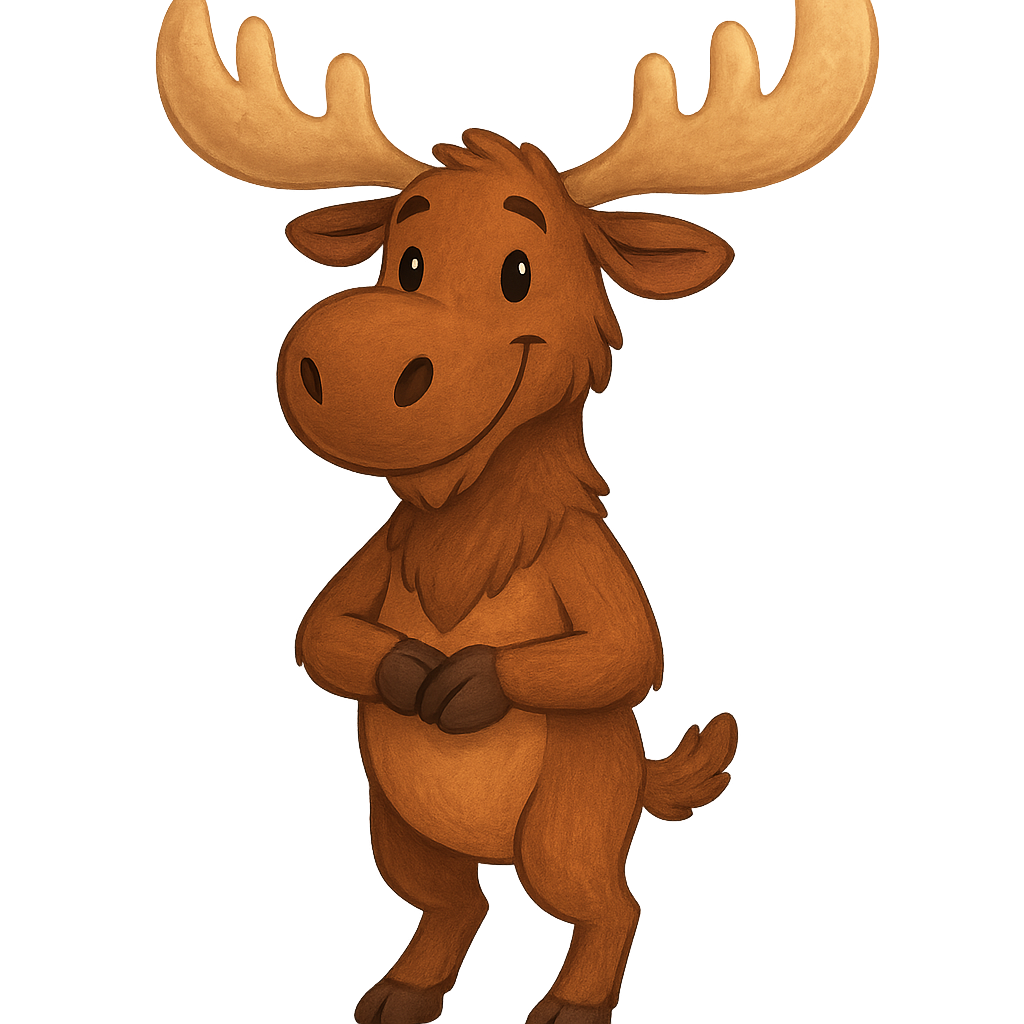
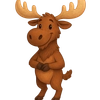
Hello there. I am a moose, and I am the largest member of the entire deer family. My name comes from an old Algonquian word, 'mooswa,' which means 'twig eater,' and it's a perfect name for me. I am huge, with long, strong legs that are perfect for wading through deep snow in the winter. My most noticeable feature might be my big, floppy nose. It's not just for looks; it’s fantastic for sniffing out the tastiest plants hidden in the forest. It even works like a built-in snorkel when I go for a swim to find delicious greens at the bottom of a lake.
As a bull moose, my most impressive feature is my magnificent antlers. They aren't just branches growing from my head; they are made of solid bone and are the fastest-growing animal tissue on the entire planet. They can spread out to be six feet wide, which is wider than most grown-up humans are tall. Every year, after the mating season ends in the winter, I shed my heavy antlers. It feels good to let them go. But don't worry, a brand new, even bigger set starts growing back in the spring, ready for the year ahead.
My life follows the rhythm of the seasons. I was born in the spring as a little calf, and I spent my whole first year staying very close to my mother. She taught me everything I needed to know to survive. During the warm summers, my favorite thing to do was go swimming in cool lakes and ponds. I would dip my whole head underwater to munch on delicious aquatic plants. When the cold winters arrived in the boreal forest, survival became my main job. To stay strong and healthy, I had to eat thousands of twigs and buds every single day. It’s a lot of work, but it keeps me warm and energized through the snow.
The Forest Gardener
Hello there. I am a moose, and I am the largest member of the entire deer family. My name comes from an old Algonquian word, 'mooswa,' which means 'twig eater,' and it's a perfect name for me. I am huge, with long, strong legs that are perfect for wading through deep snow in the winter. My most noticeable feature might be my big, floppy nose. It's not just for looks; it’s fantastic for sniffing out the tastiest plants hidden in the forest. It even works like a built-in snorkel when I go for a swim to find delicious greens at the bottom of a lake.
As a bull moose, my most impressive feature is my magnificent antlers. They aren't just branches growing from my head; they are made of solid bone and are the fastest-growing animal tissue on the entire planet. They can spread out to be six feet wide, which is wider than most grown-up humans are tall. Every year, after the mating season ends in the winter, I shed my heavy antlers. It feels good to let them go. But don't worry, a brand new, even bigger set starts growing back in the spring, ready for the year ahead.
My life follows the rhythm of the seasons. I was born in the spring as a little calf, and I spent my whole first year staying very close to my mother. She taught me everything I needed to know to survive. During the warm summers, my favorite thing to do was go swimming in cool lakes and ponds. I would dip my whole head underwater to munch on delicious aquatic plants. When the cold winters arrived in the boreal forest, survival became my main job. To stay strong and healthy, I had to eat thousands of twigs and buds every single day. It’s a lot of work, but it keeps me warm and energized through the snow.
My family has a long history in these forests, but we have faced difficult times. Back in the early 1900s, our populations in North America became very small. This happened because of too much hunting and because many of our forest homes were being cut down. Thankfully, people realized we were in trouble and started to help. They created protected areas where we could live safely and made laws to manage hunting. There have been some wonderful success stories. For example, starting in 1978, people brought some of my ancestors back to the mountains of Colorado, a place we hadn't lived in for a long time. Now, we are thriving there once again.
I want you to know that I have a very important job here in the woods. By munching on so many twigs and young trees, I act like a forest gardener. I help shape the landscape by trimming the plants, which allows different kinds of flowers and shrubs to get sunlight and grow. This creates new homes and food sources for smaller animals, like rabbits and birds. My story is a reminder that every creature, big or small, plays a special part in keeping our world healthy and wonderful.
Wow facts
About
The moose (Alces alces) is the largest member of the deer family, known for its towering antlers, long legs, and distinctive overhanging snout. It inhabits boreal and mixed forests in the Northern Hemisphere.
Take a Quiz
Question 1 of 5
Why is the name 'mooswa,' which means 'twig eater,' a good name for a moose?
Explore next



Want to do even more?
Go beyond exploring. Unlock tools that turn every story into real learning.

Storypie Plus for families
Full stories, quizzes, and printables. Nights and car rides, sorted.
- Unlimited audio stories
- Create Mode: your child stars in the story
- Offline downloads
- Printable worksheets & coloring pages

Why Storypie for Schools
Students engaged. Prep in seconds. Evenings back to you.
- Worksheets & Quizzes
- Classroom Management
- Formative Assessment
- Custom Curriculum & Lesson Plans
- 27 Languages

Why Storypie for Homeschool
Curriculum done. They'll ask for more. Hours back in your day.
- Worksheet Generator
- First-Person Audio Stories
- Built-in Comprehension Quizzes
- Custom Curriculum & Lesson Plans
- Print & Go Activities