English

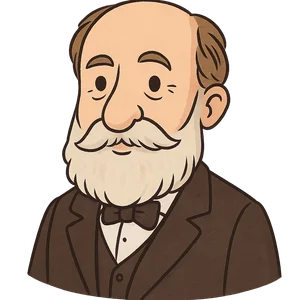
Camille Saint-Saëns
Camille Saint-Saëns was a French composer, organist, conductor, and pianist of the Romantic era.
Reads at Grades K-2 Listens at K–3
Print & create
Answer keys·No prep·Free with an account
28 worksheets · answer keys · full story · quiz · Ages 6-8 · CEFR A2
Plus adds 279,000+ more stories in 27 languages, audio for every one, and printables for all of them.
Just want Camille Saint-Saëns?
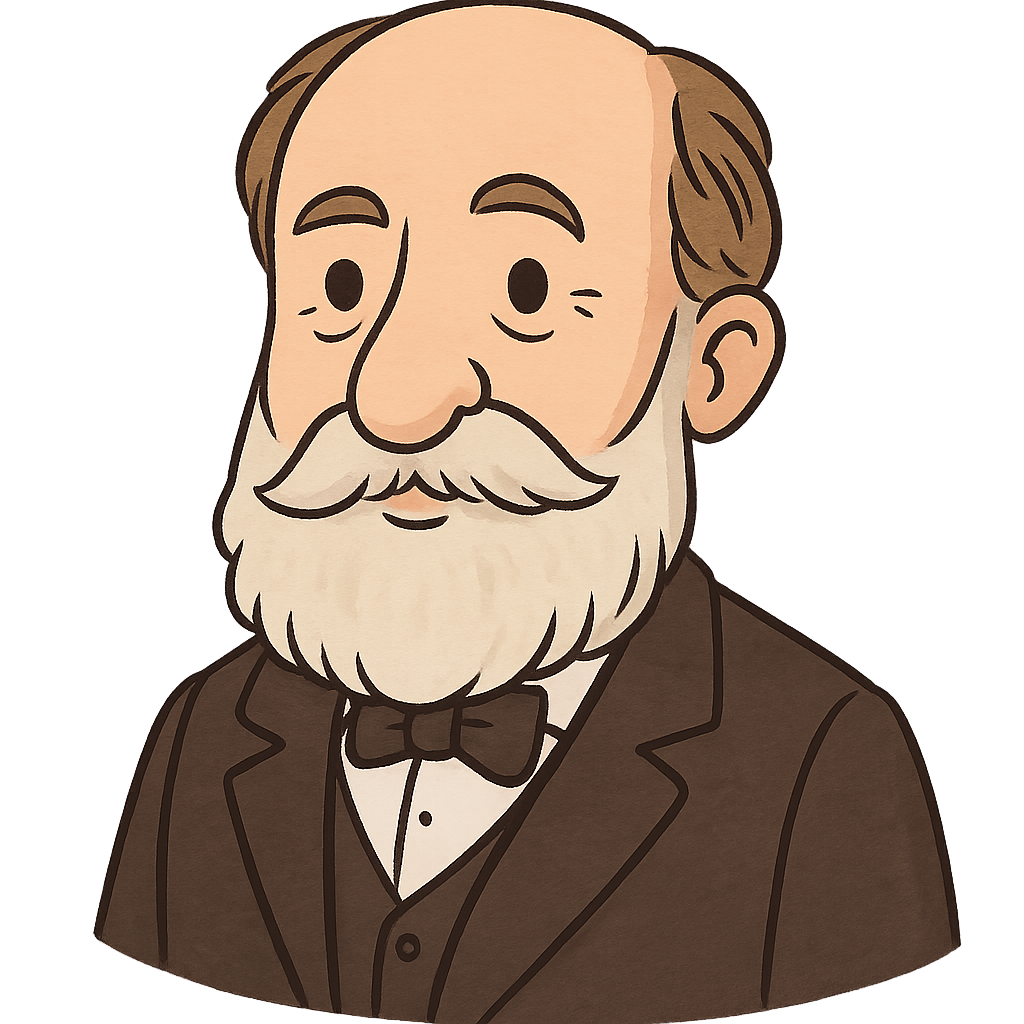
Bonjour! My name is Camille Saint-Saëns, and I am a composer from the beautiful city of Paris, France. I was born on October 9th, 1835. Even when I was very little, music was my best friend. Before I was even three years old, I could read and write, and soon after, I started creating my own little songs on the piano. I loved the sound of the piano keys and how I could make them sing. When I was ten years old, in 1846, I played my very first big concert for a huge audience.
Of all the music I ever wrote, my favorite piece was a silly one I created just for fun. In 1886, I wrote a musical suite called *The Carnival of the Animals*. It was my special secret, a musical parade of creatures big and small! I used different instruments to make the sounds of the animals. Can you imagine the royal roar of a lion played by pianos and strings? Or the graceful glide of a swan played by a lovely cello? I even wrote music for hopping kangaroos and a slow, steady tortoise. I thought it was too playful for a serious composer, so I told everyone they could only publish it after I was gone. It was my little joke for the world to find later.
Besides my animal parade, I wrote many other kinds of music. I wrote grand symphonies that filled concert halls with powerful sounds. One of my most famous is my 'Organ Symphony,' which I also finished in 1886. It has a giant organ that makes the whole room shake! I also loved to travel. Seeing new places like Egypt and Algeria gave me wonderful ideas for new melodies. I would hear the music of different countries and weave it into my own compositions.
The Story of Camille Saint-Saëns
Bonjour! My name is Camille Saint-Saëns, and I am a composer from the beautiful city of Paris, France. I was born on October 9th, 1835. Even when I was very little, music was my best friend. Before I was even three years old, I could read and write, and soon after, I started creating my own little songs on the piano. I loved the sound of the piano keys and how I could make them sing. When I was ten years old, in 1846, I played my very first big concert for a huge audience.
Of all the music I ever wrote, my favorite piece was a silly one I created just for fun. In 1886, I wrote a musical suite called The Carnival of the Animals. It was my special secret, a musical parade of creatures big and small! I used different instruments to make the sounds of the animals. Can you imagine the royal roar of a lion played by pianos and strings? Or the graceful glide of a swan played by a lovely cello? I even wrote music for hopping kangaroos and a slow, steady tortoise. I thought it was too playful for a serious composer, so I told everyone they could only publish it after I was gone. It was my little joke for the world to find later.
Besides my animal parade, I wrote many other kinds of music. I wrote grand symphonies that filled concert halls with powerful sounds. One of my most famous is my 'Organ Symphony,' which I also finished in 1886. It has a giant organ that makes the whole room shake! I also loved to travel. Seeing new places like Egypt and Algeria gave me wonderful ideas for new melodies. I would hear the music of different countries and weave it into my own compositions.
I lived a long and musical life for 86 years. My journey ended in 1921, but my music plays on. I am so happy that children and grown-ups all over the world still listen to my compositions. It brings me the greatest joy to know that my fun-filled Carnival of the Animals still makes people smile, laugh, and dance to the music of the animal kingdom.
Wow facts
About
Camille Saint-Saëns was a French composer, organist, conductor, and pianist of the Romantic era. A remarkable child prodigy, he is best known for works including 'The Carnival of the Animals,' 'Danse Macabre,' 'Samson and Delilah,' and 'Symphony No. 3,' the 'Organ Symphony'.
Take a Quiz
Question 1 of 4
Why did Camille Saint-Saëns keep 'The Carnival of the Animals' a secret?
Explore next






Want to do even more?
Go beyond exploring. Unlock tools that turn every story into real learning.

Storypie Plus for families
Full stories, quizzes, and printables. Nights and car rides, sorted.
- Unlimited audio stories
- Create Mode: your child stars in the story
- Offline downloads
- Printable worksheets & coloring pages

Why Storypie for Schools
Students engaged. Prep in seconds. Evenings back to you.
- Worksheets & Quizzes
- Classroom Management
- Formative Assessment
- Custom Curriculum & Lesson Plans
- 27 Languages

Why Storypie for Homeschool
Curriculum done. They'll ask for more. Hours back in your day.
- Worksheet Generator
- First-Person Audio Stories
- Built-in Comprehension Quizzes
- Custom Curriculum & Lesson Plans
- Print & Go Activities