
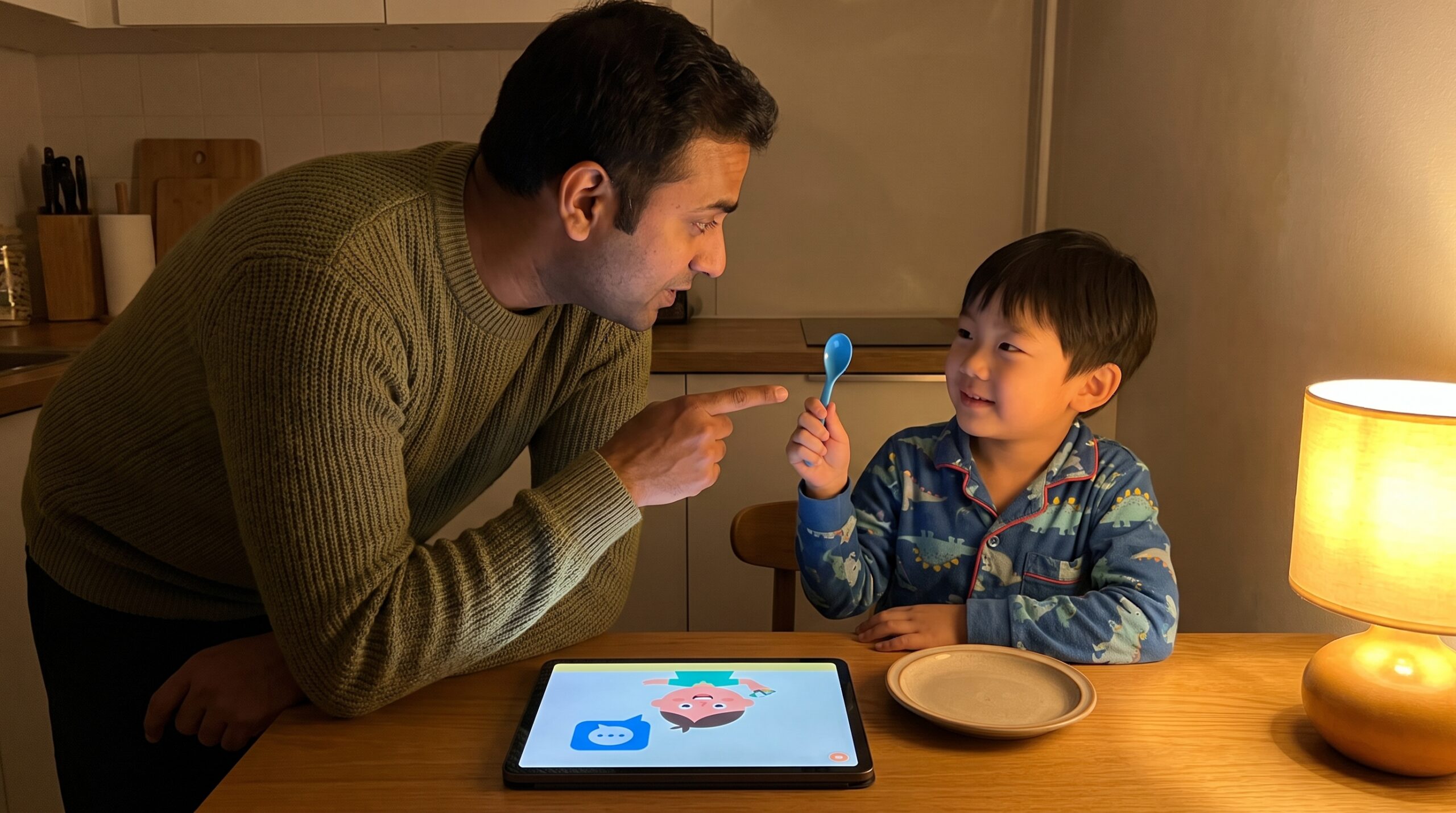
Asking for help for kids is a simple skill with big returns. In early childhood, a single word like “Help” can start a lifetime of better communication and trust. Also, asking is not a sign of weakness. Instead, it shows courage, curiosity, and a willingness to learn.
Why asking for help for kids matters
Children who ask for help learn faster and feel safer. For example, clear requests cut down on confusion. Also, they build better relationships with adults and peers. Research indicates that among U.S. college and university students, 44 percent reported receiving counseling or emotional support from friends for mental or emotional health concerns in the past year. This highlights the importance of peer support in mental health, reinforcing the value of asking for help. Therefore, teaching how to ask matters as much as the answer itself.
How parents can help
Model asking out loud so help-seeking feels ordinary and safe. Next, practice short scripts in low-stakes moments. Also, teach who to ask for different needs: a parent, a teacher, a friend, or a professional for serious concerns.
Use praise to reinforce the habit. For example, say, “I like how you asked for help,” instead of only praising results. Then invite your child to try suggestions and to say thank you. Small steps make asking feel brave and normal.
Age-friendly phrases to try
- Toddlers (gestures plus words): “Help, please” while pointing.
- Preschoolers: “Can you help me put this on?” or “Can you show me?”
- Elementary children: “Excuse me, I don’t understand problem three. Can you explain it?”
- Older children and teens: “I tried this strategy and it did not work. Can you give me a hint?”
Try tonight
Try one small, ordinary ask tonight. For example, say, “Can you hand me the blue cup?” Then invite your child to copy the phrase. This tiny practice makes asking feel ordinary, brave, and even a little playful.
Read or listen to a story about Asking For Help now: Read or listen to a story about Asking For Help now: For 3-5 year olds, For 6-8 year olds, For 8-10 year olds, and For 10-12 year olds.
Watch for emotional barriers
Some children avoid asking because of pride, fear, or fixed mindset thoughts. However, you can coach them. Offer scripts, role-play, and repeated praise. Also, help them sort problems they can solve alone from problems that need a hint or an adult. Safety always comes first.
Adapt to your family
Remember cultural differences and family values. Therefore, adapt phrases to fit your home. Yet keep requests clear and kind. For playful practice and audio prompts, visit Storypie for short stories and phrases that make rehearsal fun.
Final thought
A tiny habit with huge payoffs, asking for help grows confidence, learning, and connection. Start small, practice often, and celebrate each brave, clear request. It is delightfully simple and quietly powerful.