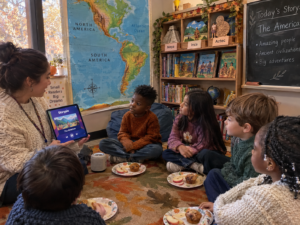
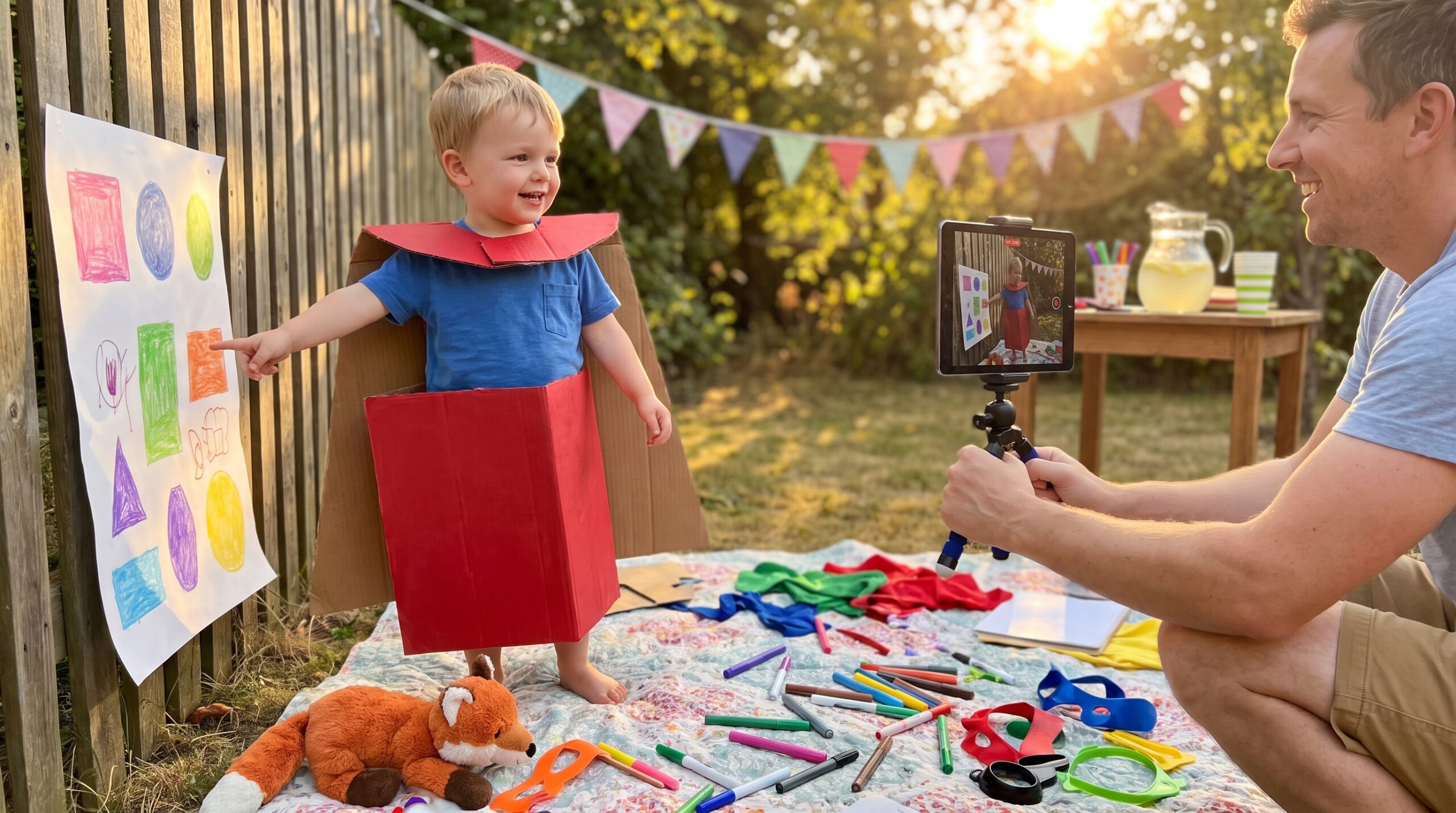
Create your own hero challenge turns a weekend into a tiny adventure. It asks children to name a hero, imagine a look, and pick three powers. This short, playful prompt fits a morning, an afternoon, or a cozy two-hour slot. In fact, a national poll conducted by C.S. Mott Children’s Hospital in August 2025 revealed that 68% of parents reported their young child (ages 1–5) engages in make-believe or pretend play on a typical day, highlighting the prevalence of imaginative play among young children.
What the create your own hero challenge is
This challenge is a simple prompt set for families and teachers. First, kids pick a name. Next, they choose three powers. Then, they sketch a costume. Finally, they add one small weakness and a kind rule to follow. The structure stays short to keep attention and spark real creativity. Research shows that creative play positively influences creativity development in children, with a 2025 meta-analysis of 78 studies indicating significant benefits based on age, culture, and play type.
Why the create your own hero challenge matters
Human cultures always make heroes. These characters help children explore values and identity. Also, play builds language, symbolic thinking, and social-emotional skills. Creating a hero boosts vocabulary and perspective taking. In short, tiny practices can deliver lasting benefits. Additionally, a 2025 study with 300 children aged 4–6 found that structured creative activities, like digital game-based interventions, showed significant improvements in creative expression, aligning perfectly with the goals of the hero creation prompt.
How to run it at home
Set a small table with paper, crayons, and a basket of props. Offer three quick prompts: name, three powers, and one goal. For toddlers, keep prompts to colors and one power. For preschoolers, invite a short origin idea. For school age kids, ask about values and limits. Adults should nudge with open questions. Above all, do not take over. Celebrate effort and delight in tiny triumphs.
Quick kit ideas
- Cape or scarf
- Mask or cardboard shield
- Crayons, stickers, and paper
Age notes and inclusion
Simple hero ideas can appear as early as two years. Preschoolers shine in pretend-play complexity. Older children can invent backstories and moral choices. Match prompts to the child. Also, encourage diverse and non-stereotyped heroes. Try different abilities, backgrounds, and looks. Representation matters. It helps every child see themselves as capable and brave.
Developmental benefits
Choice and autonomy increase motivation. Naming three superpowers feels small but powerful. Drawing and costume play improve fine motor skills and memory. Sharing a hero with family builds turn-taking. It also sparks conversation and confidence. Small scenes and two-minute plays keep it joyful and repeatable. Furthermore, according to a 2025 global study by Mattel, 87% of respondents agreed that play helps combat loneliness and isolation, with nearly 70% stating their most creative ideas come through play, reinforcing the value of imaginative challenges like creating a hero.
Digital sharing, privacy, and next steps
Sharing creations can bring big smiles. However, check app privacy and parental controls first. If you use an app, verify settings. For example, Storypie offers family-friendly sharing tools and privacy features. Visit Get the Storypie app to explore settings. Or browse public hero ideas on Storypie Discover. For simple sharing, try a private family album or a closed group.
Two quick prompts to try now: pick a playful name. Pick one power that helps other people. Play a two-minute scene. Finally, finish by celebrating. Say what you loved about the hero. Ask what they would do next. The goal is not perfection. It is to make a warm space that invites return.