Education through storytelling ages 3-12 helps children learn in a natural way. Stories shape memory, emotion, and sequence. In short, narrative makes facts stick. In fact, a 2023 study found that children who learned through storytelling retained 70% of the information, compared to just 10% retention when taught through traditional methods.
Why narrative matches a child’s mind
Children organize events as stories. For example, they remember a beginning, a middle, and an ending better than isolated facts. Cognitive research and neuroscience show that emotional moments strengthen memory. As a result, stories activate attention and deepen recall. A 2023 systematic review examined 67 studies of interactive book reading and found effects on narrative, grammar, world knowledge, socio-emotional and socio-cognitive (SEL) outcomes, highlighting the multifaceted benefits of storytelling.
Development across childhood
Development changes what children can follow. Ages 3 to 5 prefer simple plots and vivid characters. Ages 6 to 8 handle longer sequences and simple motives. Ages 9 to 12 follow multiple plotlines and complex emotions. Therefore, narrative fits each stage in different ways. A 2026 study in npj Science of Learning found that interactive storytelling (via scaffolding) increased both learning outcomes and neural synchrony between teacher and young learners compared to passive listening, emphasizing the importance of interactive storytelling in fostering better learning outcomes, particularly in traditional classroom settings. These benefits, however, diminished in remote learning environments.
Language, memory, and social thinking
Stories bring richer vocabulary than regular talk. Also, hearing tales helps children practice telling stories back. As a result, narrative skills predict later reading and writing success. In addition, following characters builds empathy and moral reasoning. Longitudinal studies link early shared storytelling to stronger school readiness. According to a 2026 scoping review published in the Journal of Pediatric Nursing, **75%** of studies measuring knowledge outcomes showed significant gains, and **89%** of studies measuring attitudes and behavior demonstrated short-term benefits from storytelling interventions, illustrating the broad effectiveness of storytelling in enhancing both knowledge and attitudes in educational settings.
Evidence at a glance
Development changes what children can follow. Ages 3 to 5 prefer simple plots and vivid characters. Ages 6 to 8 handle longer sequences and simple motives. Ages 9 to 12 follow multiple plotlines and complex emotions. Therefore, narrative fits each stage in different ways. A 2025 cluster-randomized control trials study involving 6–12-year-olds found that replacing 1 hour per day of standard language instruction with teacher read-aloud sessions over four months produced stronger increases on two intelligence measures (declarative knowledge and thinking skills). This demonstrates the cognitive benefits of storytelling as a teaching method, showing measurable improvements in intelligence.
Equity, language, and access
Culturally relevant stories matter for identity and engagement. Also, stories in a child’s home language support bilingual learners. Digital audio and illustrated content increase access for families and classrooms. In short, narrative can help close opportunity gaps when it reflects diverse lives.
Storypie: a storytelling profile
Storypie grew to support narrative learning for young people. Since its start, the platform focused on age-aware audio, profile-based content, and shared listening. As a result, Storypie makes it easier to match stories to age and stage.
Storypie features include curated audio narration, character-rich content, and profiles for different listeners. These characteristics aim to support education through storytelling ages 3-12 without replacing teachers or families. Visit Storypie to learn more about the platform and its mission.
A small moment that shows the power
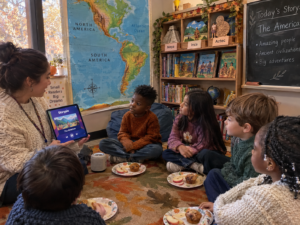
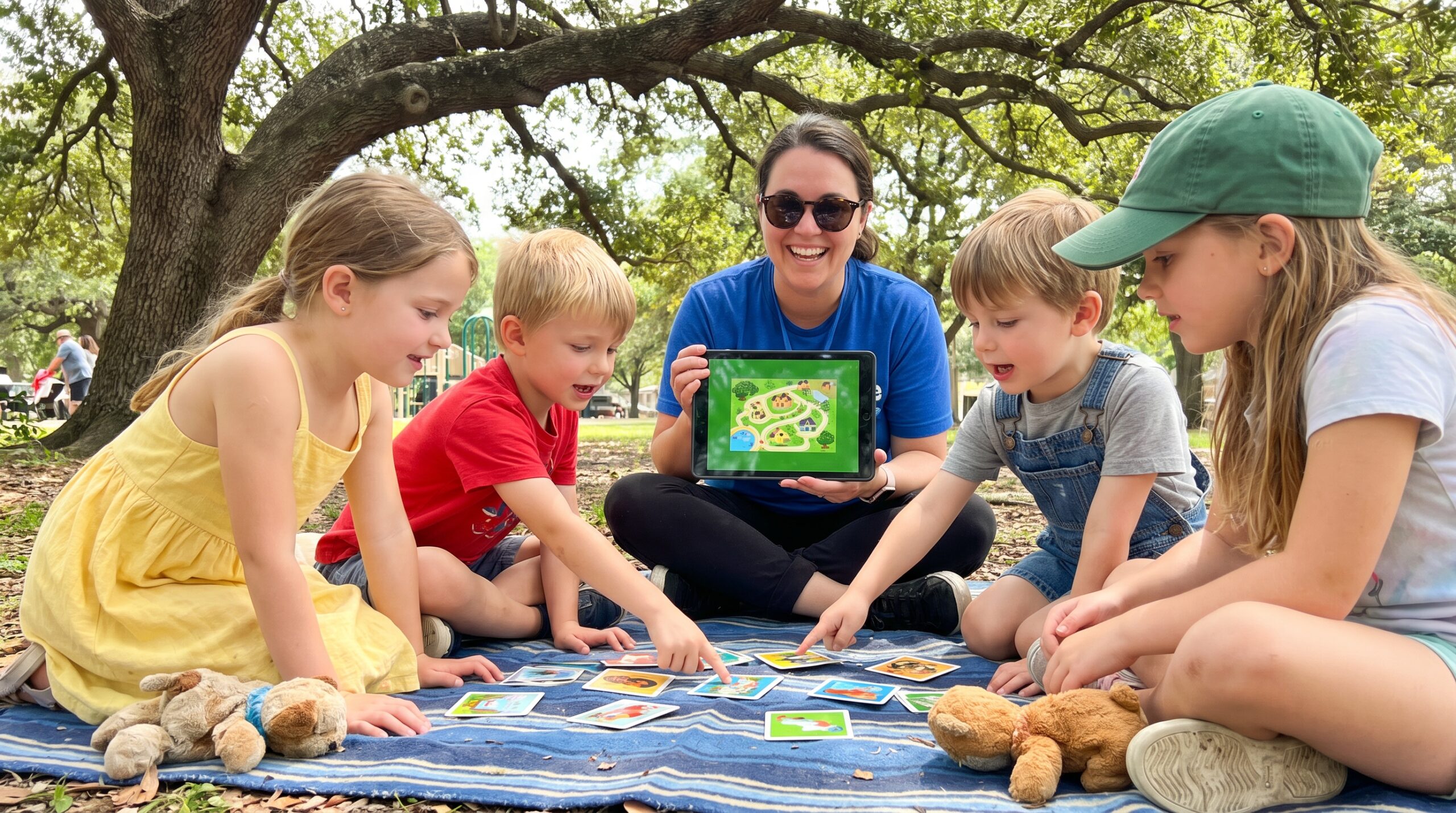
In a circle time, a child called a fox “super on a skateboard.” Suddenly the group recalled sequence, actions, and new words. That joyful moment shows how narrative can turn tiny events into lasting learning.
Final thought
Education through storytelling ages 3-12 gives children memory, language, and heart. Stories make facts feel alive and memorable. For families and educators who value narrative, Storypie offers a focused set of features and content that support this developmental path.
Learn more at Storypie.