
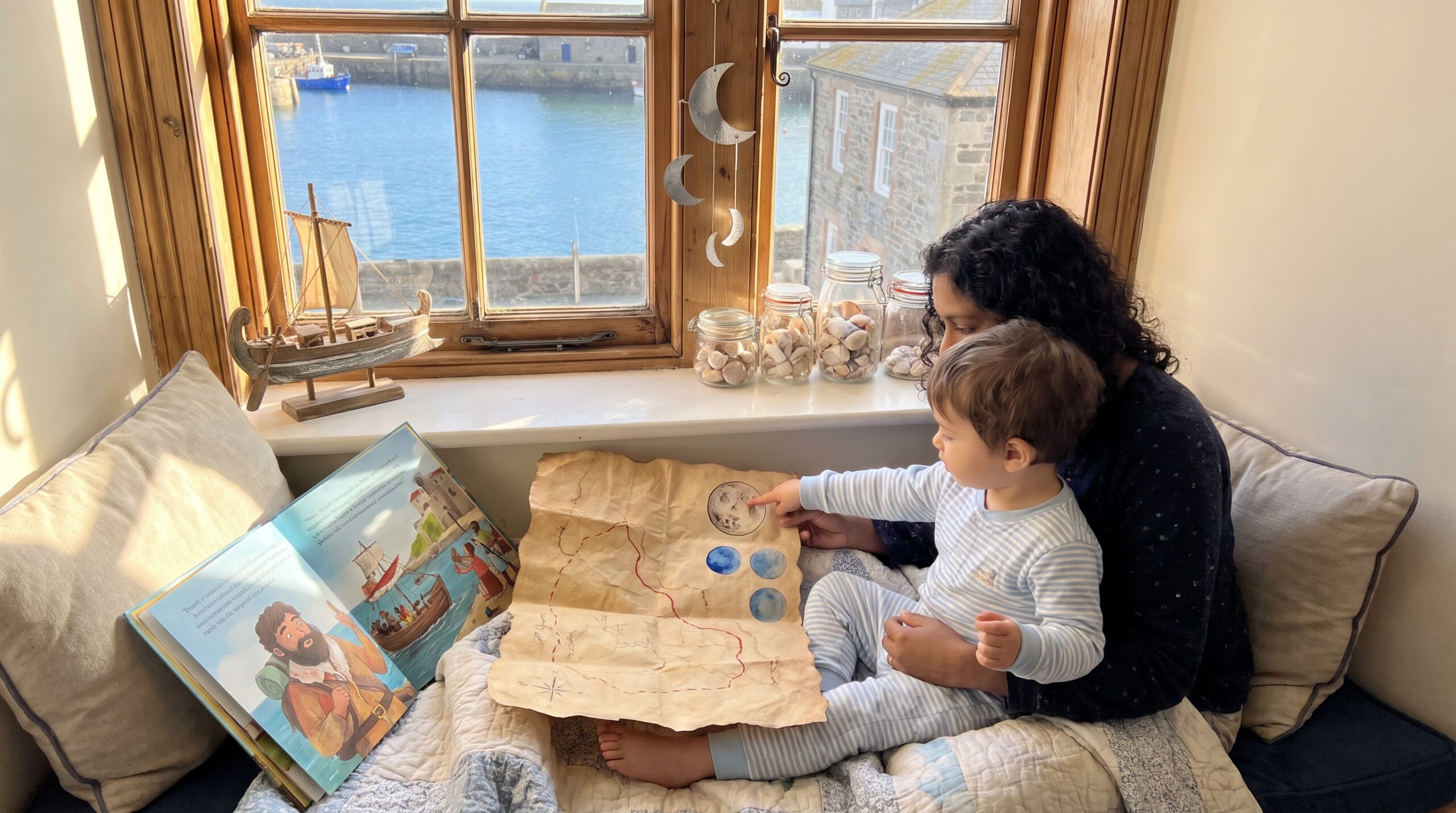
Pytheas of Massalia sailed from Massalia, the busy port now called Marseille. I lived about 330 to 300 BCE, with my exploratory voyage along the North Atlantic occurring in the 320s BCE. I carried food, curiosity, and a simple gnomon to watch the Sun. In short, I went looking for strange coasts and new skies.
Pytheas of Massalia: origins and tools
I left the Mediterranean by ship. Then I hugged the western coast of Europe. I rounded the British Isles and kept going north. Soon I reached lands the Greeks named Thule. My journey likely began at Massalia, passed through the Strait of Gibraltar, circumnavigated Britain, and possibly reached Norway as Thule, according to a 2014 study. I wrote a book called On the Ocean. Sadly, the book is lost. However, I am referenced by as many as 18 known ancient writers by name, which highlights my significance in ancient literature. Later authors like Strabo and Pliny quoted parts of it, and according to Lionel Scott’s 2022 work, two-thirds of all references to me come from their writings.
Observations and discoveries
I paid close attention to the Moon. I noticed sea levels changing with the lunar phases. I told Greeks that the Moon affects tides. That idea surprised many people then. Also, I measured shadows to estimate latitude. I used a gnomon and simple math. My notes mention long summer daylight. I saw what later writers called the midnight sun. I also saw sea ice and unusual sea conditions. Those sights stunned sailors from warm seas.
Tides, tools, and trade
I described trade goods that linked north and south. For example, I wrote about amber and tin. Those items show connections between regions. In addition, I recorded distances in stades and gave sailing times. However, matching my place names to modern maps is tricky. Still, the mystery delights historians and young explorers alike.
Where did I go?
People debate how far I sailed. Did I reach Iceland, Shetland, or northern Norway? My route times and place names leave room for guesses. Yet that mystery teaches careful reading and detective work. It also makes my voyage more magical.
Why this tale charms kids and families
My voyage mixes exploration with simple science. Kids can see how a stick and its shadow tell about the Sun. They can watch the Moon and guess the tide. Best of all, the story contains shiny amber and new places. That sparks wonder and questions.
Read or listen to a story about Pytheas of Massalia now: For 3-5 year olds, For 6-8 year olds, For 8-10 year olds, and For 10-12 year olds.
Quick map game for a snuggle
- Pick a map of Europe. Find Massalia. Point to Britain and say: “I am Pytheas. I sail here.”
- Ask: “Where might Thule be?” Let your child guess. Offer two choices to keep it tidy.
- Watch the Moon for a minute. Guess if the tide will be high or low. Celebrate the guess.
If you want a guided read, Storypie brings this voyage to life in story form. Try it during a morning snuggle to spark maps, questions, and tide talk.
Storypie offers kid-friendly audio and text versions.