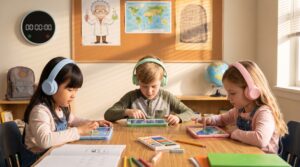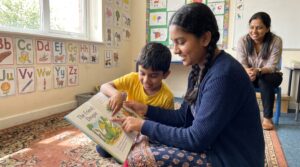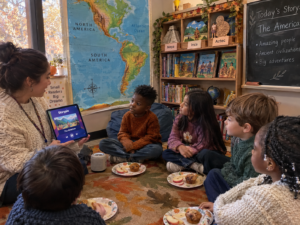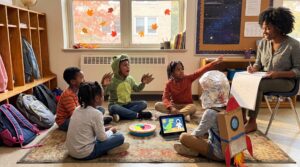
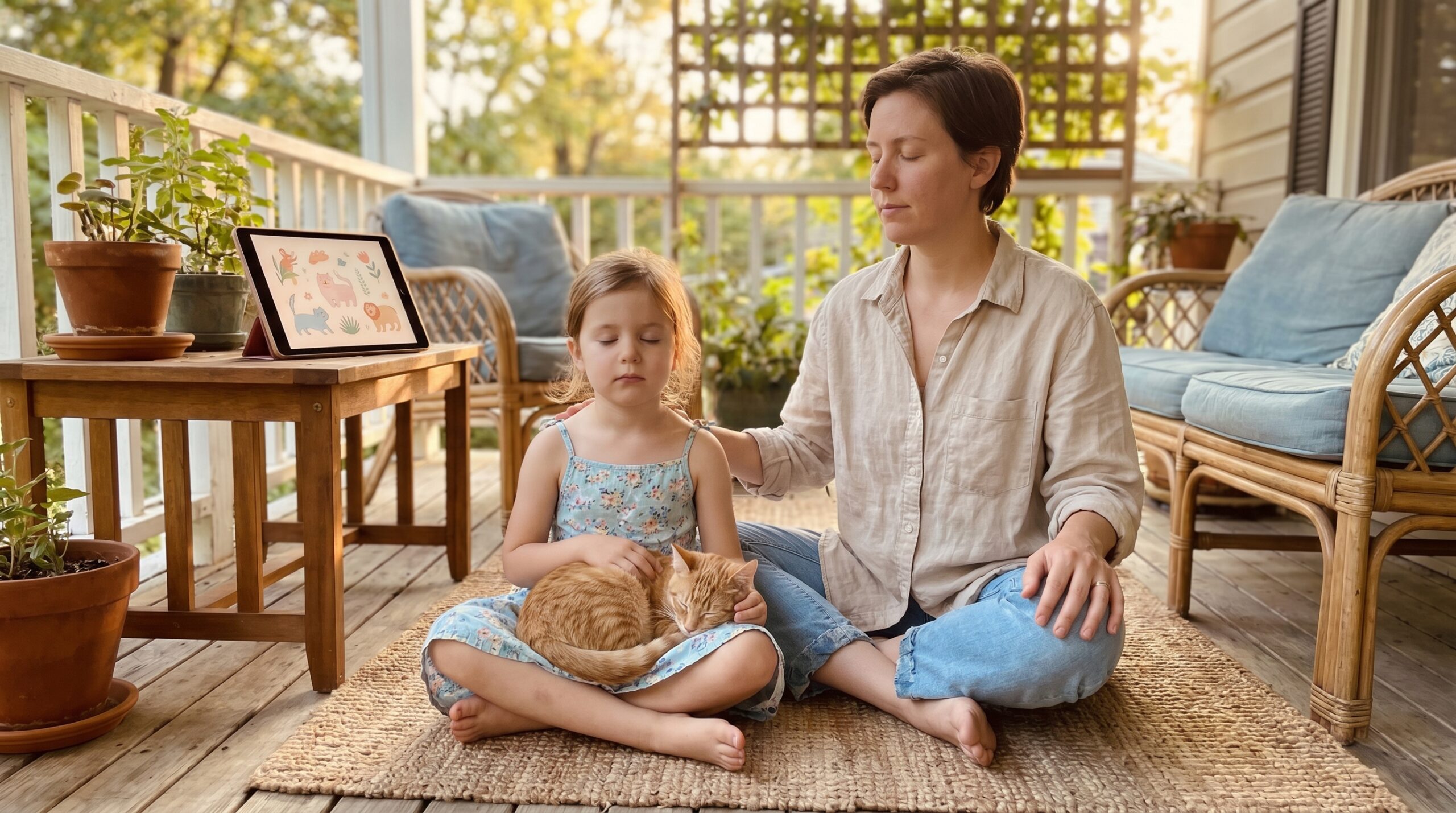
Calm for children is a felt experience and a set of body changes. For example, it means slower breathing, lower heart rate and softer muscles. Also, calm looks like steady attention and a gentle face. In short, calm helps kids learn, sleep and grow with ease.
Why calm for children matters
When children are calm, their bodies move out of the stress response. Slow breathing activates the parasympathetic system and lowers cortisol and heart rate. Consistent routines also support calm. For example, predictable bedtimes and simple rituals reduce behavior problems and improve sleep.
Caregivers matter a lot. Children copy adult breathing, tone and facial expression. Therefore caregivers who stay steady give the child a safe cue to relax. Calm is practical, not mystical, and wonderfully ordinary. It’s worth noting that tools like the Calm app have gained significant traction in promoting mental wellness, with approximately 200 million U.S. dollars in in-app revenues as of late 2025, making it the highest-grossing health-related app worldwide.
Quick practices for calm for children
Small, playful practices work best. Also, short and simple steps are easiest to repeat.
- Three-breath technique. Take three slow breaths together as a settling signal. For fun, pretend to be a sleepy kitty and purr on the out-breath.
- Sensory supports. Dim lights, soft textures, low-volume music or a cozy blanket help many children relax quickly.
- Short guided tracks. One to three minute breath or imagery tracks often lower anxiety and improve focus.
- Routines and cues. A brief song, a specific cuddle or a short story signals transitions. Then children move from noisy to calm moments more easily.
Age-adapted calm for children
Adjust steps by age. Also adjust language and length.
- Infants: Rhythmic rocking in a dim room, a soft voice and gentle repetition.
- Toddlers: Sensory toys, simple songs and short predictable routines that cut surprises.
- School-age: Three-breath exercises, brief guided stories and a calm corner for privacy.
- Teens: Device-free wind-down, journaling or short breathing that supports growing independence.
Tools, limits, and when to ask for help
Digital supports can help when they stay brief and child-centered. For instance, Storypie offers short calming tales made for quiet time. Use these as a structured wind-down activity instead of long screen time. Also choose materials with concrete language and short instructions. In fact, Calm generated 3.61 million app downloads across the App Store and Google Play in the first quarter of 2023, highlighting its relevance among users seeking mental wellness solutions.
If anxiety, frequent night wakings or behavior issues persist for weeks, consult a pediatrician or child mental health professional. Practical signs to watch for include fast breathing, tense muscles or trouble following a simple cue. Conversely, signs of calm include softer breathing, relaxed posture and smoother transitions.
Read or listen to a story about Calm now: For 3-5 year olds, For 6-8 year olds, For 8-10 year olds, and For 10-12 year olds.
Practical signs and everyday tips
Short cues and steady modeling create the most reliable path back to calm. Also, small moments of calm add up. Finally, caregivers who keep routines and warm cues help children find their quiet again. In fact, a recent survey found that 69% of employees reported their mental health has stayed the same or worsened in the past year, reaffirming the need for effective calming strategies.
For more short calming tales and family resources, visit Storypie. Try one gentle story today and feel the difference.