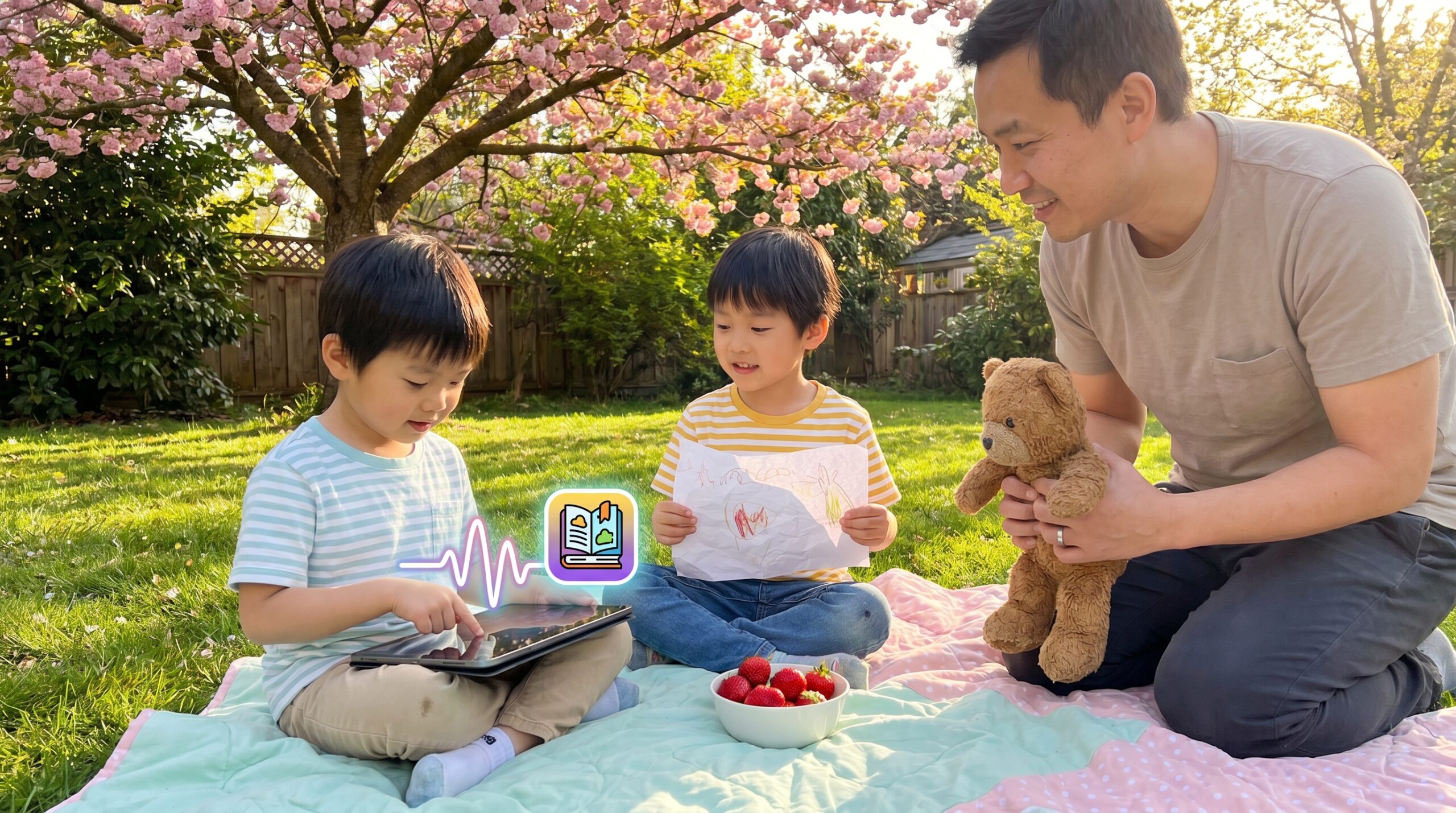
A sunny spring afternoon and a tiny hug can feel like gold. At the heart of these moments sits gratitude for kids. In short, gratitude helps children notice small joys and name their value. In fact, a 2023 Pew Research study found that 91% of U.S. adults reported feeling a strong sense of gratitude at least several times a year, which can serve as a wonderful model for children.
Why gratitude for kids matters
Gratitude changes how children feel and act. Emotionally, kids who practice gratitude show more joy and less worry. Socially, gratitude nudges sharing and cooperation. Physically, small gratitude habits can help sleep and lower stress, so everyone rests easier. Research demonstrates a substantial positive correlation between gratitude and life satisfaction, highlighting the importance of fostering gratitude in children to enhance their overall well-being according to a systematic review.
How gratitude grows with age
Children show gratitude differently as they grow. Therefore, tune your expectations to their stage.
- Toddlers (1 to 3): Gratitude looks like a smile or a hug. Model short phrases. Keep expectations tiny.
- Preschool (3 to 5): Kids can name likes and link actions to outcomes. Prompt simply, for example, “Who helped you today?”
- School age (6 to 12): Children can reflect. Short lists or rituals work well. Try a one-minute bedtime list.
- Adolescents: Offer choice and privacy. Let them write notes or pick rituals that feel authentic.
Simple, repeatable practices
Short, steady habits make gratitude stick. Below are small practices that families can try tonight.
- Bedtime one-minute pause: Ask, “Name one small thing you are grateful for.” Tiny wins count.
- Gratitude jar: Drop short notes into a jar. Read them weekly and celebrate.
- Gratitude walk: Name three things you notice and appreciate on a short walk.
- Thank-you note practice: Draw a picture or scribble a sentence to send.
Language that helps
Be specific and kind. Try, “I loved how you helped set the table. That made me happy.” If a day feels hard, say, “I notice today felt tough. Can you name one small calm thing you noticed?” These short prompts make noticing easier.
Pitfalls and gentle reminders
Do not force thank-yous or equate gratitude with owing. Forced gratitude teaches compliance, not true appreciation. Also, respect culture and family traditions and adapt your words. A 2025 study showed varying levels of gratitude across cultures, with Indonesia having the highest mean gratitude score, providing context for how children may experience gratitude differently.
Why tiny rituals work
Short rituals shift attention toward what matters. Neuroscience shows gratitude lights reward circuits, so kids want to connect more. Small rituals build habits that last. Moreover, a systematic review and meta-analysis published in 2023 indicated that gratitude interventions are associated with improved mental health and reduced symptoms of anxiety and depression, reinforcing the benefits of integrating gratitude practices into children’s lives according to recent research.
Five-item starter pack to try tonight
- Ask one tiny question at bedtime.
- Start a jar for little notes.
- Take a two-minute gratitude walk.
- Model your own grateful sentence aloud.
- Play a short Storypie-style tale and ask what small thing made them smile.
Read or listen to a story about Gratitude now: Read or listen to a story about Gratitude now: For 3-5 year olds, For 6-8 year olds, For 8-10 year olds, and For 10-12 year olds.
Try one tiny question tonight. Then watch a small habit grow into a big, kind heart. For gentle stories and short audio tales, visit Storypie or get the app here.