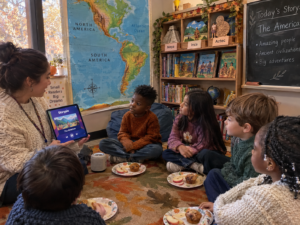
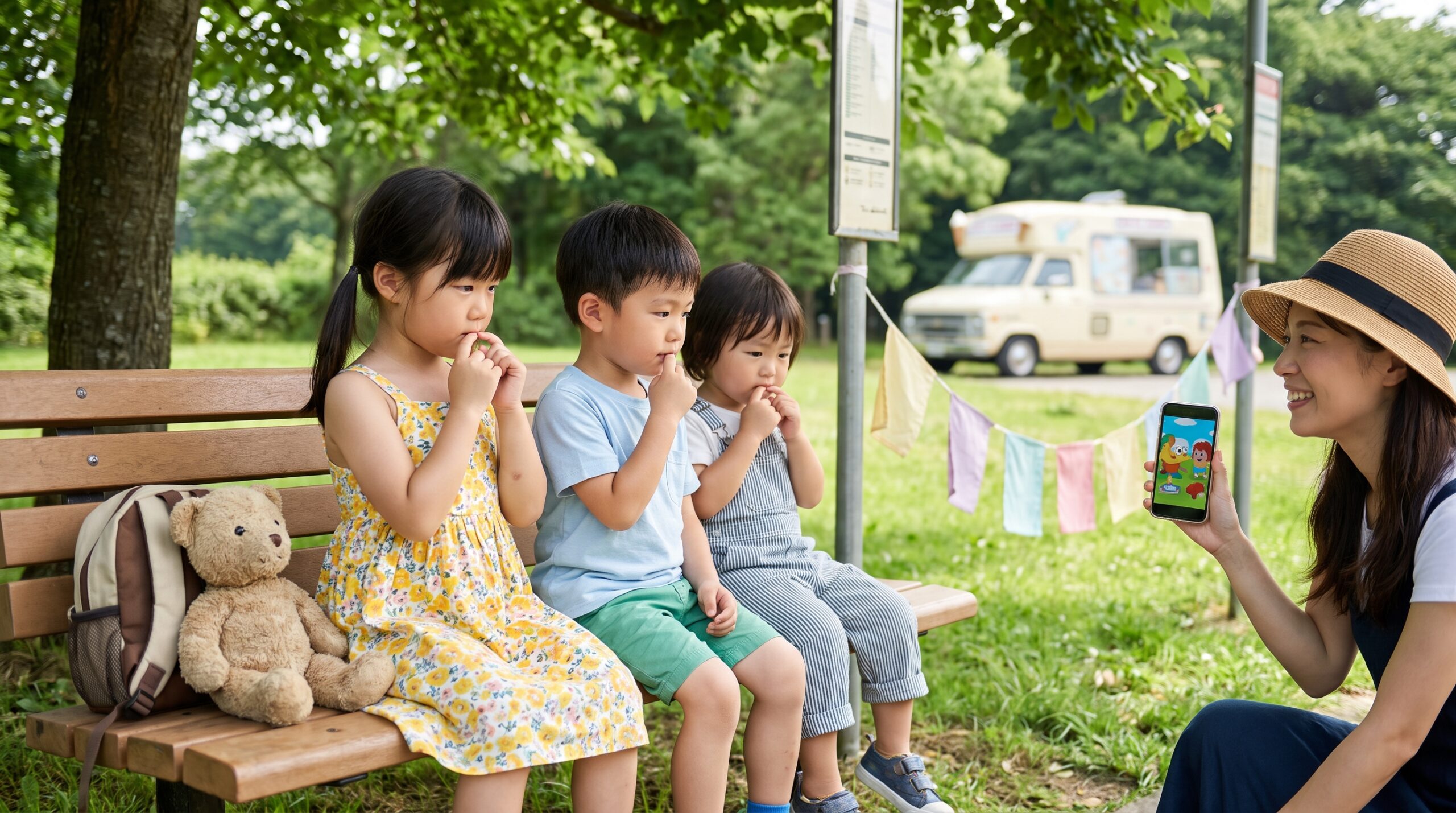
Teaching patience to kids starts with calm words and tiny practices. Now we name patience and notice how it shows up.
What is patience?
Patience means calm endurance. It comes from Latin patientia, from pati which means to endure. In modern use, patience is the ability to tolerate delay, trouble, or frustration with composure. Research indicates that patient individuals demonstrate more persistence, lower risk of burnout, better physical and mental health, and greater life satisfaction, emphasizing the long-term benefits of developing this skill in children according to a 2023 article.
Also, patience links closely to self-control. It grows as the brain’s prefrontal cortex matures. In fact, a study found that participants rated characteristics like ‘willing to wait’ and ‘not easily frustrated’ as key features of patience, with 89.3% labeling ‘willing to wait’ as definitive in a recent symposium study. Finally, it helps children manage emotions and stay focused.
Why patience matters for children
Patience supports emotion regulation, cooperation, and attention. Classic research tied waiting skills to later outcomes. Still, context matters. Trust and environment shape results as much as a single test. A 2026 study found that impatience arises when delays are perceived as unreasonable or unfair, highlighting the importance of situational factors in teaching patience according to recent research.
Small, steady practice builds dependable habits. Tiny wins feel glorious and stack into calm over weeks. For example, allowing just five additional minutes in online grocery delivery time has been shown to significantly reduce delivery mileage and CO₂ emissions, illustrating the practical benefits of patience in everyday situations according to a 2025 study.
How patience develops by age
Toddlers (1 to 3 years) have very limited tolerance for delay. Try a two breath pause before you hand a toy. Preschoolers (3 to 5 years) learn short waits with playful rules. School age children (6 to 12 years) understand plans and timers. A short three minute timer can focus their attention.
Simple, playful practices
Count slowly together. The soft whisper of numbers calms the body. Also try a visual timer or a glitter jar to watch time settle.
- Offer gentle choices: hold it now or set a one minute timer.
- Turn taking games: three passes then switch.
- Hum a tiny two line song while waiting.
- Keep a small fidget in a wait box for lines and cars.
These practices make teaching patience to kids feel doable. They fit real life and short waits.
Parenting with patience
Model calm and narrate it aloud. Say something like, “I am taking three breaths while the kettle boils.” Validate feelings. Say, “I know it is hard to wait.” Praise effort and strategies, not labels.
Start short and lengthen waits as success builds. Avoid shaming. Also do not use patience as an excuse for neglect.
Signs of progress and balance
Look for small signs of success. A child may choose a distraction or wait an extra thirty seconds. When a child asks to wait instead of grabbing, you are moving forward.
Still, patience is not obedience to unfairness. Teach assertiveness alongside waiting. When waiting becomes distressing, validate feelings and problem solve together.
A simple parent-tested tip
Keep a tiny pebble in your pocket. Press it when it is time to wait. The tactile pebble plus a soft count gives a steady anchor. It is small and surprisingly helpful.
Read or listen to a story about Patience now: For 3-5 year olds, For 6-8 year olds, For 8-10 year olds, and For 10-12 year olds. Also explore more Patience resources on Storypie.
Over weeks these small pauses stack into real calm. Parents often notice clearer play and smoother shared moments.