
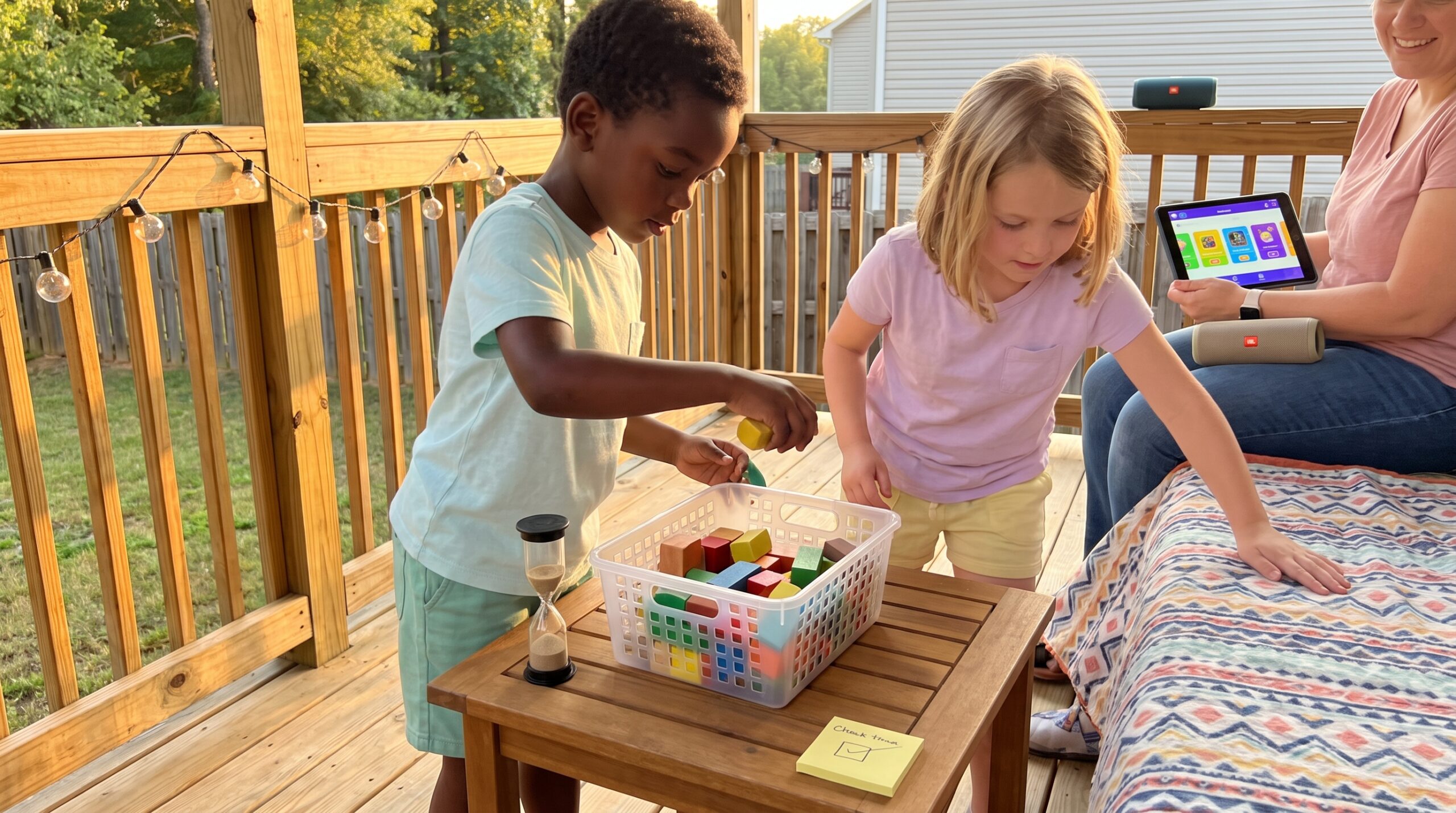
ಕಥೆ ಸಮಯದ ಮೊದಲು ಕೆಲಸಗಳನ್ನು ಮುಗಿಸುವುದು ನಿಮ್ಮ ಸಂಜೆ ದಿನಚರಿಯಲ್ಲಿ ಒಂದು ಸಣ್ಣ ಮಾಯೆಯನ್ನು ಸೃಷ್ಟಿಸುತ್ತದೆ. ಇದು ಮನಸ್ಸನ್ನು ತೆರವುಗೊಳಿಸುತ್ತದೆ ಮತ್ತು ಶಾಂತತೆಯನ್ನು ಸೂಚಿಸುತ್ತದೆ. ಪೋಷಕರು ಮತ್ತು ಶಿಕ್ಷಕರು ವ್ಯತ್ಯಾಸವನ್ನು ಶೀಘ್ರವೇ ಗಮನಿಸುತ್ತಾರೆ.
ಕಥೆ ಸಮಯದ ಮೊದಲು ಕೆಲಸಗಳನ್ನು ಮುಗಿಸುವುದು ಏಕೆ ಸಹಾಯ ಮಾಡುತ್ತದೆ
ಒಂದು ಪೂರ್ಣಗೊಂಡ ಕೆಲಸದಲ್ಲಿ ಶಕ್ತಿ ಇದೆ. ಮೊದಲನೆಯದಾಗಿ, ಕೆಲಸಗಳನ್ನು ಮುಗಿಸುವುದು ಮಾನಸಿಕ ಅಸ್ತವ್ಯಸ್ತತೆಯನ್ನು ಕಡಿಮೆ ಮಾಡುತ್ತದೆ. ವಾಸ್ತವವಾಗಿ, 21,655 ಏಕಕಾಲಿಕ ಕೆಲಸಗಳ ಡೇಟಾಸೆಟ್ನಲ್ಲಿ, 40.8% ಕೆಲಸಗಳು ಅವು ಸೃಷ್ಟಿಸಲಾದ ದಿನವೇ ಮುಗಿದವು ಎಂಬುದನ್ನು ತೋರಿಸುವ ಇತ್ತೀಚಿನ ಅಧ್ಯಯನವು, ಕಥೆ ಸಮಯದ ಮೊದಲು ಮಾನಸಿಕ ಅಸ್ತವ್ಯಸ್ತತೆಯನ್ನು ಕಡಿಮೆ ಮಾಡಲು ಸಮಯೋಚಿತ ಕೆಲಸದ ಪೂರ್ಣಗೊಳಿಸುವಿಕೆಯ ಮಹತ್ವವನ್ನು ಹೈಲೈಟ್ ಮಾಡುತ್ತದೆ (ಯಾಕೆ ಟು-ಡೂ ಪಟ್ಟಿಗಳು ವಿಫಲವಾಗುತ್ತವೆ). ನಂತರ, ಅವು ಮಲಗುವ ಸಮಯದ ವಿರೋಧವನ್ನು ಕಡಿಮೆ ಮಾಡುತ್ತವೆ. ಕೊನೆಗೆ, ಅವು ಮಕ್ಕಳಿಗೆ ಸಣ್ಣ ಪರಿಹಾರ ಮತ್ತು ಪ್ರೇರಣೆಯನ್ನು ನೀಡುತ್ತವೆ.
ಮಾನಸಿಕ ವಿಜ್ಞಾನ incomplete chores stick in the mind. Because of that, closing a task feels satisfying. Therefore, one five-minute win can change the tone of storytime. Research indicates that when tasks are assigned clear ownership and deadlines, the completion rate can rise significantly, similar to how structured routines can enhance children’s task completion (The Follow-Through Index).
What short finishing tasks look like
Keep the task brief and realistic. Five minutes is a great timebox. Match the action to your child’s age and skill level so it finishes without frustration.
- Toddlers and preschoolers: put books in a basket, hand over pajamas, or place one plate in the sink.
- Early school age: tidy three toys, set out tomorrow’s clothes, or fold a small towel.
- Older children: pack a school bag, choose a book for morning, or wipe a table surface.
Practical strategies that work
Use clear tricks that feel playful. For example, try a timer or sing a tidy-up song.
- Timebox: set a five minute timer so the task feels like a quick race.
- Do it together: teamwork speeds completion and models finishing.
- Make it a game: add songs, stickers, or a cheerful timer countdown.
- Visual cues: checklists and simple charts show progress at a glance.
- Reward and praise: a hug, a sticker, or a short extra tale helps habit formation.
Habit building and flexibility
Consistency helps habits stick. Use a clear cue such as the end of dinner to begin the task. Pair finishing tasks with a predictable reward like storytime.
Also, stay flexible. For neurodiverse children or very tired nights, focus on one small step. Do not use finishing tasks as punishment. Always pick supervised, age-appropriate chores. Research shows that organizations using structured task management tools report a 28% improvement in on-time delivery rates, which can be a valuable insight for creating effective routines for children (Task Management Statistics).
Try this tonight
Pick one five minute task. Then, set a timer and do it together. Notice how completing one small thing makes the next story calmer and richer.
A quick micro-anecdote: one evening a tired five year old and a parent raced a timer to pick up three toys. They finished laughing. After that, they listened to a story with calmer voices. It was a small, lovely reset.
Read or listen to a story about Finishing Tasks now: For 3-5 year olds, For 6-8 year olds, For 8-10 year olds, and For 10-12 year olds.
At Storypie we know summer evenings can feel busy. Try one tiny triumph tonight. You might be surprised how much brighter storytime feels.