
When I tell families about Emperor Meiji biography, eyes light up. I share one clear fact. Then I ask one question. Curiosity does the rest.
Who was Emperor Meiji?
Emperor Meiji was born Mutsuhito on November 3, 1852. He ascended to the throne on January 30, 1867, and reigned until July 29, 1912, a reign lasting approximately 45 years and 6 months. Meiji means enlightened rule. His long reign frames one of history’s fastest changes. Japan moved from feudal islands to a modern nation. It felt both shocking and full of promise. According to a 2024 article on Japanese emperors, Emperor Meiji’s reign is the second-longest in Japanese history, surpassed only by Emperor Shōwa (Hirohito) with 62 years.
Big changes during his reign
The Meiji Restoration of 1868, which returned political authority to the emperor and effectively ended over 260 years of Tokugawa shogunal rule, was formally declared in December 1868. Then leaders restored the emperor’s authority in name. They used that authority to push major reforms. For example, in 1871 the han or feudal domains became prefectures. This change helped the government run the whole country more evenly.
Practical reforms followed quickly. Land tax changes in the early 1870s gave the state steady revenue. A conscription law in 1873 created a modern national army. Also, the Haitorei edict of 1876 told most people they could not carry swords in public. That clear sign showed the samurai era was ending.
Life changed fast
Daily life shifted in visible ways. The government built Japan’s first modern railway in 1872 between Tokyo and Yokohama. Telegraph lines, a postal system, factories, and shipyards came next. The state hired foreign experts to speed learning. Schools appeared after the 1872 Education Order. Thus literacy and technical skill spread. Cities began to look very different as Western clothing and architecture arrived. Around the time of the Meiji Restoration, Japan’s population was approximately 33.30 million people, making the scale of modernization efforts even more significant according to population changes data.
At the same time, change caused hardship. The Satsuma Rebellion of 1877 showed how costly change could be. Saigō Takamori and other samurai resisted and lost. Famines, rural displacement, and tough factory labor affected many families. Remembering both the gains and the costs helps kids see history as human.
Laws, diplomacy, and the world stage
The Charter Oath of 1868 set broad goals. Then the Meiji Constitution of 1889 created the Imperial Diet in 1890. Japan began to act like a modern state on the world stage. Victories in the Sino-Japanese War and the Russo-Japanese War showed new military strength. Treaties such as the Treaty of Shimonoseki and the Treaty of Portsmouth raised Japan’s standing.
His birthday, November 3, is now Culture Day in Japan. It is a neat night to read, ask one question, and notice how the past shapes the present. What a neat night to wonder together!
A small family moment
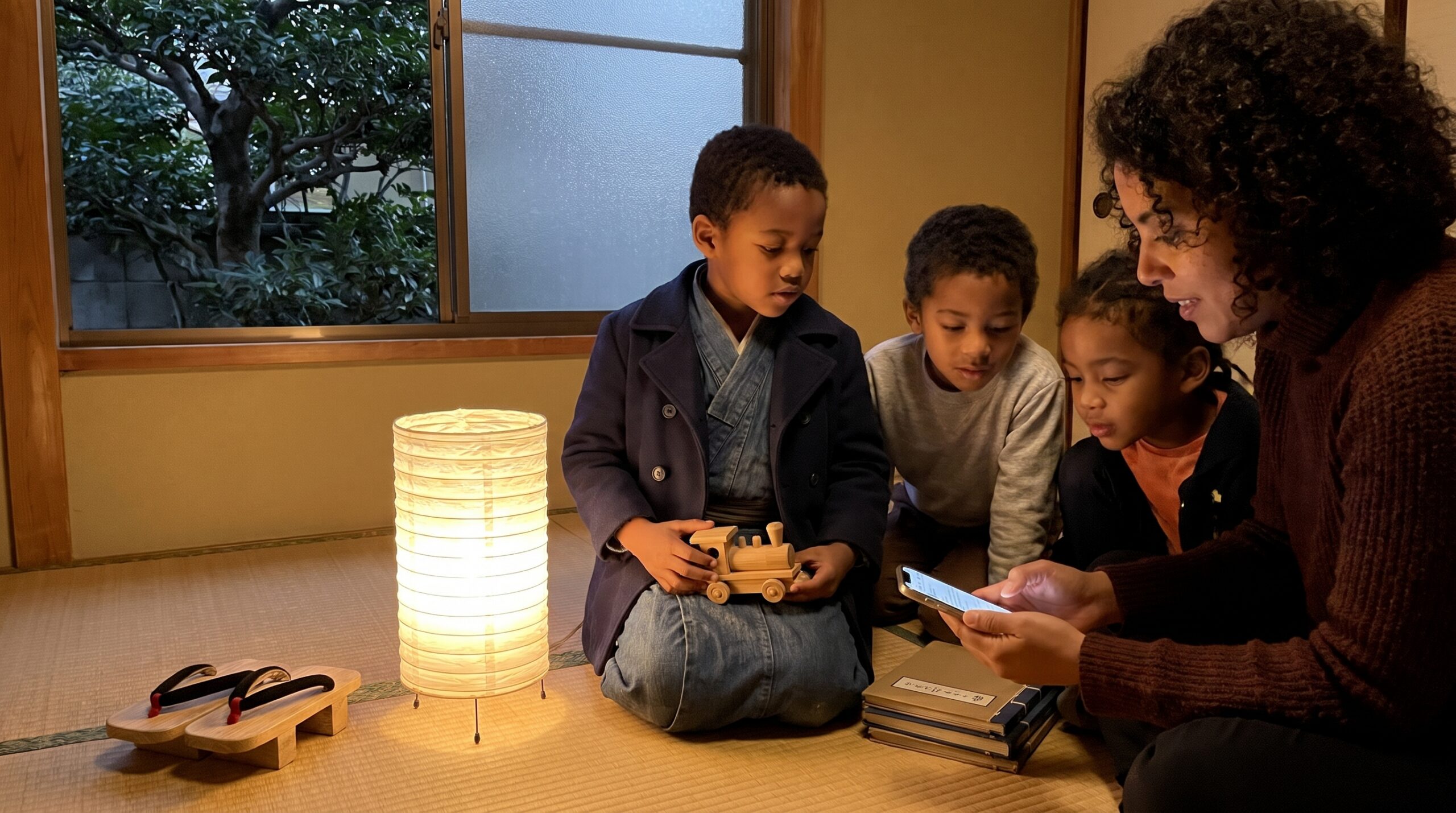
Try a tiny, simple ritual. Light a small lamp. Then say you will tell one neat surprise from Emperor Meiji. Ask, What surprised you? Keep sentences short. Let your child draw one image. Record a quick reading on your phone if you like. Save it in your family folder. Small acts can feel surprisingly powerful.
Read or listen to a story about Emperor Meiji now: For 3-5 year olds, For 3-5 year olds, For 6-8 year olds, For 8-10 year olds, and For 10-12 year olds.
For more family-friendly biographies and readings, visit Storypie.