
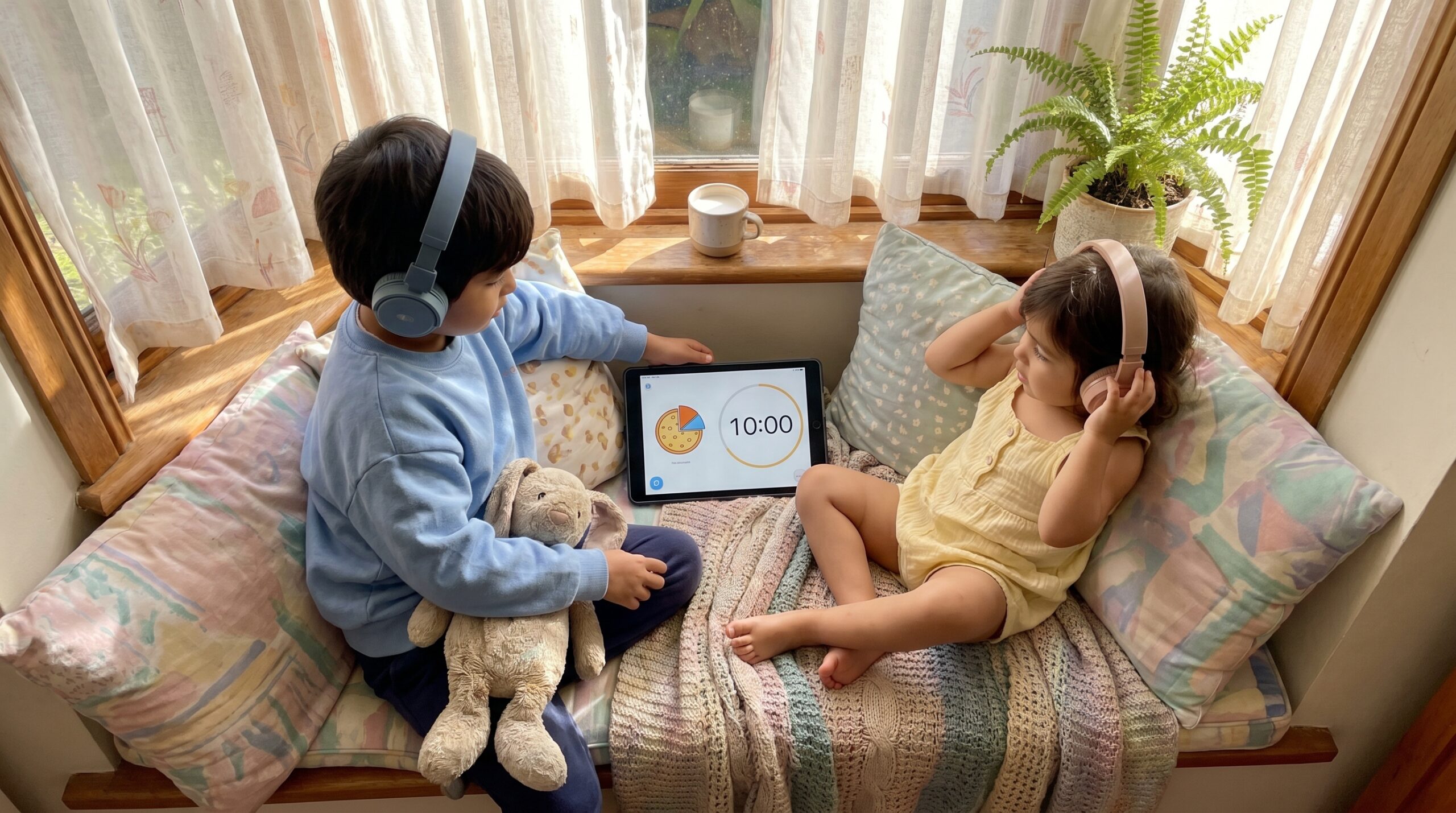
Resting for kids is not the same as sleep. Rest means quiet wakefulness. It lowers stimulation, slows thinking, and lets body and mind step out of high gear without a full sleep cycle.
Why resting for kids matters
Short pauses restore attention and steady emotions. Also, they help a child calm down and learn again.
Regular rests help children regulate feelings, recover after play, and consolidate learning. They lower heart rate and reduce cortisol. As a result, the nervous system shifts toward repair and digestion. Interestingly, the CDC reported in 2024 that 30.5% of U.S. adults are getting less than 7 hours of sleep on average, highlighting the importance of effective resting strategies for both adults and children.
How resting works in the body
In restful moments, the body reduces sympathetic arousal. Heart rate eases, breathing slows, and focus can rebuild. Attention Restoration Theory explains why low-demand settings restore concentration. The American Heart Association states that a normal resting heart rate for adults is between 60–100 beats per minute (bpm), and a resting rate above 100 bpm is considered tachycardia. This context can help us understand the physiological benefits of resting for children.
Therefore, a five to twenty minute break often makes the next task easier. Practically, short rests serve as tiny recharge stations for brain and body.
Types of rest that work for children
Resting for kids comes in many gentle forms. Try different kinds and see what fits your child.
- Quiet wakeful time in a cozy corner
- Short naps (age-appropriate)
- Microbreaks between tasks (5 to 15 minutes)
- Sensory rest: soft textures and low noise
- Guided relaxation or calm narrated audio
- Listening to a low-volume, slow-paced story
Age-friendly timings
Infants nap frequently and follow safe-sleep rules. Toddlers do well with a 10 to 20 minute nap or a predictable quiet window.
Preschoolers like a calm pause after active play. School-age children benefit from mid-morning or mid-afternoon microbreaks. Teenagers may need longer rests, though naps over 30 minutes can cause sleep inertia. Notably, a Sleep Foundation survey found that 80.7% of U.S. adults reported taking at least one nap of 10 minutes or more in the past three months, suggesting that napping is a beneficial practice across all ages, including children.
Signs a child needs rest
Look for rubbing eyes, yawning, sudden irritability, or bursts of wild energy. These are common signals of tiredness. If a calm pause helps, you found the need.
Also watch for trouble focusing or repeated meltdowns. Distinguish tiredness from normal exuberance by offering a brief rest and noting the result.
Set up a cozy rest corner
Choose gentle textures like linen and felt. Add a low chair or floor cushion and a small lamp with soft light.
Keep a shelf curated with eight to twelve items, face-out. Place one hero pick at eye level. Add a tiny ritual so the pause feels inviting and predictable. For example, ring a soft bell or say a two-minute welcome phrase.
Minimal clutter, a neutral palette, and a small sensory object help the space whisper, not shout.
Simple activities that count as rest
Here are quiet activities that replenish attention:
- Short narrated audio stories with calm pacing
- Quiet drawing with only three colors
- Looking out the window and naming one thing
- Guided breathing or gentle stretching
- Slow puzzles that do not demand speed
Tip: offer a 10-minute quiet Storypie episode in a cozy corner to help children recharge.
Read or listen to a story about Resting now: For 3-5 year olds, For 6-8 year olds, For 8-10 year olds, and For 10-12 year olds.
Safety and final thoughts
Infants must always follow safe-sleep guidance. Do not leave very young children unattended on sofas.
If rest or sleep problems persist, check with your pediatrician. Small, regular pauses are simple and generous. The coziest five minutes can make everything that follows easier. Additionally, the resting metabolic rate commonly accounts for roughly 60–70% of total 24-hour energy expenditure, underlining the importance of resting in energy management, which is crucial for children’s growth and learning.
Find calm Storypie episodes and ideas at Storypie.