
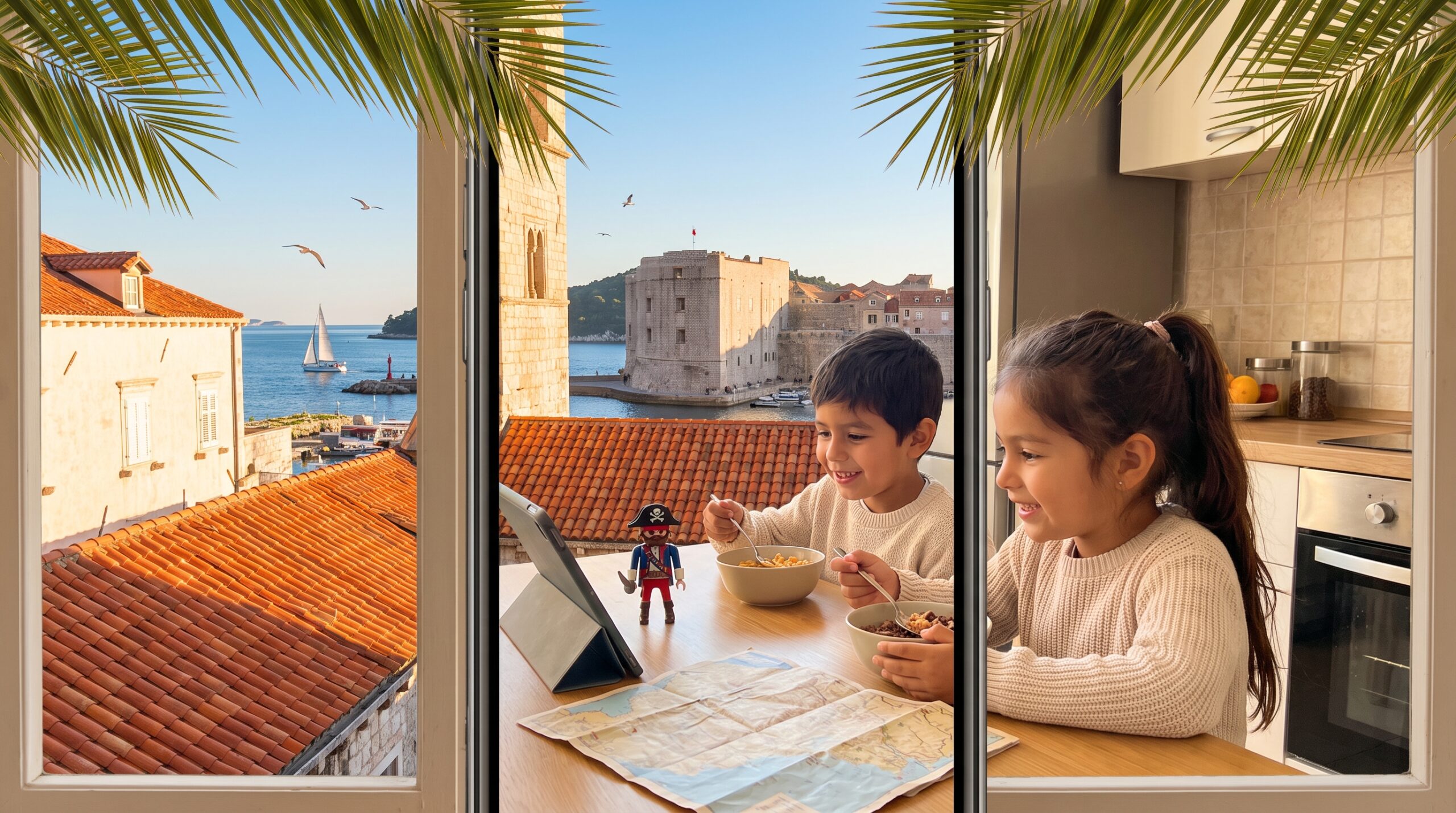
Start a sunny family morning with a Storypie tale. St. Augustine Florida with kids feels like a treasure chest. Founded in 1565, the city is the oldest continuously occupied European settlement on the U.S. mainland. As of July 1, 2025, St. Augustine’s population was estimated at 16,141, marking a 12.7% increase from the 2020 Census count of 14,329. Streets curve, forts watch the bay, and little hands can touch coquina stone.
Read or listen
Read or listen to a story about St. Augustine, Florida now: For 3-5 year olds, For 6-8 year olds, For 8-10 year olds, and For 10-12 year olds.
St. Augustine Florida with kids: top family picks
Bring curiosity and comfy shoes. Below are kid-tested favorites that feel like storybook moments.
Historic moment
Walk the Castillo de San Marcos in the cool morning. The fortress dates to the 1670s. It uses local coquina shellstone that absorbs impact. Nearby Fort Matanzas guards the river. At the Colonial Quarter, children meet living-history interpreters. Rangers give short talks and fun demonstrations. History becomes tactile and oddly delightful.
Beach and park
Head to St. Augustine Beach or Anastasia State Park for midday calm. Shelling and shallow water make both spots child-friendly. Short nature trails and boardwalks are stroller friendly. Pack a picnic and a shade umbrella. Bring sunscreen and refillable water for a relaxed pause.
Museums and quirky stops
Visit the Lightner Museum for glittering rooms and tiled halls. The Pirate and Treasure Museum offers hands-on fun for pirate-curious kids. The St. Augustine Alligator Farm shows native reptiles and exotic species. At the Lighthouse Historic Site, older children can climb for a grand view. The Fountain of Youth Park blends legend, archaeology, and Timucua history. It’s worth noting that tourism generates approximately $3.8 billion in annual economic impact and supports more than 32,000 jobs county-wide in St. Johns County, with the city’s downtown visitor center seeing about 650,000 visitors annually.
Ride and rest
Take an Old Town Trolley or a short river cruise when little legs tire. Trolleys free you to hop on and off. Boat tours reveal waterways and often dolphins glide nearby. These gentle pauses let families learn without hurry.
Evening joys
Visit Nights of Lights for millions of tiny lights in the historic district. Festivals bring music, colorful costumes, and lively streets. These nights feel like storybook pages come alive. They are utterly charming and wonderfully kid-friendly.
Practical parent tips
Plan historic visits for the cooler mornings. Do beach time when it is warmest. Parking is easier on weekday mornings. Expect crowds on weekends and during festivals. Many historic sites have uneven pavement or steps. A small stroller works in most places, but a baby carrier can be handier.
- Essentials: sunscreen, water bottle, hat, comfy shoes.
- Bring a stroller or carrier and a light jacket for breezy evenings.
- Share one small discovery at dinner to make the day stick.
Why St. Augustine Florida with kids works
The city pairs clear story hooks with hands-on learning. Forts, pirates, and Gilded Age mansions give short, snackable tales. Start the day with a Storypie tale, step into a fortress, and end with a tiny discovery. These are the moments children remember and retell at dinner. It’s also interesting to note that between 2018 and 2023, the share of remote workers in St. Johns County, which includes St. Augustine, increased from about 8.6% to nearly 24%, indicating a shift that may appeal to families considering relocation or remote work options.
For more Storypie places and tales, explore St. Augustine stories on Storypie. Also visit Storypie to find more short morning tales for family trips.
Simple checklist: sunscreen, water bottle, hat, comfy shoes, stroller or carrier, and a plan for shade. Make the day into a story your child can tell. St. Augustine is utterly lovable, full of tiny surprises and salty sea air. The city’s median household income is $78,151, and 44.6% of residents aged 25 and over hold a bachelor’s degree or higher, providing insight into the community’s education level, which is important for families evaluating the area. Additionally, residents aged 65 and over comprise 27.4% of the city’s population, while only 8.4% are under 18 years old, offering a glimpse into the community’s age distribution and its implications for family activities and services.